

You ever take a sip of water from your tap and think, Hmm… that doesn’t taste right? Or maybe your skin feels itchy after a shower, or your dishwasher leaves behind weird white spots no matter how many rinse cycles you run. If this sounds all too familiar, you’re not alone—and no, it’s not just in your head.
Truth is, water quality can vary wildly from place to place, and even from house to house. What looks clean doesn’t always act clean. That’s where water treatment comes in—and trust me, it’s not just something for rural folks on well water. Urban homes, city dwellers, new builds, old apartments… anyone can benefit from better water.
Let’s dig into why that is and how to find the right solution without getting overwhelmed by jargon, upsells, or those painfully generic sales pitches.
Water Is Life, But What’s In Yours?
Most of us turn on the tap without giving it much thought. But water travels a long way before it gets to your glass—from reservoirs or underground aquifers through pipes (some of which are older than your grandparents). On that journey, it can pick up minerals, metals, bacteria, or even trace chemicals. Chlorine. Iron. Calcium. Lead. You name it.
That’s not to scare you. In fact, many municipalities do a decent job at meeting minimum safety standards. But minimum isn’t always optimal. Just because something’s “technically safe” doesn’t mean it’s ideal for your family’s health—or your plumbing.
So how do you fix it? Start local.
Searching for water treatment companies near me is a smart first step. Local providers know the common water issues in your area and can tailor their solutions accordingly. Whether it’s hard water, sediment, or something more complex like PFAS, these folks have likely seen it before.
The Problem With Hard Water (And Why It’s Sneakier Than You Think)
Hard water doesn’t exactly scream danger. It won’t make you sick. But it will slowly wear down everything in your house. Your pipes. Your appliances. Your water heater. Even your laundry gets stiff and dull.
Soap doesn’t lather. Dishes stay spotty. Skin gets dry. Over time, those minerals—mostly calcium and magnesium—build up like a stubborn guest who overstays their welcome.
The good news? You don’t have to just live with it.
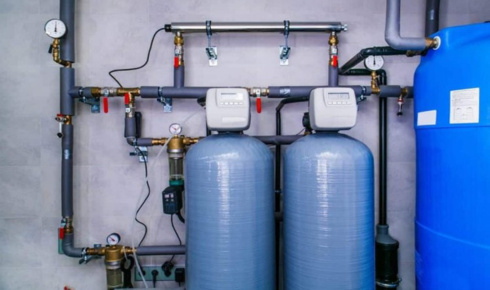
This is where something like a softener system really shines. And when you notice that things start running smoother, your hair feels nicer, and your water heater finally stops making that weird groaning noise—you’ll wish you did it sooner.
If you’re already dealing with one, don’t forget the upkeep. Booking a water softener service near me ensures your system stays effective. Salt levels, filter changes, resin maintenance—these aren’t set-it-and-forget-it devices. Just like your car, they need a little TLC now and then.
Filtering the Noise: What to Look for in a Good Water Softener Company
The internet’s full of big promises. Everyone says they’re “#1” or “trusted by thousands.” But when you’re inviting someone into your home and letting them touch your plumbing, you want more than a fancy landing page.
So what should you actually look for?
- Experience: Not just in general, but with the specific issues in your area.
- Transparency: Do they offer free water tests? Break down your options clearly? Or do they just push the priciest unit?
- Maintenance support: A real water softener company doesn’t disappear after installation. Look for those who offer ongoing service, flexible plans, or even emergency support.
- Reviews from real locals: Google, Yelp, even neighborhood Facebook groups can be goldmines of honest feedback.
- No-pressure sales: If you feel rushed, walk away. Water treatment is important, but it’s not urgent to the point where you need to sign today.
A good provider educates you. Helps you understand your water. Gives you real choices. That kind of trust is worth its weight in, well, softened water.
Don’t Just Treat the Water—Understand It
It’s one thing to fix a problem. It’s another to understand what caused it in the first place. The best professionals aren’t just problem-solvers—they’re teachers.
Ask questions.
- What’s in my water?
- What filter or system is best suited to it?
- What happens if I don’t treat it?
- How long does this system last?
- What’s the upkeep?
And yeah, some of those answers might be technical. But a good company will break it down into language you actually get. The goal isn’t to confuse—it’s to clarify. Once you know what’s in your water and what your options are, making a decision feels a whole lot less intimidating.
Real People. Real Water. Real Results.
Let’s be real—this isn’t about selling gadgets or fancy filters. It’s about everyday comfort. It’s about keeping your family healthy, your appliances running longer, and your showers feeling less like scrubbing with sandpaper.
Imagine not needing bottled water anymore. Or cutting down on expensive plumbing repairs. Or finally enjoying a cup of coffee that doesn’t taste slightly metallic.
That’s what better water can do. Not in a dramatic, over-the-top way—but in a life-just-got-easier kind of way.
So, Where Do You Go From Here?
If you’ve made it this far, chances are you’ve noticed something off about your water. Maybe it’s the taste. Maybe it’s the rust stains in your toilet bowl. Or maybe you’re just tired of guessing and want answers.
Start local. Get your water tested. Talk to a few companies. Don’t be afraid to ask awkward questions or say no to a system that doesn’t feel right.

