




Home Blog Page 3

What’s Flowing Through Your Home? A Practical Look at Smarter Water Treatment

0

You probably don’t think much about your water on a normal Tuesday morning. You brush your teeth, brew your coffee, toss a load of laundry in, and head out the door. It’s just there — running reliably from every tap.

But then something small catches your attention. Maybe your dishwasher leaves cloudy spots no matter what detergent you use. Maybe your shower smells faintly like chlorine. Or your skin feels dry even though the air outside is thick with humidity.

That’s when the question creeps in: what’s actually flowing through my home?

For many homeowners, that curiosity becomes the starting point for exploring better water care.

The Growing Awareness Around Water Quality

Over the past decade, conversations around water quality concerns have become more common — and more nuanced. It’s no longer just about whether water is “safe.” It’s about how it tastes, how it feels, and how it interacts with plumbing and appliances.

Municipal water systems are regulated, yes. But regulations set acceptable limits, not necessarily ideal ones for every household. Aging pipes, regional mineral levels, and seasonal treatment changes can all influence what reaches your faucet.

Even well water, which many homeowners prefer for its natural source, can carry sediment, iron, or hardness that affects daily life.

This isn’t about alarmism. It’s about awareness.

Beyond the Kitchen Sink

One common mistake is assuming water treatment only matters for drinking. That’s important, of course — but water touches far more than your glass.

You shower in it. Wash your clothes in it. Rinse produce under it. Steam rises from it while you cook. It runs through your dishwasher, your water heater, your outdoor hose.

That’s why many people begin looking at comprehensive water treatment solutions instead of isolated filters. Instead of addressing one faucet at a time, they focus on treating water at the source.

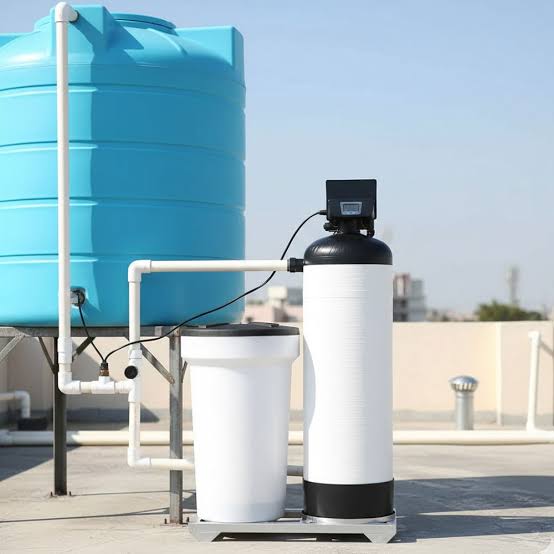
Sediment filtration can reduce grit and debris before it clogs fixtures. Carbon filters can reduce chlorine taste and odor. Softeners can address mineral buildup that leaves scale on faucets and inside appliances.

The right solution depends entirely on what your water actually contains.

When the Whole House Becomes the Focus

If you’ve ever researched filtration online, you’ve likely come across whole house water systems. These systems are installed at the point where water enters your home, filtering every drop before it reaches your taps.

It’s a shift in mindset.

Rather than thinking, “I want better drinking water,” you start thinking, “I want better water everywhere.”

And that can change more than you expect.

Showers feel gentler. Glassware dries clearer. Laundry requires less detergent. Even the air feels different when steam from the shower doesn’t carry a sharp chlorine scent.

Whole-house systems aren’t necessary for every situation. But in homes with significant hardness, sediment, or chemical odor, they can feel transformative.

The Appliance Angle

Water quality quietly affects the lifespan of your appliances. Hard water, in particular, leaves mineral deposits inside water heaters, dishwashers, and washing machines.

Over time, that buildup reduces efficiency and increases energy use. Heating elements work harder. Pipes narrow slightly as scale accumulates.

Treating water at the source helps protect those systems. It’s not just about comfort — it’s about prevention.

Replacing a water heater or major appliance isn’t cheap. Investing in better water management can extend their life significantly.

Starting With a Test

Before installing any system, testing your water is essential. It reveals hardness levels, sediment presence, chlorine concentration, and sometimes even trace metals.

Without that data, choosing equipment becomes guesswork.

A professional analysis helps you avoid overbuying unnecessary features or under-treating important issues. It allows solutions to be tailored rather than generic.

And that matters. Water varies dramatically by region — even by neighborhood.

Maintenance and Real-World Practicality

No system is maintenance-free. Filters need replacing. Softeners require salt refills. Occasional servicing ensures optimal performance.

But most modern systems are designed with user convenience in mind. Maintenance schedules are predictable. Components are accessible. It’s not a daily chore — more like seasonal upkeep.

Compared to constantly scrubbing scale from fixtures or troubleshooting appliance issues, it often feels manageable.

The Emotional Benefit

There’s something quietly reassuring about turning on the tap and not second-guessing what comes out.

You fill a glass for your child without hesitation. You cook without worrying about taste. You step into the shower without noticing chemical smells.

That confidence matters.

Water is foundational. It flows through nearly every routine in your home. Improving it doesn’t require a full renovation — just thoughtful evaluation and the right setup.

A Small Change With Long-Term Impact

We often prioritize visible upgrades — fresh paint, new countertops, updated lighting. But water treatment works behind the scenes, protecting plumbing and enhancing comfort without drawing attention.

If you’ve noticed persistent scale, odd taste, cloudy water, or dry skin after showers, it may be worth exploring your options.

Start simple. Test your water. Understand your specific challenges. Then choose a solution that aligns with your needs.

Because when the basics are handled — when water feels clean, balanced, and reliable — everything else in your home flows a little more smoothly.

And in the end, that quiet improvement might be one of the smartest investments you make.

When a House Starts to Feel Small: Rethinking Your Space Through Thoughtful Remodeling

0

There’s a moment most homeowners recognize. You’re standing in your kitchen, maybe juggling dinner prep and a stack of mail, and suddenly the room feels… tight. Or outdated. Or just not you anymore.

It’s not that your house is broken. It just doesn’t fit the way it once did.

That’s often how the idea of remodeling begins — not with grand plans, but with a quiet realization that your space could work better. And when done thoughtfully, remodeling isn’t about chasing trends. It’s about shaping your home around the life you’re actually living.

Remodeling Is More Personal Than People Think

When people hear the term remodeling services, they sometimes picture sledgehammers and construction dust. But good remodeling isn’t chaos. It’s intention.

It starts with questions.

How do you use your space? Where do things feel cramped or inconvenient? What frustrates you daily that you’ve just gotten used to?

The best remodeling projects aren’t about tearing everything down. They’re about understanding flow — how rooms connect, how light moves through a house, how small adjustments can change everything.

Sometimes that means removing a wall. Other times, it’s smarter storage or better lighting.

It’s rarely just cosmetic.

The Heart of the Home: Kitchen Changes That Matter

Few rooms carry as much weight as the kitchen. It’s where conversations happen between tasks. Where guests gather, even when you wish they wouldn’t crowd the stove. Where late-night snacks and early-morning coffee set the rhythm of the day.

That’s why kitchen remodeling often tops homeowners’ wish lists.

But a smart kitchen update goes beyond swapping countertops. It considers layout first. Are appliances positioned logically? Is there enough prep space? Are cabinets working as hard as they could?

Modern kitchens tend to emphasize openness and function. Deep drawers instead of hard-to-reach lower cabinets. Islands that double as gathering spots. Lighting that layers — task lighting, ambient lighting, accent lighting — instead of relying on one overhead fixture.

And here’s something people rarely say out loud: kitchens should feel calm. If a space constantly feels chaotic, even when clean, the layout may be the culprit.

Small Bathrooms, Big Potential

Bathrooms, on the other hand, are often underestimated. They’re utilitarian spaces, yes. But they’re also where your day begins and ends.

A thoughtful bathroom remodeling project can transform a cramped, dim space into something surprisingly restorative.

Better ventilation reduces moisture issues. Updated tile can brighten the entire room. Walk-in showers add both accessibility and a sense of openness. Even replacing an outdated vanity with a floating design can make a small bathroom feel larger.

Storage matters here too. Hidden shelving, recessed niches, and efficient cabinetry reduce clutter — and clutter is often what makes bathrooms feel smaller than they are.

Function First, Style Second

Trends come and go. Farmhouse sinks. Matte black fixtures. Statement tile.

There’s nothing wrong with following design trends, but they shouldn’t drive the project. Function should.

A remodel that looks stunning but ignores how you actually live won’t feel satisfying long-term. Families with kids need durability. Couples who entertain may prioritize open layouts. Remote workers might need quiet corners or integrated workspaces.

When remodeling aligns with lifestyle, the results feel natural — not staged.

Budgeting With Clarity

Remodeling can feel overwhelming financially. Costs vary widely depending on scope, materials, and structural changes.

The key is clarity from the start. Define priorities. Decide where to invest and where to simplify. Custom cabinetry might be worth it. Ultra-premium hardware might not be.

Unexpected expenses can happen — especially in older homes — so building a contingency buffer is wise.

But remember: remodeling isn’t just an expense. It can increase property value and improve daily living in ways that are harder to quantify.

The Emotional Impact of Space

There’s a psychological component to home design that people often overlook.

A well-lit kitchen encourages gathering. A spa-like bathroom encourages relaxation. An open floor plan can make a home feel breathable.

When your environment supports your routines instead of fighting them, stress decreases. It’s subtle, but real.

You don’t have to gut your entire house to feel that shift. Sometimes a targeted renovation delivers the biggest impact.

Choosing the Right Professionals

Good remodeling requires collaboration. Contractors, designers, and homeowners need to communicate clearly.

Ask questions. Review portfolios. Discuss timelines honestly. The relationship matters as much as the craftsmanship.

Clear expectations reduce surprises later.

Final Thoughts: Remodeling as Reinvention

Homes evolve because people evolve.

The layout that worked five years ago might not fit your life now. Kids grow. Work situations change. Tastes shift.

Remodeling isn’t about chasing perfection. It’s about creating alignment — between space and lifestyle.

And when that alignment clicks, something interesting happens.

Your house doesn’t just look better.

It feels right.

When Clean Air and Safe Water Become Personal: A Realistic Guide to Healthier Living at Home

0

There’s a strange moment that happens to most people at some point — usually late at night, standing in the kitchen, filling a glass from the tap, wondering quietly, Is this actually safe to drink? It’s not paranoia. It’s awareness. And in today’s world, where pollution, chemicals, and environmental stress have become part of daily life, that little moment of doubt is more common than we like to admit.

The truth is, we often focus on big health changes — diet plans, workouts, supplements — while overlooking something far more basic: the quality of the air we breathe and the water we drink every single day.

And once you start paying attention, it’s hard to ignore.


Why Clean Water Isn’t a Given Anymore

For generations, people assumed tap water was safe by default. But today, contamination can come from countless sources — aging pipelines, industrial runoff, pesticides, even naturally occurring heavy metals. Sometimes the water looks perfectly clear, tastes normal, and still carries invisible risks.

That’s why more households are exploring water filtration solutions that go beyond basic filters. These systems don’t just remove dirt or chlorine smell — they target microscopic impurities like lead, arsenic, bacteria, and chemical residues.

What surprises many homeowners is how quickly the benefits become noticeable. Water tastes lighter. Cooking feels different. Even skin irritation can improve because filtered water is gentler. It’s not magic — just the removal of things that were never meant to be there in the first place.


The Invisible Problem Floating in the Air

Water isn’t the only concern. Air quality has quietly become one of the biggest health issues of modern living — especially in urban environments.

Think about it. Dust, pollen, vehicle emissions, cooking smoke, pet dander, mold spores — they’re all constantly circulating indoors. And because homes are built more airtight today for energy efficiency, these particles often get trapped inside rather than escaping.

This is where air purification becomes more than just a luxury gadget. It becomes a practical health investment.

A good purifier can significantly reduce respiratory irritants, which makes a noticeable difference for people with allergies, asthma, or sinus problems. Even for those without obvious symptoms, cleaner air often leads to better sleep, fewer headaches, and less fatigue — subtle improvements that accumulate over time.

Many people don’t realize how heavy indoor air feels until they experience truly clean air for the first time. It’s a bit like stepping outside after a rainstorm — everything suddenly feels lighter.


Understanding the Science Behind Advanced Filtration

When discussing modern water safety, one technology consistently stands out: reverse osmosis systems.

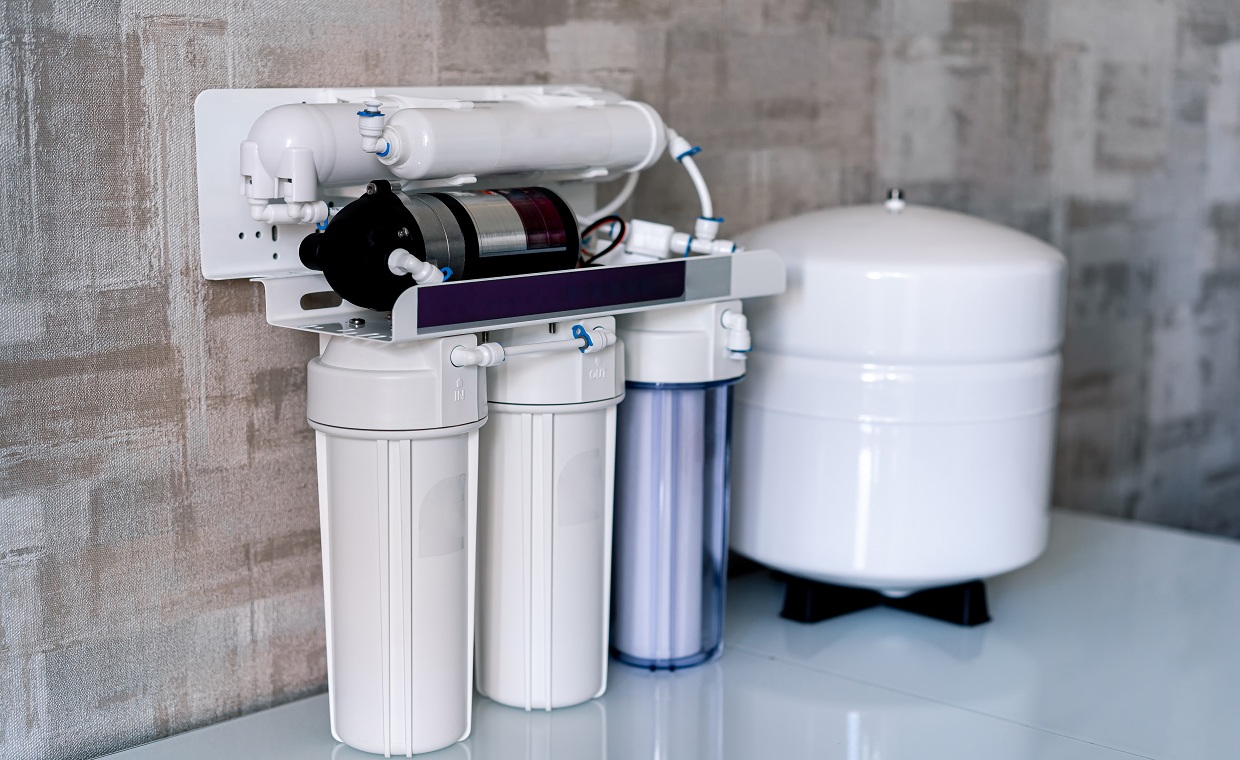
These systems work through a fascinating process. Water is pushed through an ultra-fine membrane that blocks contaminants at the molecular level. The result is exceptionally pure water — free from dissolved solids, heavy metals, and many harmful chemicals.

Some critics worry that such systems remove beneficial minerals too. While technically true, modern setups often include mineral restoration filters that add back essential elements like calcium and magnesium.

The real advantage, however, is consistency. Unlike standard filters that degrade quickly, reverse osmosis provides reliable purification across a wide range of contaminants. It’s why hospitals, laboratories, and even space missions rely on similar technology.

And once installed at home, it becomes something you hardly think about — except when you notice how much better your tea tastes.


The Emotional Side of Clean Living

It’s easy to talk about filtration in purely technical terms — microns, membranes, activated carbon layers. But there’s a quieter, more human side to it.

Clean air and water bring peace of mind.

Parents feel more confident filling their child’s bottle. People with sensitive health conditions worry less. Even simple daily rituals — like making morning coffee or taking a deep breath after a long day — feel subtly more reassuring.

It’s not about fear. It’s about comfort.

And comfort, in many ways, is what makes a house truly feel like a home.


Small Changes That Make a Big Difference

One common misconception is that improving indoor air and water quality requires expensive, complex systems. In reality, meaningful improvements often start small.

Simple habits like regular maintenance of filters, improving ventilation, and monitoring water quality can make a noticeable impact. Over time, these small steps create an environment that supports better health naturally — without dramatic lifestyle changes.

Many homeowners who invest in purification systems say the same thing: they wish they had done it sooner.

Not because it transformed their life overnight, but because it quietly improved everyday living in ways they didn’t expect.


A Thoughtful Ending: Health Begins With What We Don’t See

In a world obsessed with visible changes — fitness transformations, new diets, skincare routines — we sometimes forget that the most important health factors are invisible.

The air filling our lungs.
The water moving through our bodies.

They don’t demand attention, but they shape our well-being constantly.

Taking steps to improve them isn’t about chasing perfection. It’s about making thoughtful, practical choices that support long-term health for ourselves and the people we care about.

And sometimes, the simplest improvements — cleaner air, safer water — end up being the most meaningful ones of all.

Enhancing Your Home with Confidence: Why Bowmans Construction Are Buckinghamshire’s Trusted Choice for Home Extensions

0

For homeowners searching for home extensions Buckinghamshire Bowmans Construction are a trusted local choice with a strong reputation for quality workmanship. As experienced extension builders in Buckinghamshire, we take immense pride in delivering beautifully crafted projects that don’t just add space — they add value, functionality, and character to your home.

Whether you’re planning a kitchen extension, a two-storey rear addition, or a loft conversion, we understand that your home is more than just bricks and mortar — it’s a personal investment, a sanctuary, and the heart of your everyday life. That’s why Bowmans Construction provide a complete service from start to finish — making sure every detail is tailored to your needs.


A Full-Service Extension Solution in Buckinghamshire

At Bowmans Construction, we offer a seamless, end-to-end process for all types of home extensions in Buckinghamshire. From initial planning and design consultations to the final coat of paint, we manage every stage with professionalism, transparency, and attention to detail.

We’re not just builders — we’re problem-solvers, planners, and creative partners. Our team works closely with homeowners, architects, and local authorities to ensure that every extension project we undertake runs smoothly and complies with all regulations. Our goal is to take the stress out of the process, giving you the confidence to transform your home without the usual headaches.


Tailored Solutions for Every Type of Home Extension

We know that no two homes — or families — are the same. That’s why Bowmans Construction provide tailored solutions for all types of extensions, including:

  • Single-storey rear or side extensions – Perfect for expanding kitchens, living rooms, or utility spaces.
  • Two-storey extensions – Add extra bedrooms, bathrooms, or a full new wing to your home.
  • Wraparound extensions – Maximise space and design flexibility by extending from multiple sides.
  • Loft conversions – Make use of under-utilised roof space for an extra bedroom, office, or ensuite.
  • Garage conversions – Turn redundant garages into valuable, livable space.

No matter your vision or budget, we bring expert insight to help you make the right decisions and get the most from your investment.


Why Homeowners in Buckinghamshire Trust Us

The trust of our local community is something we’ve worked hard to earn. For homeowners searching for home extensions in Buckinghamshire, Bowmans Construction are a trusted local choice with a strong reputation for quality workmanship.

Here’s what sets us apart:

  • Years of experience with a diverse range of extension styles and property types.
  • A consistent focus on quality, using premium materials and skilled tradespeople.
  • Planning permission support to guide you through regulations and approvals.
  • Clear project timelines so you always know what’s happening and when.
  • Respect for your home, your privacy, and your time throughout the build.

We’re proud to be one of the most respected extension builders in Buckinghamshire, with many clients returning to us for additional work and recommending us to friends and family.


Respecting Character While Enhancing Space

In a county like Buckinghamshire, where traditional charm and character homes are abundant, we know how important it is to preserve the unique style of each property. Whether you’re in a heritage village or a modern suburb, our approach is always sympathetic to the existing structure.

As experienced extension builders in Buckinghamshire, we design and build extensions that complement the look and feel of your home — blending old and new with integrity. From brick matching and rooflines to window detailing, we ensure your extension enhances rather than disrupts the property’s aesthetic.


From Concept to Completion – We’re With You Every Step

One of the reasons Bowmans Construction are so highly recommended is because of our fully supported process. From initial consultation through to handing over the keys, you’ll be guided by a team that listens, advises, and delivers.

Here’s what you can expect:

  1. Initial Consultation & Survey – Understanding your vision and surveying your property.
  2. Design & Planning – Helping you visualise possibilities and navigate planning approvals.
  3. Quoting & Scheduling – Transparent, fixed quotes with realistic build timelines.
  4. Build Phase – Managed by our experienced site team, with regular updates and clean working practices.
  5. Final Finishing & Sign-Off – Ensuring every last detail is completed to your satisfaction.

We believe a great build is about more than just the structure — it’s about experience, trust, and long-term satisfaction.


Built to Last, Designed to Impress

Every project we take on is built with longevity in mind. A home extension in Buckinghamshire should feel like it’s always been part of the home — solid, seamless, and adding everyday value. We use trusted materials, proven construction techniques, and experienced professionals to ensure your extension is not only functional today, but still beautiful and practical for decades to come.

Our reputation has been built on reliability, honesty, and delivering results that exceed expectations. That’s why for so many homeowners searching for home extensions in Buckinghamshire, Bowmans Construction are the go-to name they can count on.


Let’s Bring Your Vision to Life

Whether you’re planning to create more space for your growing family, add value before selling, or finally build that dream kitchen extension, we’re ready to help.

Bowmans Construction are proud to be extension builders in Buckinghamshire that people trust — and we’d love to hear about your project.

👉 Get in touch with us today to book your free consultation and discover how we can bring your vision to life.

Navigating Texas’s Water Challenges With Practical Care

0

Let’s get something out of the way: dealing with water problems at home isn’t glamorous. You’re not scrolling Instagram thinking, Wow, I need to fix my hard water today. But if you’ve ever stepped out of a shower and still felt sticky, or found yourself scrubbing white buildup off your faucets for the third time this week, then yeah — water quality becomes a thing.

In a state as vast (and proudly independent) as Texas, water isn’t just a utility — it’s a daily decision. From the aquifers of Central Texas to the municipal sources serving big cities like Houston and San Antonio, every drop has its own character. And sometimes, that character is… complicated.


The Problem With “Normal” Water

Hard water is a reality across much of the Lone Star State. It’s packed with calcium, magnesium, and other minerals that don’t play nicely with soap, plumbing, or your skin. It doesn’t smell. It doesn’t look dirty. But it clogs up appliances, shortens the life of your washing machine, and makes your dishes look like they’ve been through a dust storm.

That’s where water treatment becomes more than just a buzzword. It’s a practical necessity — the thing that quietly improves your day-to-day without fanfare. It’s not just about making water safe. It’s about making it better. Smoother on the skin. Kinder to your appliances. Easier on your wallet in the long run.


San Antonio: Where Limestone Meets Lifestyle

Living in or around San Antonio? You already know the struggle. The water here is notoriously hard thanks to the limestone-rich Edwards Aquifer. It’s not dangerous, but boy is it stubborn.

That’s why san antonio water solutions aren’t one-size-fits-all. Residents need tailored systems — not just basic filters or one-off fixes. We’re talking multi-stage filtration, water softeners, and sometimes reverse osmosis, depending on your home’s layout and your household needs.

Local providers understand the regional chemistry. That matters. You don’t want a system built for rain-heavy Seattle installed in South Texas — that’s like bringing snow tires to a rodeo.


Houston: Water With a Different Personality

Now let’s talk Houston. It’s a city with swagger — big, bold, and bustling. But when it comes to water, the issues here are a little different. Unlike San Antonio’s hard aquifer water, Houston’s supply often comes from surface water — lakes and reservoirs, blended with some well sources. It’s less about hardness, more about chemical balance.

Chlorine taste, sediment, and the occasional boil advisory are more common complaints. That’s why houston water solutions tend to lean toward advanced filtration, UV disinfection, and carbon systems. Not so much for scale prevention — more for peace of mind, taste, and clarity.

And with that sticky Gulf Coast humidity? A cool, clean glass of good-tasting water isn’t just nice. It’s essential.


Rent, Buy, or Bundle?

This is where things get personal. Maybe you’re living in your forever home and ready to invest in a whole-house system. Great. But if you’re renting, or just not sure what your future looks like? There are options.

More companies now offer rentals and service bundles. You can pay monthly for a softener or filter system, with salt delivery and maintenance included. No huge upfront payment. No DIY stress. If something breaks, it’s on them.

That flexibility makes water treatment feel a lot more doable — like getting better Wi-Fi or finally upgrading your mattress. It’s not a splurge. It’s comfort, on your terms.


What You’ll Actually Notice

If you’re sitting there thinking, Okay, but is it really worth it? — the answer is probably yes. Because once you switch to soft or filtered water, daily life gets better in sneaky ways.

  • Your morning shower feels cleaner, faster, more refreshing.
  • Laundry comes out brighter, especially whites and towels.
  • No more white scale on faucets and shower doors.
  • Less soap and detergent needed (you’ll notice this at the grocery checkout).
  • Coffee and tea taste cleaner.
  • And your water heater? It lasts longer with less scaling.

No one’s doing cartwheels over clean water — but try going a week without it. You’ll feel the difference in a heartbeat.


A Final Word — For the Long Haul

Water isn’t just a utility bill. It touches everything in your home — from how your food tastes to how long your appliances last. And whether you’re in a vintage bungalow in San Antonio or a sleek condo in Houston, you deserve water that works for you, not against you.

Good water treatment isn’t flashy. It doesn’t shout. But it speaks volumes every time you turn on the tap and don’t have to second-guess what’s coming out.

Because here’s the truth: better water = better living. And in Texas, where everything’s bigger, there’s no reason your quality of life shouldn’t be, too.

Why Michiganders Are Turning to Better Water Solutions

0

Let’s face it—there’s something about Michigan’s water that just doesn’t sit right with a lot of folks. The tap might look clear, sure, but the signs are there if you pay attention. You step out of the shower and your skin feels like a dried-up sponge. Your glasses come out of the dishwasher looking cloudy instead of crystal. Maybe your clothes are fading faster than they should. Sound familiar?

Welcome to life with hard water—a reality for countless Michigan residents. And no, it’s not just an inconvenience. It’s a slow drain on your appliances, your comfort, and your wallet.


When Water Starts to Work Against You

Michigan is known for its lakes, but not necessarily for its soft water. In many parts of the state, the water is packed with minerals like calcium and magnesium. Those don’t sound evil, right? But over time, they build up. In your pipes. In your washing machine. On your faucets. They make soap harder to rinse off, water heaters work overtime, and towels feel like sandpaper.

That’s where michigan soft water companies step in—not just to “fix” water, but to make life easier. And cleaner. And just plain better.


It’s Not Just About Comfort—It’s About Cost

People think water softeners are a luxury. They’re not. Think of them as an investment that pays you back quietly every single day. When your water heater doesn’t have to fight mineral buildup, it runs more efficiently. That means lower energy bills. When your clothes don’t wear out from harsh water, you shop less. Your dishes? They come out spotless without you scrubbing off residue by hand.

The upfront cost of installing a water softener michigan solution starts to feel like the best deal you’ve made in years when you realize you’re no longer replacing appliances every few seasons.


Choosing the Right Partner in a Sea of Options

Here’s the thing—softening water isn’t a one-size-fits-all fix. What works in a Kalamazoo basement might be overkill for a small cottage in Petoskey. That’s why it’s smart to consult water softener companies in michigan that actually listen first. The good ones will test your water, understand your needs, and build a setup that works for your life.

Some companies just want to sell a system. Others want to solve your problem and stick around to make sure it keeps working right. Guess which one you want in your corner?


Real Talk: You’ll Feel the Difference

It sounds silly until you try it. The first shower with soft water? Game-changer. Your skin actually feels like, well… skin. Not something out of a desert. Your hair gets softer. Your soap actually lathers without needing a handful.

And then there’s the taste. Some people swear their morning coffee gets better. Tap water? Suddenly drinkable. It’s not magic. It’s just science—and a good softening system doing its job.


But What About the Environment?

Great question. A lot of folks worry about salt use or how water softeners affect septic systems. Legit concerns. But here’s the upside: modern systems are lightyears ahead of those bulky machines from 20 years ago. Many of today’s models use less salt, recycle rinse water, and operate more efficiently than ever.

If you’re eco-conscious (and let’s be real, in Michigan, many of us are), ask about salt-free systems or units with smart sensors that reduce waste. You don’t have to trade your values for comfort.


Final Pour: You Deserve Better Water

You live in one of the most beautiful states in the country. Trees, lakes, crisp seasons, cider mills. Don’t let something as basic as poor water quality drag your home life down.

The truth is, fixing your water can fix more than you realize—your comfort, your bills, your home, even your health in some cases. It’s not about being picky. It’s about wanting your water to work for you, not against you.

So if you’ve been dealing with stubborn stains on your sinks, brittle hair, or that weird film on your shower door—it’s not in your head. And it’s not permanent. You’ve got options, and they’re better than ever.

Houston, Let’s Fix Your Water: A Down-to-Earth Guide to Softer, Cleaner Water at Home

0

Let’s be honest for a second—most of us in Houston are used to “just okay” tap water. You turn on the faucet, fill up a glass, maybe notice a strange aftertaste or some white residue on the glassware after a dishwasher cycle… and then shrug it off. It’s water, right? It’s fine. Or so we tell ourselves.

But here’s the thing. Water might be essential, but that doesn’t mean it should be mediocre. If you’re noticing buildup on faucets, dry skin after showers, or coffee that just doesn’t taste quite right, your water might be doing less for your home (and your health) than you think.


Why Houston Water Feels Like a Hard Problem

If you’ve lived in the area for long, you’ve probably heard the term “hard water” tossed around. It’s not just a buzzword—it’s a real issue in the region. Hard water basically means your water has high mineral content, especially calcium and magnesium. These minerals aren’t necessarily harmful to drink, but they’re absolute nightmares for your pipes, your appliances, and your skin.

That’s where water softener system Houston solutions come in. These systems aren’t just some high-tech luxury—they’re a practical fix for a common issue. They work by removing those minerals before they reach your taps, giving you softer water that’s easier on everything from your washing machine to your hair.

You’ll notice the difference almost immediately. Towels feel fluffier. Skin feels smoother. And don’t be surprised if your water heater breathes a sigh of relief too.


Filters vs. Softeners: Know the Difference

A lot of people assume filters and softeners are the same thing, but they’re actually doing different jobs. Softeners handle mineral content. Filters? They’re your defense against stuff like chlorine, sediment, and even odd tastes or smells.

If you’re looking for better-tasting water, cleaner ice cubes, and crystal-clear drinking water straight from the tap, you’re in the market for water filters Houston residents actually trust. These can range from simple under-sink filters to whole-home setups that clean every drop before it even reaches your kitchen.

And yes—having both a filter and a softener is a total game changer. They work together to give you water that’s not just safe, but pleasant in every way.


Real Talk: Why You Shouldn’t DIY This

Look, we’re all for a good weekend project. But installing a whole-home water system? That’s a bit above the average YouTube tutorial. Between plumbing know-how, pressure regulation, and just making sure the thing’s actually working, it’s one of those jobs better left to the pros.

Thankfully, water softener installation Houston services are easier to schedule than ever. Local experts know the quirks of our water supply, the best equipment for different neighborhoods, and how to install systems without turning your garage into a plumbing war zone.

Plus, going pro means warranties, follow-up support, and not having to second-guess if something’s off a month down the line. It’s peace of mind wrapped in soft, clean water.


What You Gain by Making the Switch

Let’s talk wins. Because investing in your water isn’t just about being picky—it’s about real, noticeable upgrades in your daily life.

  • Appliances last longer. Hard water wrecks washing machines, dishwashers, and water heaters over time. Softeners help protect your investments.
  • Better showers. Soft water lathers more easily and rinses cleaner. Your skin and hair will thank you.
  • Cleaner everything. No more crusty white buildup around faucets. Glasses come out sparkling. Clothes stay brighter.
  • Reduced soap use. Soft water needs less detergent, shampoo, and dish soap to get the job done.
  • Great-tasting water. With the right filter, you’ll actually want to drink from the tap again.

These aren’t exaggerations—they’re everyday perks you’ll start to wonder how you ever lived without.


Finding the Right Fit

Not every home needs the same setup. Maybe you’re in a small place and just want filtered drinking water. Maybe you’ve got a large household and need a softener that can keep up. Or maybe you’re working with well water and dealing with a whole different set of challenges.

The key is personalization. A good local water expert won’t try to sell you the most expensive system—they’ll help you figure out what actually fits your home, your water, and your lifestyle.

Start with a test. Many companies offer free water evaluations and consultations. It’s a low-pressure way to see what’s really in your water and what solutions make sense.


Final Thoughts: Don’t Settle for “It’s Fine”

Houston’s water isn’t the worst out there—but it’s not winning any awards either. If you’ve been dealing with chalky buildup, itchy skin, or just don’t love the taste of what’s coming out of your faucet, don’t keep settling.

The solutions are out there. Local. Tested. Trusted. And absolutely worth it.

Because when your water feels better, so does everything else.

Finding Calm in Clear Water: Why Thoughtful Treatment Still Matters at Home

0

There’s something quietly comforting about turning on a tap and trusting what flows out. Most of us don’t think twice about it—until we do. A strange taste. A faint smell. Scale building up on fixtures faster than it should. These little moments have a way of pulling water quality out of the background and right into daily life.

Water is personal. It’s in your morning coffee, your evening shower, the food you cook, the plants you keep alive without thinking. And when it doesn’t feel quite right, it affects more than convenience. It affects comfort, confidence, and sometimes health.

That’s where the conversation around water treatment specialists usually begins—not with technology, but with a question. Is my water actually okay?

Not All Water Problems Announce Themselves

One of the trickiest things about water issues is how subtle they can be. Some are obvious, like hard water leaving chalky marks on glasses. Others hide in plain sight, slowly wearing down appliances, drying out skin, or altering the taste of everyday meals.

Municipal treatment does a solid job of making water safe, but “safe” doesn’t always mean ideal. Pipes vary. Local mineral content varies. Even seasonal changes can shift water chemistry slightly. What works fine in one neighborhood might be frustrating two streets over.

This is why off-the-shelf fixes don’t always cut it. A generic filter may improve taste, but it won’t necessarily solve deeper issues like excess iron, sediment, or mineral imbalance. Real improvement usually starts with understanding the water itself.

The Quiet Value of Tailored Water Solutions

Good water solutions aren’t about selling equipment first. They’re about listening. Listening to the water test results, yes—but also to the homeowner who says, “My shower pressure feels off,” or “My kettle keeps scaling up in weeks.”

The best approaches tend to be surprisingly practical. Sometimes it’s a softener that protects plumbing long-term. Sometimes it’s a filtration system that finally makes tap water enjoyable to drink. And sometimes it’s a combination that feels boring on paper but makes daily life noticeably easier.

What people often underestimate is how much better water affects routine. Clothes come out of the wash softer. Soap actually lathers properly. Coffee tastes cleaner without needing fancy beans to compensate. These aren’t dramatic changes—but they add up.

Why Home Needs Are Different From Everything Else

Water treatment isn’t one-size-fits-all, and that becomes especially clear in residential settings. Homes aren’t factories or offices with standardized demand. They’re living spaces with habits, preferences, and small quirks.

A household with kids has different concerns than a retired couple. Someone with sensitive skin will notice things others don’t. A home that cooks daily interacts with water differently than one that relies mostly on takeout. These human factors matter just as much as lab numbers.

That’s why thoughtful treatment feels less like installing hardware and more like fine-tuning an environment. It’s not about perfection—it’s about alignment. Water that suits the people using it.

Technology Is Only Half the Story

Modern water treatment tech is impressive. Smart monitoring, high-efficiency filtration, compact designs—it’s all come a long way. But technology alone doesn’t guarantee better water.

The difference usually lies in application. Knowing which system solves which problem, and just as importantly, which ones don’t need fixing. Over-treating water can be just as unnecessary as ignoring issues altogether.

The most satisfying outcomes tend to come from restraint and clarity. Fix what matters. Leave what works. Revisit when conditions change.

Living With Better Water, Not Obsessing Over It

One interesting thing happens after proper treatment is in place: people stop thinking about their water. That might sound counterintuitive, but it’s actually the goal.

When water feels neutral—in a good way—it fades into the background. Showers are just showers. Cooking is just cooking. You’re no longer compensating with bottled water, descaling products, or constant second-guessing.

Good water doesn’t demand attention. It supports life quietly.

A Thoughtful Ending, Like Water Itself

At its best, water treatment isn’t about fear or marketing claims. It’s about comfort, longevity, and trust in something you use every single day. Whether someone chooses to act now or later, the awareness itself is valuable.

Because once you notice water, you start noticing how deeply it’s woven into daily living. And when it’s treated with care—appropriately, thoughtfully—it gives that care right back, one ordinary, reliable glass at a time.

Why Florida Homes Deserve Better Water (And How Gainesville is Leading the Way)

0

If you’ve ever turned on the tap in Florida and noticed a strange taste, a chalky residue on your dishes, or your skin feeling weirdly dry after a shower — you’re not alone. The truth is, while Florida has no shortage of water (hello, beaches and daily afternoon thunderstorms), the quality of that water can be a different story. Especially in places like Gainesville, where the mineral content tends to lean on the harder side, it’s a little more complicated than just filling a glass from the faucet and calling it a day.

Let’s talk about it — and more importantly, what you can actually do about it.


Living with Hard Water: A Subtle Saboteur

It sneaks in quietly. You might not notice it at first. Your shampoo doesn’t lather quite like it used to. Your clothes feel a bit stiff after every wash. The inside of your kettle? A crusty mess. These are all telltale signs of hard water — water that’s packed with minerals like calcium and magnesium. While not necessarily harmful to drink, hard water can wear down appliances, ruin plumbing over time, and leave you with higher utility bills and more cleaning than you signed up for.

That’s why so many homeowners are turning to water softener systems Gainesville FL residents trust — not just for convenience, but for peace of mind. These systems essentially filter out the problematic minerals, leaving your water (and your life) a lot smoother.


Why Florida’s Water Is So… Weird

Here’s the thing: Florida’s water sources are mostly underground aquifers, particularly the massive Floridan aquifer system. While aquifers are a fantastic natural water reservoir, they’re also full of dissolved minerals picked up from limestone and other rock formations. Add in Florida’s aging infrastructure in some areas, and you’ve got a recipe for water that tastes metallic, stains your sink, and wrecks your coffee machine.

Now, that doesn’t mean the water isn’t regulated — it is. But “safe” and “enjoyable” aren’t always the same thing, especially when your morning routine is thrown off by a weird-smelling cup of tea.

And let’s not even get started on the chlorine levels in some city supplies.


A Smarter Investment Than You Think

Many people assume water treatment systems are a luxury — something for big houses or bougie spas. But that’s really not the case anymore. Modern solutions are more affordable, compact, and efficient than ever. And in places like Gainesville, the return on investment becomes clear pretty quickly. From longer-lasting appliances to reduced soap usage to fewer service calls to your plumber, softening your water pays off in the background of everyday life.

A well-installed Florida water softener isn’t just about improving your water quality — it’s about improving your entire home experience. Showers feel better. Laundry gets softer. Even your food tastes cleaner when cooked with filtered water. And if you’re someone who uses well water? A softener system is practically essential.


It’s Not Just About Softening — It’s About Treatment

Here’s the curveball: while water softeners solve the hardness issue, they don’t necessarily address all the impurities that might be present in your water. That’s where comprehensive water treatment steps in. This can include filtration systems to handle things like chlorine, sediment, bacteria, or even sulfur (that “rotten egg” smell you might have caught in well water).

The good news? You’re not expected to figure it all out yourself.

A growing number of water treatment companies near me — especially those based in Florida — are offering free in-home water tests to help homeowners pinpoint exactly what’s in their water and what needs fixing. This customized approach means you’re not overpaying for gear you don’t need or ignoring problems that will creep up later.


Gainesville’s Growing Focus on Quality of Life

There’s something quietly special about Gainesville. Sure, it’s a college town with Gator pride running deep, but it’s also a place where sustainability, health, and home comfort matter. That’s why local families and businesses alike are investing in better water solutions. It’s not about following a trend — it’s about living better, day to day.

Local providers understand the quirks of Florida’s water — the unique challenges that come with high humidity, mineral-heavy groundwater, and seasonal shifts. That means they’re not selling one-size-fits-all solutions. They’re crafting systems tailored to your neighborhood, your water supply, your lifestyle.


Real Stories, Real Results

Take Jill, for example, a Gainesville resident who installed a softener and filtration system in her 3-bedroom home last spring. Before the switch, she was dealing with crusty faucets, spotty dishes, and brittle hair. After the installation? “It was like night and day,” she says. “I didn’t realize how much my old water was affecting everything.”

And it’s not just homeowners. Small businesses — from cafés to salons — are getting in on it too. When water is part of your product or service, the difference shows.


A Final Word: Don’t Wait for the Signs

By the time you see scale buildup or experience weird smells, your water’s already been causing slow, steady damage. Think of water treatment like regular car maintenance — the sooner you start, the fewer problems you’ll have down the road.

Getting your water tested is easy. Fixing the problems is simpler than you think. And once you make the switch, you’ll wonder how you lived without it.

 Removing Common Irish Household Stains: Tea, Red Wine, and Mud

0

In homes across Dublin, stains are rarely dramatic — they’re familiar. A mug of strong breakfast tea tipped during a phone call. A glass of red wine spilled during a lively dinner. Mud tracked in after a walk through a damp park. These aren’t accidents; they’re part of daily Irish life.

Why These Stains Are So Common in Irish Homes

Ireland’s climate and culture play a direct role:

  • Tea: High-tannin content binds aggressively to fibres.
  • Red wine: Deep natural pigments penetrate fast, especially in wool.
  • Mud: A mix of organic matter and minerals, often ground into carpets during wet months.

Most Irish homes still feature wool carpets, blended rugs, and fabric sofas, which react very differently to stains than synthetic fibres. Treating all stains the same is one of the most common — and costly — mistakes.

Understanding Fibres Before You Clean

Before touching any stain, it helps to know what you’re cleaning.

  • Wool carpets absorb liquid quickly and hold onto pigments.
  • Synthetic carpets resist absorption but trap residue if over-wetted.
  • Upholstery fabrics often wick stains sideways, spreading damage invisibly.

Heat, harsh chemicals, and excessive scrubbing are the biggest enemies across all fibre types.

Removing Tea Stains from Carpets and Upholstery

Tea stains are deceptively stubborn because of tannins, the same compounds that stain teacups over time.

What Usually Goes Wrong

  • Using boiling water (sets the stain)
  • Rubbing aggressively (drives tannins deeper)
  • Applying bleach (damages fibres and causes yellowing)

What Works — Step by Step

  1. Blot Immediately
    Use a clean white cloth or paper towel. Press gently. Never rub.
  2. Apply Lukewarm Water
    Lightly dampen the area to dilute the tannins, then blot again.
  3. Use a Mild Detergent Solution
    A few drops of clear washing-up liquid in warm water. Apply sparingly.
  4. Rinse and Blot
    Remove residue completely — leftover detergent attracts dirt later.
  5. Dry Thoroughly
    Place a dry towel over the area and apply light pressure.

In wool carpets especially, patience matters more than pressure.

Removing Red Wine Stains (Without Panic)

Red wine stains cause panic because they change colour as they dry. The key is slowing down.

The Critical First Rule

Never use hot water on red wine. Heat locks pigments into fibres.

Proven Method

  1. Blot Excess Wine Immediately
    Keep switching to clean sections of cloth.
  2. Apply Cold Water Sparingly
    Pour small amounts and blot. This lifts pigment upward.
  3. Use a Gentle Acidic Neutraliser
    White vinegar diluted with water helps break down wine pigments safely.
  4. Repeat, Don’t Scrub
    Several light passes outperform one aggressive attempt.
  5. Final Rinse and Dry
    Residue-free fibres recover faster and avoid shadow marks.

Salt, baking soda, and wine-removal myths often leave chalky residue or spread staining — especially on upholstery.

Mud Stains: Why Waiting Is Sometimes Better

Mud stains feel urgent, but acting too fast is a mistake.

Mud contains fine grit. When wet, scrubbing pushes particles deep into fibres.

Correct Mud Removal Process

  1. Let the Mud Fully Dry
    This feels counterintuitive — but it matters.
  2. Vacuum Thoroughly
    Remove all loose particles before introducing moisture.
  3. Lightly Dampen Remaining Marks
    Use lukewarm water only.
  4. Blot, Don’t Rub
    Lift remaining residue gradually.
  5. Repeat if Necessary
    Mud often requires two light treatments, not one heavy one.

This method protects fibre structure and prevents long-term dull patches.

Why DIY Cleaning Sometimes Fails

From experience, most long-term staining isn’t caused by the spill — it’s caused by over-cleaning.

Common issues include:

  • Soap residue attracting dirt
  • Fibre distortion from excess moisture
  • Colour loss from aggressive chemicals

Once fibres are damaged, stains reappear even after cleaning.

When Professional Cleaning Becomes the Safer Option

If a stain:

  • Has been present for weeks
  • Has already been treated incorrectly
  • Keeps reappearing after drying

…it’s often bonded deep within the fibre base.

In those cases, professional hot water extraction or low-moisture encapsulation — done correctly — removes what surface cleaning cannot. This is where experienced local services such as Happy Clean Dublin are typically consulted, especially for wool carpets and delicate upholstery.

(One well-timed professional clean is often cheaper than replacing damaged flooring.)

Infographic: Common Irish Stains & Correct First Response

Design Brief (for publication use)

  • Layout: Three vertical panels (Tea | Red Wine | Mud)
  • Icons: Cup, wine glass, boot
  • Colour Palette: Soft greens and neutral greys (calm, domestic)
  • Purpose: Show what to do and what to avoid at a glance

Key Data Points

  • Tea: Blot + mild detergent, no heat
  • Red Wine: Cold water + gentle acid, no scrubbing
  • Mud: Dry → vacuum → damp blot

Preventing Future Stains (Without Changing How You Live)

You don’t need a spotless home. You need resilient surfaces.

  • Use entrance mats during wet months
  • Clean spills within the first 10 minutes
  • Avoid multi-purpose sprays on carpets
  • Schedule deep cleaning before stains accumulate

Homes are meant to be lived in. Stains happen. Damage doesn’t have to.

Final Thoughts

Tea, red wine, and mud aren’t enemies — panic is.

Understanding how fibres react, when to wait, and when to act gently makes the difference between a clean carpet and a permanent reminder of a moment that didn’t matter much anyway.

And when stains stop responding, trusted local professionals like Happy Clean Dublin exist for a reason — not to replace care, but to restore what daily life leaves behind.