Why Healthy Sewer Lines Matter More Than Most Homeowners Realize
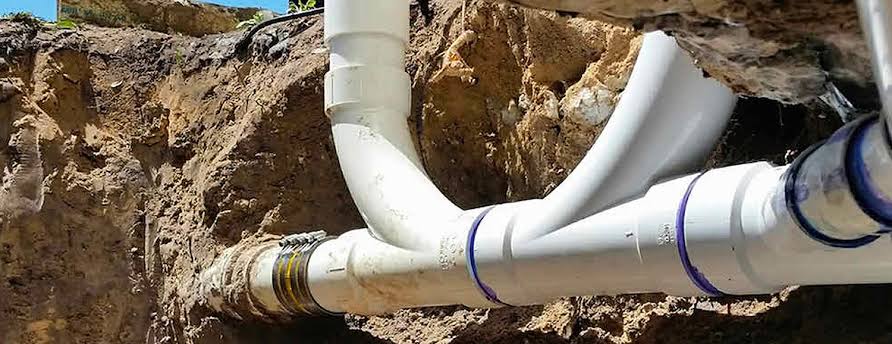
A home’s plumbing system usually stays out of sight and out of mind—until something goes wrong. Most people don’t think about what happens beneath their lawn or driveway, yet those hidden pipes quietly carry wastewater away every single day. When everything works as it should, life feels normal. But when a sewer line starts failing, it can quickly turn into one of the most stressful and expensive home problems to deal with.
The truth is, sewer systems don’t fail overnight. Small warning signs often appear weeks or even months before a major issue develops. A slow-draining sink, an unusual odor in the yard, or patches of overly green grass might seem harmless at first, but they’re sometimes early clues that deserve attention. Paying attention to these details can save homeowners a surprising amount of money, frustration, and disruption.
The Hidden Workhorse Beneath Your Property
Every home depends on a network of underground pipes that transport wastewater safely away from the property. Unlike visible plumbing fixtures, these lines operate quietly in the background. Because they’re buried underground, many homeowners assume they’re built to last forever.
While sewer lines are certainly durable, they aren’t indestructible. Tree roots naturally seek moisture, soil shifts over time, older materials deteriorate, and even everyday grease buildup can gradually reduce pipe performance. Add years of wear and changing weather conditions, and even a well-built system can eventually need attention.
Understanding what’s happening beneath your property is the first step toward avoiding larger problems later on.
Recognizing Early Warning Signs
One clogged drain isn’t always a cause for concern. However, when multiple drains begin backing up at the same time, it’s often pointing toward a deeper issue.
Some common signs include:
- Slow drains throughout the house
- Gurgling sounds after flushing toilets
- Persistent sewer odors indoors or outdoors
- Water pooling in unexpected areas of the yard
- Frequent drain clogs despite regular cleaning
- Mold or moisture appearing near lower-level plumbing
These symptoms don’t automatically mean complete pipe failure, but they do suggest it’s time for a professional inspection rather than another bottle of drain cleaner.
Addressing small issues before they become emergencies is almost always the less expensive option.
Why Modern Inspections Make a Difference
Years ago, diagnosing sewer problems often meant digging large sections of a yard simply to locate the issue. Fortunately, technology has changed that process dramatically.
Today’s plumbing professionals commonly use high-resolution inspection cameras that travel through the pipe itself. These cameras reveal cracks, root intrusion, blockages, collapsed sections, and buildup with impressive accuracy.
Instead of guessing, homeowners receive a clear picture of what’s actually happening underground. That makes it much easier to create an efficient sewer line situation where repairs are based on real evidence instead of assumptions.
Accurate diagnosis usually means faster work, lower costs, and less unnecessary excavation.
Choosing the Right Solution Instead of the Biggest One
Not every sewer issue requires complete replacement. That’s one of the biggest misconceptions homeowners have.
Depending on the condition of the pipe, professionals may recommend cleaning, spot repairs, trenchless rehabilitation, or full replacement. The goal isn’t to sell the most expensive option—it’s to choose the solution that matches the actual condition of the system.
A relatively small crack might only require localized work, while severe corrosion or multiple collapsed sections could justify replacing the entire line.
Getting multiple opinions for major projects is never a bad idea. Quality contractors will gladly explain why they’re recommending a particular approach instead of simply presenting a large estimate.
Planning Successful Sewer Line Installations
Building a new home or replacing an aging system requires careful planning from the very beginning. Proper grading, pipe selection, local building codes, drainage patterns, and future accessibility all play important roles in successful sewer line installations.
Rushing through the planning stage often creates problems years later.
Experienced contractors evaluate soil conditions, surrounding utilities, property layout, and expected household usage before beginning work. These factors influence both long-term durability and overall system performance.
Choosing quality materials may cost slightly more upfront, but they’re usually far more economical over the life of the home.
The Cost of Waiting Too Long
It’s human nature to postpone repairs that aren’t immediately visible. Unfortunately, underground plumbing rarely improves on its own.
A minor crack can slowly widen. Small root intrusion becomes a complete blockage. Tiny leaks gradually wash away supporting soil beneath sidewalks, patios, or driveways.
What might have been a modest repair can eventually require excavation, landscaping restoration, concrete replacement, and emergency plumbing services—all because the original issue wasn’t addressed in time.
Routine inspections every few years, especially for older homes, are often far less expensive than responding to a sudden plumbing emergency.
Preventing Problems Through Everyday Habits
Good sewer maintenance isn’t complicated.
Avoid pouring cooking grease down drains. Dispose of wipes—even those labeled “flushable”—in the trash. Keep large trees away from underground utility paths whenever possible. Schedule occasional professional inspections if your home is older or has experienced previous sewer issues.
These simple habits won’t eliminate every plumbing problem, but they significantly reduce unnecessary wear on the system.
Think of it the same way you think about changing your vehicle’s oil. Small maintenance steps usually prevent much bigger repairs later.
Working With Professionals You Can Trust
Not every plumbing contractor approaches sewer work the same way. Experience, communication, equipment, and transparency all matter.
Reliable professionals explain inspection findings clearly, provide written estimates, discuss available repair options, and answer questions without using confusing technical language.
Whether the project involves minor maintenance or extensive sewer line repairs, homeowners should feel confident that the recommended solution genuinely addresses the underlying issue rather than masking the symptoms.
Reviews, referrals, licensing, and warranty coverage are all worth considering before making a final decision.
Looking Ahead With Confidence
Sewer systems rarely receive much appreciation, but they’re among the most important parts of any property. When they function properly, daily life simply flows without interruption. When they fail, however, the inconvenience can affect nearly every part of the home.
The encouraging news is that today’s inspection technology, improved materials, and modern repair techniques have made sewer maintenance far more efficient than it once was. Homeowners who stay alert to early warning signs, schedule periodic inspections, and work with experienced professionals are far more likely to avoid costly emergencies.
At the end of the day, taking care of what’s beneath your property is really about protecting everything above it. A healthy sewer system supports a healthier home, preserves property value, and provides peace of mind that’s difficult to measure—but incredibly easy to appreciate once you’ve experienced it.
Related Posts