Why Cleaner Water Changes More Than Just What You Drink
Water is one of those things most of us rarely think about until something feels off. Maybe the tap water suddenly tastes metallic. Maybe your coffee isn’t quite as smooth as it used to be, or your shower leaves your skin feeling unusually dry. Small changes like these have a way of reminding us that water isn’t just water. It carries minerals, chemicals, and countless tiny particles that affect everything from the meals we prepare to the lifespan of our appliances.
For many homeowners, improving water quality isn’t about chasing perfection. It’s about creating a healthier, more comfortable home where every faucet delivers water you can trust. That’s exactly why more people have started paying closer attention to the quality of the water flowing through their homes rather than focusing only on what comes out of the kitchen sink.
Water Quality Affects More Than Drinking
It’s easy to assume water quality matters only when filling a glass, but that’s only a tiny piece of the picture. Every day, water touches nearly every part of life. It washes clothes, cleans dishes, fills cooking pots, waters pets, and flows through showers and washing machines.
When water contains excessive minerals or unwanted particles, the effects often show up gradually. Towels lose softness, soap doesn’t lather well, dishes develop cloudy spots, and plumbing fixtures begin collecting stubborn deposits. These little annoyances add up over time, quietly affecting both comfort and maintenance costs.
Many homeowners eventually realize that treating water at a single faucet solves only one problem while the rest of the house continues using untreated water.
Why Homeowners Are Choosing Better Water Solutions
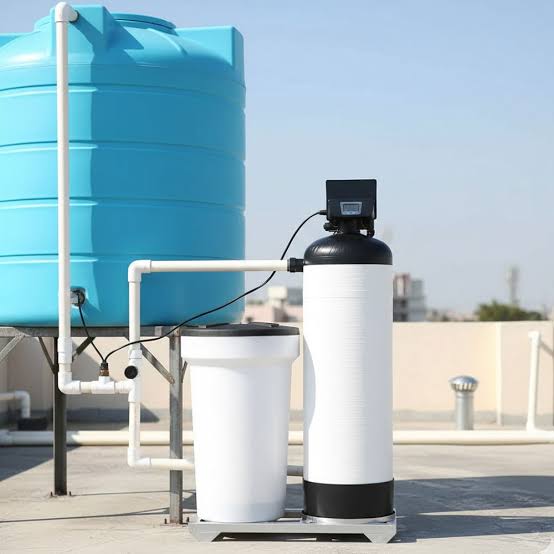
One growing trend is investing in whole house water filtration systems that treat water before it reaches any tap or appliance. Instead of filtering only drinking water, these systems provide cleaner water throughout the home.
That broader approach offers several practical benefits. Washing machines receive cleaner water, water heaters accumulate less buildup, and showers become more pleasant for people with sensitive skin. Even cooking feels different when the water itself has a cleaner, fresher taste.
It’s one of those improvements people often don’t appreciate until they’ve lived with it for a while. Then, going back becomes surprisingly difficult.
Understanding What May Be Hiding in Your Water
Not every water source is the same. Municipal water supplies are generally treated for safety, while private wells have their own unique characteristics. Even neighboring homes can experience noticeable differences depending on plumbing materials, groundwater conditions, and local infrastructure.
Possible water filtration systems can include chlorine byproducts, sediment, heavy metals, pesticides, bacteria, excessive iron, sulfur compounds, and naturally occurring minerals. Some create unpleasant tastes or odors, while others may contribute to plumbing issues or appliance wear.
The important point isn’t to panic. It’s simply to recognize that knowing what’s in your water allows you to make informed decisions instead of guessing.
Every Home Has Different Water Needs
There’s no universal filtration system that fits every household perfectly. A family relying on well water may struggle with iron stains and sulfur odors, while a city homeowner may simply want to reduce chlorine taste.
That’s why professional water testing remains one of the smartest first steps. Rather than buying equipment based on advertising claims, testing identifies the actual issues affecting your home’s water.
Sometimes the solution is surprisingly simple. Other times it involves combining several treatment methods that work together to address multiple concerns at once.
Looking Beyond Basic Filters
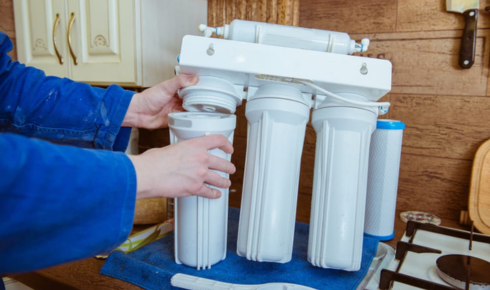
Many people start with inexpensive faucet filters or refrigerator cartridges, and those certainly have their place. They improve drinking water, require minimal installation, and fit modest budgets.
Still, they only treat a tiny fraction of the water your household uses.
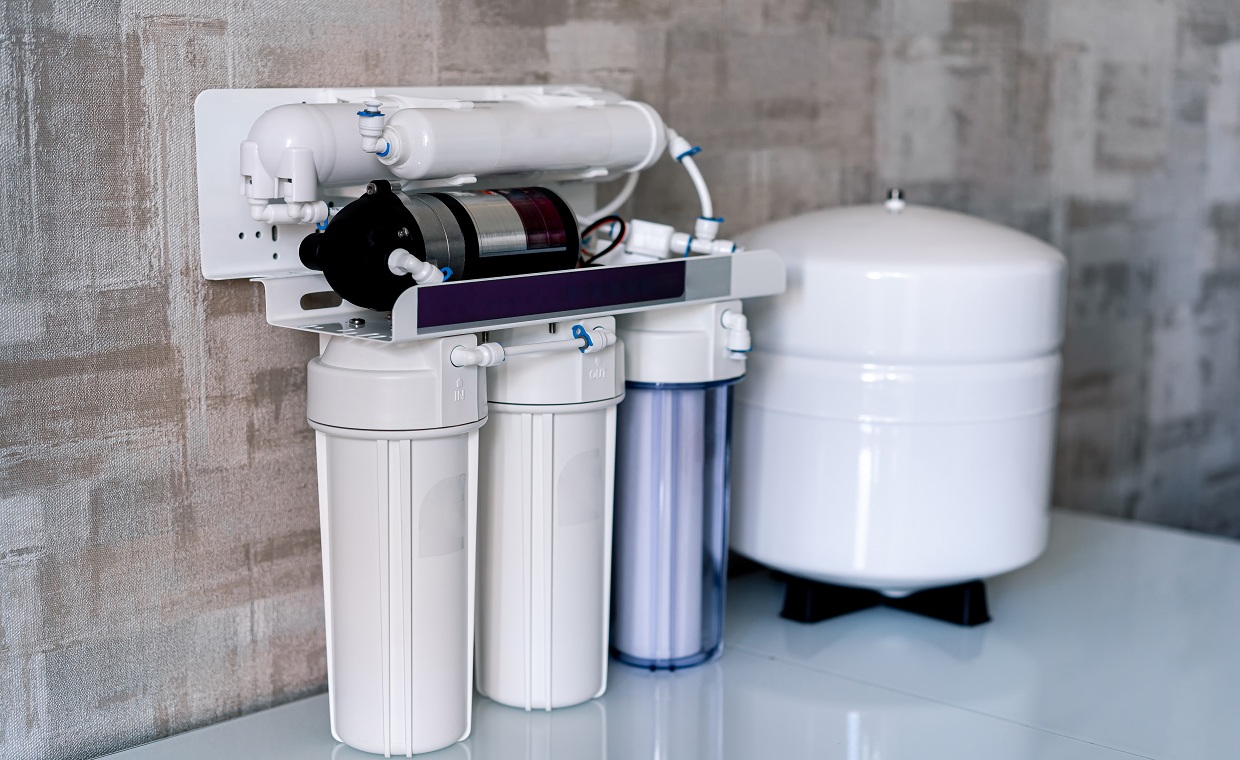
Modern water contaminants are designed with different goals in mind. Some specialize in sediment removal, others target chlorine, while advanced options combine activated carbon, catalytic media, ultraviolet disinfection, reverse osmosis, or specialized resin technologies depending on local water conditions.
The best system isn’t necessarily the most expensive one. It’s the one that solves the specific problems your home actually has.
Cleaner Water Can Protect Your Home Too
We often think about water quality from a health perspective, but there’s another side that deserves attention.
Mineral deposits slowly build inside pipes, water heaters, dishwashers, coffee makers, and washing machines. Over months and years, this buildup reduces efficiency and increases wear on expensive equipment.
Cleaner water can help plumbing fixtures perform better while reducing maintenance headaches. Even something as simple as showerheads staying cleaner for longer becomes a noticeable improvement.
It’s one of those investments where the benefits appear quietly over time rather than all at once.
Small Everyday Differences Add Up
Sometimes the biggest advantages aren’t dramatic. They’re the little moments you stop noticing because everything simply works better.
Fresh-tasting tea.
Softer laundry.
Cleaner glassware.
Less soap residue.
Showers that leave your skin feeling comfortable instead of tight.
These aren’t life-changing events individually, but together they create a home that simply feels more pleasant every single day.
Friends may not immediately recognize what’s different, yet they often comment that the water tastes unusually good or notice how spotless the dishes look without realizing why.
Choosing a System With Confidence
Shopping for water treatment equipment can feel overwhelming because every manufacturer promises impressive results. Marketing language often sounds similar, making comparisons difficult.
Instead of focusing on brand names alone, look at verified testing data, maintenance requirements, filter replacement schedules, certification standards, and professional recommendations based on your local water conditions.
Ask questions. Request water analysis results. Understand what each filter actually removes rather than assuming every product works the same way.
Making a thoughtful decision today can save both money and frustration for years ahead.
Final Thoughts
Clean water isn’t about luxury. It’s about creating a healthier, more comfortable environment for everyday living.
Whether you’re cooking dinner, washing your children’s clothes, taking a shower after a long day, or simply filling a glass from the kitchen faucet, the quality of your water quietly influences those experiences in ways that often go unnoticed.
Taking time to understand your home’s water—and choosing the right solution based on real needs instead of marketing promises—is an investment that continues paying off every day. In the end, cleaner water isn’t just something you drink. It becomes part of how your entire home feels, functions, and supports the people who live there.