Better Water Starts With the Right Filtration Choices
Water is one of those everyday essentials we tend to take for granted. We use it to make coffee, prepare dinner, wash clothes, clean the bathroom, and keep the garden looking healthy. Most of the time, turning on a tap is something we do without thinking. But when water develops an unpleasant taste, leaves stains around fixtures, or causes stubborn mineral deposits, it quickly becomes a household concern.
The challenge is that water problems rarely have one universal solution. Some properties deal with hard water, others have sediment or iron, and some homeowners want to reduce particular substances that affect drinking water. Understanding the source of the problem is the first step toward choosing equipment that genuinely helps. Buying a system simply because it is popular can leave you paying for features your home may not need.
Understanding the Water in Your Home
Water quality depends on several factors, including its source, the surrounding environment, the plumbing system, and any treatment already in place. Municipal water is generally treated before reaching homes, but its mineral content and taste can still vary. Private well water is different because its characteristics depend heavily on local geology and conditions around the well.
Household symptoms can provide useful clues. White deposits on faucets may suggest hard water, while orange or reddish stains can sometimes indicate iron. A musty taste or unusual smell may have several possible causes. However, appearance and taste cannot reliably reveal everything that may be present. Some contaminants require specific testing because they cannot be detected by sight or smell.
Start by reviewing available water-quality information and arranging suitable testing when necessary. A basic hardness test can help identify mineral-related issues, but it does not establish whether water is free from bacteria, lead, nitrates, or other health-related contaminants. For those concerns, use an appropriate testing method and consider a certified laboratory.
Once you know what needs attention, it becomes easier to compare systems based on measurable performance rather than broad advertising claims.
How Activated Carbon Can Improve Water
Taste and odor are often among the first things people notice about their water. Even when water is clear, an unfamiliar flavor can make drinking it less appealing. In some situations, activated carbon filtration can help reduce chlorine taste, certain odors, and selected organic compounds.
Activated carbon works through adsorption. As water passes through the carbon media, some substances attach to its porous surface. The actual results depend on the carbon type, system design, contact time, and the substances being targeted. Not every carbon filter performs the same way, and a product should never be assumed to remove every possible contaminant.
These filters are available in several forms. Some are installed beneath the kitchen sink to treat drinking and cooking water, while others are designed for use at the point where water enters the home. Pitcher filters and faucet-mounted units can also contain carbon media, although their capacity and performance may differ considerably.
Before choosing a filter, check the manufacturer’s performance information and any relevant independent certifications. Find out which substances the product is designed to reduce, how much water it can treat, and how often the cartridge needs replacing.
Maintenance is particularly important with carbon filters. As the media becomes exhausted, its ability to reduce targeted substances can decline. A filter that has not been changed according to the manufacturer’s instructions may no longer deliver the expected results. Setting a reminder for replacement can prevent this simple task from being overlooked.
Special Considerations for Well Water
Homes that rely on private wells need a more tailored approach to water quality. Unlike municipal supplies, private wells are not typically covered by the same routine public water-quality monitoring. Conditions can also change following heavy rainfall, flooding, nearby construction, or changes in the surrounding land.
Effective well water treatment begins with testing for concerns relevant to the property’s location and water source. Depending on local conditions, testing may include bacteria, nitrates, pH, hardness, iron, manganese, or other substances. A qualified professional or local health authority can help determine which tests are appropriate and how frequently they should be repeated.
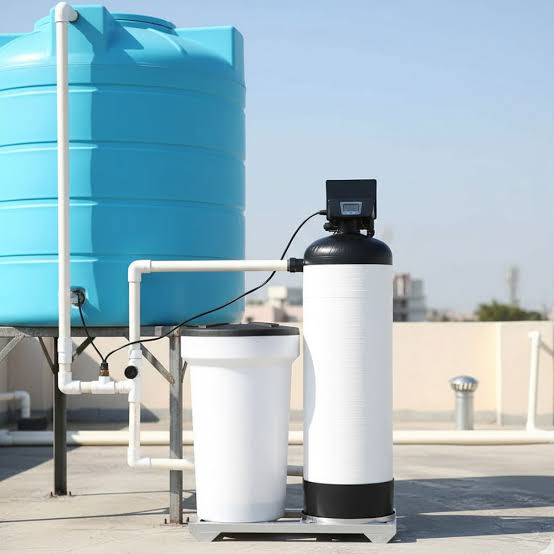
The right treatment method depends on the results. Sediment filters can capture suspended particles, while certain filters are designed to reduce iron or manganese. Water softeners can address hardness, and ultraviolet systems may be used for microbial disinfection when properly selected and installed. These technologies serve different purposes, so one should not be treated as a substitute for another.
For example, a household dealing with orange staining may need to investigate iron levels rather than simply installing a general-purpose filter. If testing identifies a bacterial concern, a taste-improving cartridge alone will not make the water safe. Choosing equipment based on evidence helps avoid wasted money and gives homeowners a clearer understanding of what their system can accomplish.
Private wells also need attention beyond the treatment equipment. Inspect the well cap and surrounding area, follow recommended testing schedules, and investigate sudden changes in water quality promptly.
Why Businesses May Need a Different Approach
Water quality matters in commercial settings, too, but the requirements can be quite different from those of a typical home. Restaurants, offices, hotels, manufacturing facilities, and other businesses may use substantial volumes of water throughout the day. Equipment must be selected according to demand, operating conditions, and the intended application.
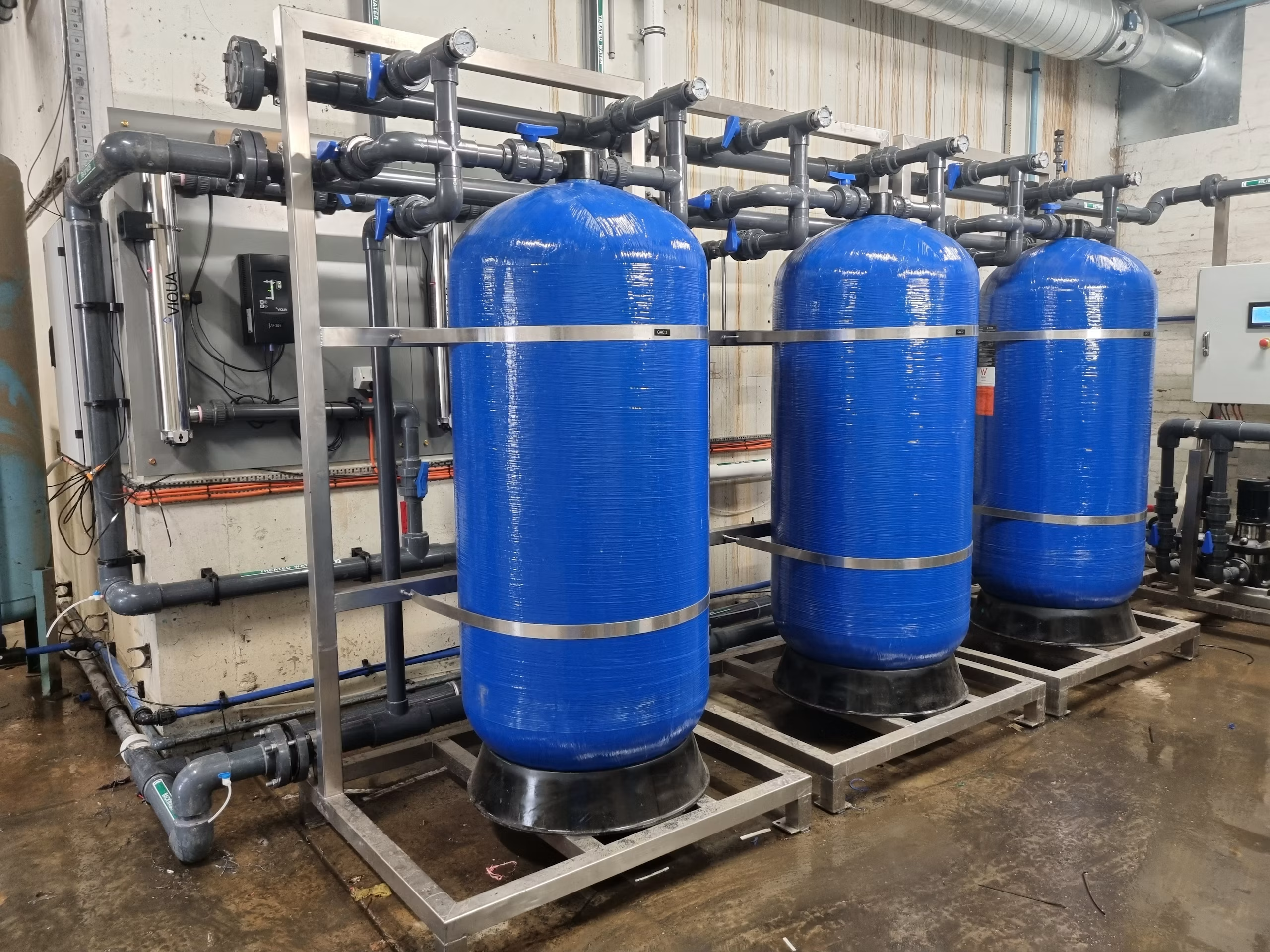
A suitable commercial water filtration system may help address sediment, unwanted tastes, or specific substances that affect water used in food preparation, equipment, or other processes. The right configuration depends on the business. A café may prioritize taste and consistent performance at beverage stations, while a manufacturing operation may need water that meets defined process requirements.
Flow rate is an important consideration. A filter that works well for a small household may not handle multiple commercial outlets operating at once. Undersized equipment can restrict water flow, increase servicing demands, or fail to meet the property’s needs.
Businesses should also account for maintenance schedules, replacement media, and the cost of downtime. A system that is easy to inspect and service can be more practical over time than one that is difficult to access. Before installation, clarify what the equipment is expected to achieve and how its performance will be checked.
Installation and Ongoing Care
Even a well-selected system needs proper installation. Equipment should be sized for the water supply and demand, connected according to manufacturer instructions, and placed where routine servicing is possible. Depending on the system, installation may involve drainage, electrical access, additional plumbing, or compliance with local requirements.
Maintenance should be part of the original decision, not something considered after the equipment is installed. Filters and cartridges have defined service lives, softeners may require salt, and disinfection equipment needs periodic checks. Keep records of installation dates, service visits, filter changes, and water-test results. These details make it easier to identify patterns if a problem returns.
Pay attention to changes in pressure, taste, odor, or staining, but avoid assuming that every change has the same cause. Retesting may be necessary if the water source or surrounding conditions change.
Make a Practical, Informed Choice
Choosing water-treatment equipment does not have to be complicated. Begin with the water source, identify the concern, and use appropriate testing to guide your options. Compare systems based on their documented performance, installation requirements, maintenance needs, and long-term cost.
Be cautious of promises that one device can remove every unwanted substance or solve every water problem. Good treatment is specific: it addresses an identified need and comes with clear information about what the equipment can and cannot do.
When you take the time to understand your water, you can make decisions with greater confidence. The aim is not to install the biggest system available. It is to choose a reliable, well-maintained solution that suits your property and supports the way you use water every day.