Choosing the Right Water Treatment System for a Healthier, More Comfortable Home
Water plays a part in nearly everything we do at home. We use it to cook meals, wash clothes, clean dishes, shower, and make that first cup of coffee in the morning. So when something seems off, even a small water quality issue can become an everyday annoyance. Mineral spots appear on the bathroom mirror, soap doesn’t lather properly, or the water from the kitchen tap has a taste nobody particularly enjoys.
The good news is that many common water concerns can be addressed with the right treatment approach. The trick is knowing what you’re dealing with before choosing equipment. Not every home needs a complicated filtration system, and a product that works well for one household may not be the right fit for another.
Understanding Common Water Quality Problems
Water quality depends on its source, the surrounding environment, and sometimes the plumbing inside the property. Municipal water providers generally treat their supplies to meet applicable drinking water standards, but certain characteristics can still affect taste, odor, and household maintenance.
Hard water is one familiar example. It contains dissolved calcium and magnesium, which can leave white deposits on faucets, shower doors, and heating elements. Over time, scale may affect the efficiency of some water-using appliances and increase the effort needed to keep bathrooms and kitchens clean.
Iron can create reddish or brownish stains on laundry, sinks, and toilets. Sediment may make water appear cloudy, while certain dissolved substances can affect its taste or smell. These issues aren’t necessarily signs of a serious health problem, but they can indicate that further investigation would be useful.
Start by identifying the symptoms you notice most often. Does the water leave deposits? Is there an unusual smell? Do problems occur at every tap or only one? Paying attention to these details can help narrow down possible causes.
Water testing provides a more dependable answer than appearance alone. Depending on the source and concern, testing may measure hardness, iron, pH, bacteria, nitrate, or other relevant parameters. If you’re using a private well, follow local recommendations for routine testing, even when the water seems perfectly normal.
When Whole-Home Filtration Makes Sense
Some homeowners want to improve the quality of water entering the entire property rather than treating only the kitchen tap. In these situations, whole-house filtration may be worth exploring.
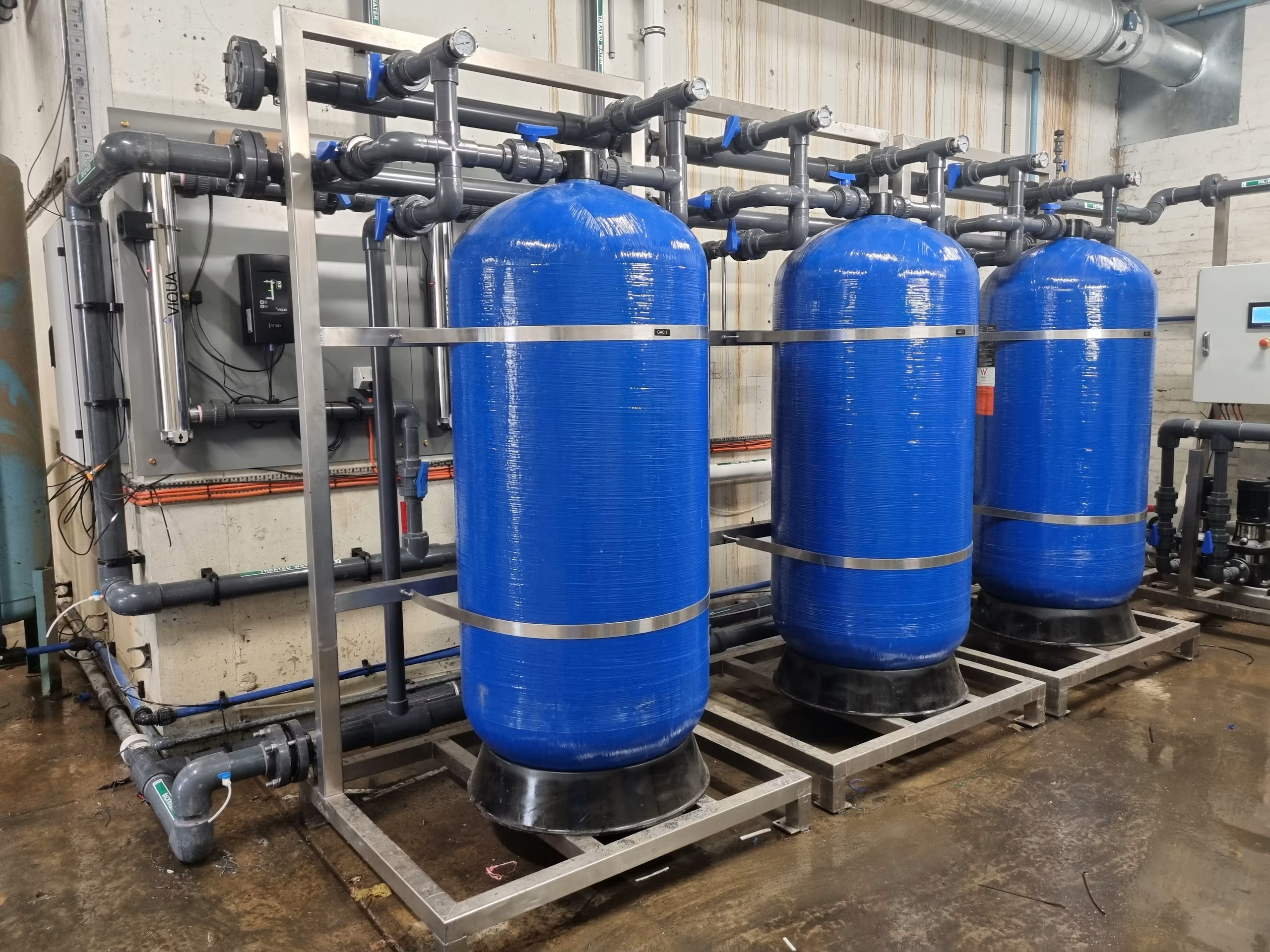
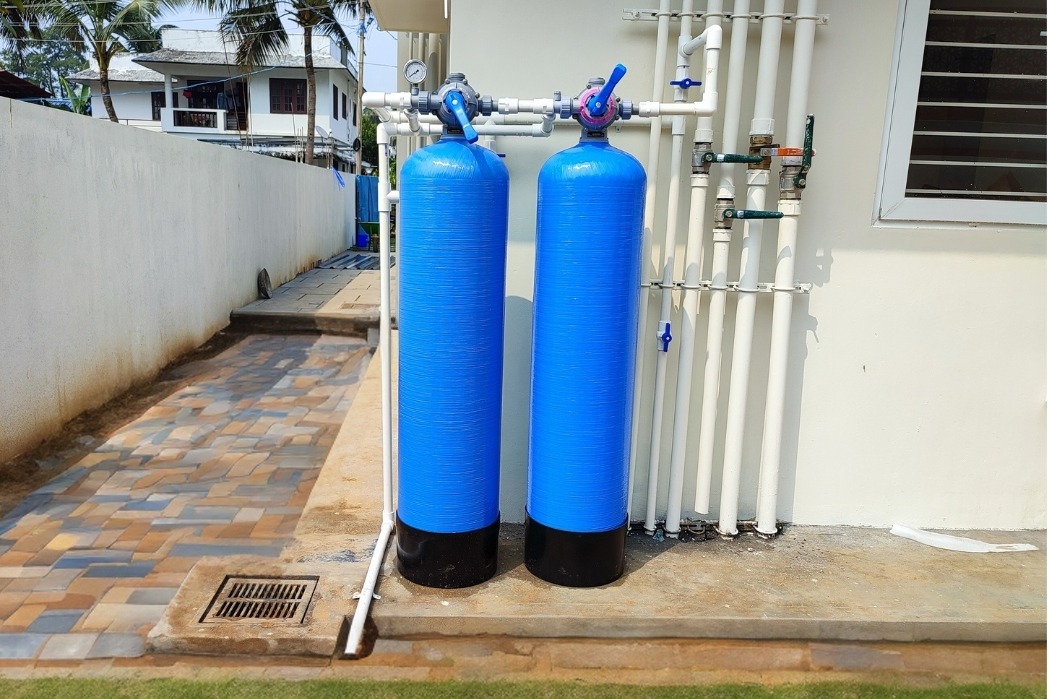
A whole-house system is typically installed where the main water line enters the home. This allows treated water to reach multiple fixtures, including showers, laundry connections, and bathroom sinks. Depending on the equipment, it may reduce sediment, chlorine, or other specified substances.
However, the term covers several types of filtration, and not every system does the same job. A sediment filter captures suspended particles. Activated carbon can reduce certain substances associated with taste and odor. Other applications may require specialized media designed for a particular contaminant.
That’s why testing should come before choosing a product. A basic sediment filter won’t remove every dissolved substance, and a carbon filter shouldn’t be assumed to eliminate bacteria or all chemical contaminants. The system must be matched to the actual water quality issue.
Installation requirements also deserve consideration. Whole-home equipment needs enough space for servicing, suitable plumbing connections, and a design that can handle the property’s water demand. Some systems may require drainage or other utilities, depending on their operating method.
For households with several bathrooms or high water usage, flow rate is particularly important. A system that restricts water flow too much can make showers and other everyday activities less convenient. Ask the installer to explain how the proposed equipment will perform during periods of peak demand.
Why Private Wells Need Special Attention
Homes that rely on private wells have different responsibilities from properties connected to a municipal supply. Well water quality can vary with local geology, nearby land use, weather, and the condition of the well itself.
A clear glass of well water may look reassuring, but appearance cannot confirm that the water is safe. Bacteria, nitrate, and certain naturally occurring contaminants may be present without producing an obvious change in taste or color.
Effective well water treatment begins with appropriate testing. The results help determine whether the property needs disinfection, filtration, contaminant-specific treatment, or a combination of methods. For instance, sediment and hardness may require different equipment from bacteria or nitrate.
If testing identifies bacteria, a qualified professional can help assess the source of contamination and determine whether disinfection or well repairs are necessary. If nitrate or another dissolved contaminant is found, the treatment system must be specifically suitable for reducing that substance. Boiling water is not a universal solution and can increase the concentration of certain contaminants, including nitrate.
Routine well inspections are valuable, too. Check that the well cap and surrounding area are in good condition, keep potential sources of contamination away from the well, and retest after flooding or repairs when recommended by local health authorities.
Treatment equipment should never be viewed as a substitute for monitoring. Even a properly installed system needs appropriate maintenance and, where necessary, follow-up testing to confirm it continues to work.
Water Softeners and the Problem of Hard Water
Filtration and softening are often discussed together, but they serve different purposes. Filters remove or reduce specific substances, while conventional salt-based softeners primarily address hardness minerals.
For households struggling with recurring scale, water softeners can make a noticeable difference. These systems generally use ion exchange to replace calcium and magnesium ions with sodium or potassium ions. The process helps reduce mineral deposits in plumbing and can improve soap performance.
Many homeowners also notice that cleaning becomes easier because less scale collects around showerheads, taps, and glass surfaces. Water heaters and other equipment that use water may benefit from reduced scale formation, although results depend on the system and operating conditions.
Softening does have limitations. It doesn’t automatically make water safe from bacteria or every chemical contaminant, and it doesn’t replace a drinking water filter when a specific substance needs to be reduced. People who must limit sodium intake may also want to discuss softened drinking water with a healthcare professional and consider leaving the kitchen cold-water supply unsoftened or using another suitable arrangement.
Softener maintenance matters as well. Salt levels need to be checked, settings should match the water hardness and household demand, and the system may need periodic servicing. If hard water symptoms return, investigate the cause instead of assuming the equipment needs immediate replacement.
Choosing Equipment Without Overspending
It’s easy to get caught up in product comparisons, especially when manufacturers advertise multiple filtration stages, digital controls, and impressive-sounding features. But more features don’t necessarily mean better water for your particular home.
Begin with your test results and decide which problems need to be addressed. Then compare systems based on their certified performance, water capacity, maintenance schedule, installation needs, and long-term operating costs.
Ask about replacement filters, softener salt, electricity use, warranties, and service availability. A system with a modest purchase price might cost more over time if its components need frequent replacement. On the other hand, a high-end system may offer little practical benefit if your water needs only basic treatment.
A reliable provider should explain the limitations of the equipment, not just its selling points. Be cautious of claims that one product removes every contaminant or that all untreated tap water is dangerous. Good recommendations are based on evidence, not pressure.
Maintenance Is Part of the Solution
After installation, regular care helps preserve performance. Replace cartridges according to the manufacturer’s schedule, monitor pressure and flow, and keep a record of service visits. If the water develops a new taste, odor, or appearance, investigate rather than assuming the treatment system is still working as expected.
Periodic testing may also be appropriate, particularly for private wells or when the source water changes. A treatment system can only be relied on for the substances it is designed to reduce and maintained to handle.
Better Water Begins With an Informed Choice
Improving water quality doesn’t have to mean buying every available piece of equipment. It starts with understanding the water, identifying the real concern, and selecting a treatment method that makes sense for your property.
Whether you’re trying to reduce mineral buildup, improve water throughout the home, or address concerns about a private well, informed decisions can save money and reduce frustration. Combine suitable testing with properly selected equipment and consistent maintenance, and you’ll have a much stronger foundation for reliable water quality.
The goal isn’t to create a complicated system that demands constant attention. It’s to make everyday life a little easier, with water that suits your needs and equipment you can depend on.