The Quiet Shift Toward Better Water at Home
There’s a moment—usually subtle—when people start paying attention to their water. Maybe it’s the white spots on freshly washed glasses, or that faint metallic taste you can’t quite ignore anymore. Sometimes it’s dry skin that won’t go away, no matter how many products you try. And then, almost without realizing it, you start wondering… what exactly is coming out of your tap?
It’s not a dramatic realization. More like a slow nudge.
And that’s where the journey toward better water begins.
Why Water Quality Isn’t Just a “Nice to Have”
We often treat water like it’s a constant—something that just exists and works. Turn the tap, and there it is. But the truth is, water varies more than we think. It changes depending on where you live, how it’s treated, and even how it travels through pipes before reaching your home.
Hard water, for instance, is incredibly common. It carries minerals like calcium and magnesium, which aren’t harmful to drink, but they can quietly wreak havoc on appliances, plumbing, and even your skin. Over time, that buildup can shorten the lifespan of everything from your washing machine to your water heater.
And then there are other concerns—chlorine, sediment, trace contaminants. Not always dangerous, but not exactly ideal either.
So, naturally, homeowners start looking for solutions that feel practical, not overwhelming.
Softening the Edges of Everyday Water
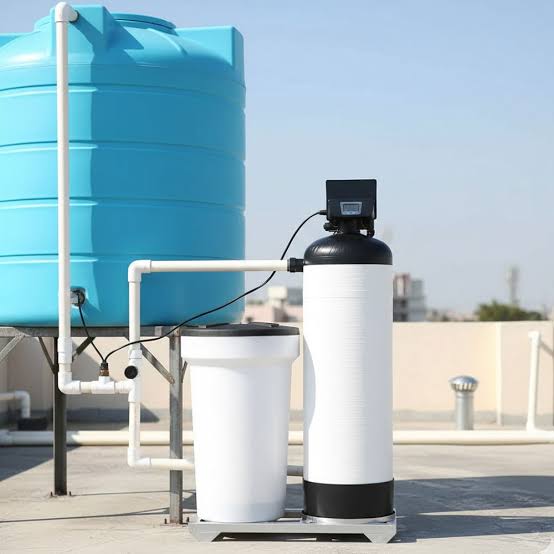
One of the first upgrades people explore is water softeners. And it makes sense. If your soap doesn’t lather well or your laundry feels stiff no matter what you do, hard water is probably the culprit.
A softener works by swapping out those hardness-causing minerals with sodium or potassium ions. It’s a behind-the-scenes process, but the difference is surprisingly noticeable. Showers feel smoother. Dishes come out cleaner. Even your coffee might taste… slightly better.
It’s not magic, of course. But it’s one of those small changes that quietly improves daily life.
That said, softeners aren’t a one-size-fits-all fix. They address hardness, yes—but not everything else. And that’s where people often take the next step.
Looking Beyond the Kitchen Sink
At some point, the question shifts from “How do I fix this one issue?” to “What about the whole house?”
That’s where whole home filtration systems come into the picture. Instead of treating water at a single tap, these systems work at the entry point—filtering everything before it flows through your pipes.
It’s a broader approach. More comprehensive.
Sediment, chlorine, certain chemicals… they’re reduced before they even reach your shower or washing machine. The water feels cleaner, smells better, and—perhaps most importantly—you stop thinking about it as much. It just works.
There’s something reassuring about that. Knowing that every faucet in your home is delivering water that’s been thoughtfully treated.
Still, even with whole-home systems, some people want an extra layer of precision—especially when it comes to drinking water.
A Closer Look at What You Drink
If you’ve ever filled a glass of tap water and hesitated for just a second before sipping it, you’re not alone. Drinking water tends to get a little more scrutiny. And rightly so.
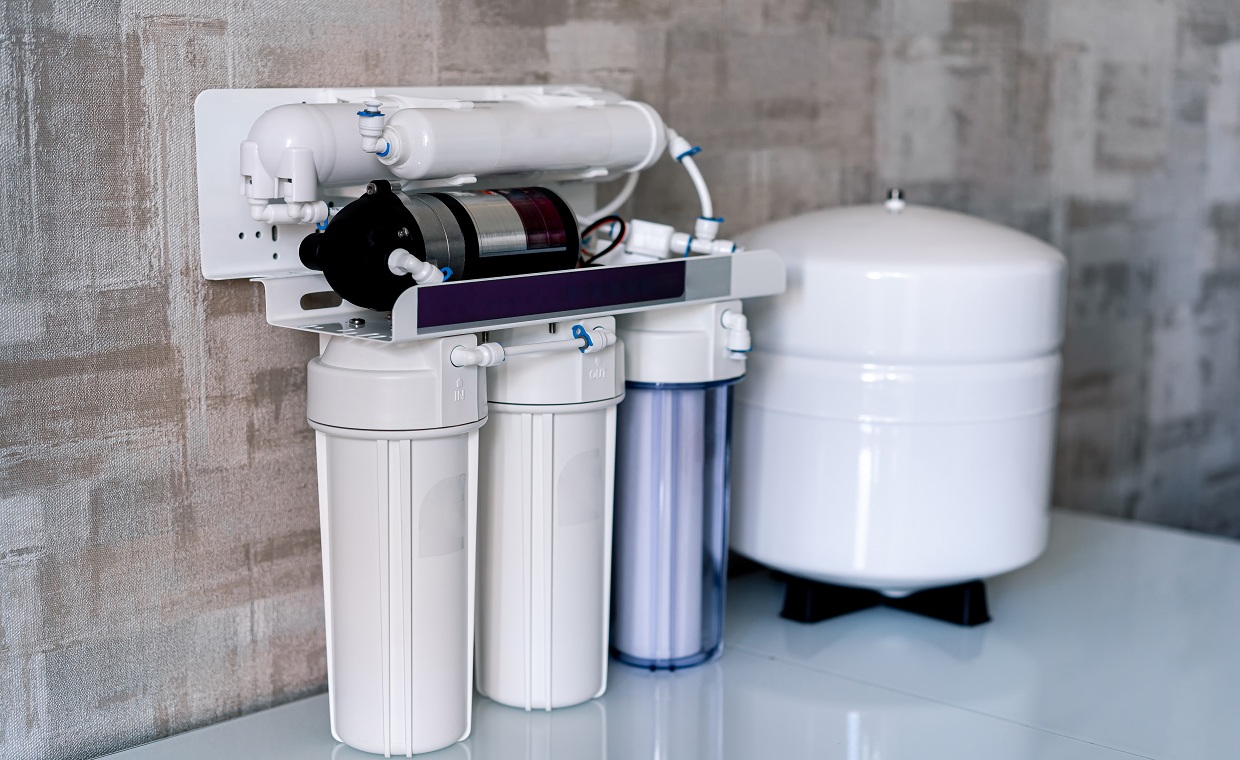
That’s where reverse osmosis systems step in. These systems use a semi-permeable membrane to remove a wide range of dissolved solids—things like lead, nitrates, and certain salts that other filters might miss.
It’s a more detailed process. Slower, too. But the result is water that tastes clean in a way that’s hard to describe until you try it.
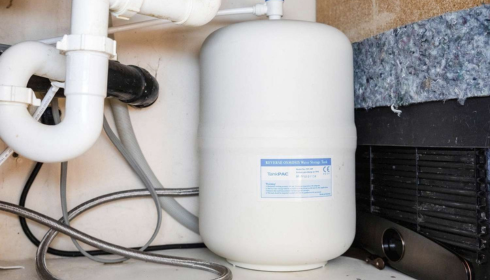
Some people install these systems under the kitchen sink. Others pair them with remineralization stages to balance taste. Either way, it’s a targeted solution for something we consume every single day.
And honestly, once you get used to it, it’s hard to go back.
Finding What Fits Your Home (and Your Life)
Here’s the thing—there’s no universal “perfect” system. What works beautifully in one home might feel excessive or unnecessary in another.
A family dealing with hard well water might prioritize softening first. Someone in a city apartment might lean toward point-of-use filtration. And others… they go for a layered approach, combining multiple systems for broader coverage.
It’s less about chasing the most advanced setup and more about understanding your specific water conditions.
Testing helps. So does talking to professionals who know the local water profile. But even beyond that, it comes down to comfort—what makes you feel confident in the water you’re using every day.
The Subtle Benefits You Don’t Always Notice Right Away
Not every improvement is obvious. In fact, some of the most meaningful changes happen quietly.
Your appliances last a bit longer. Your skin feels less irritated. You stop buying bottled water without even realizing it. These aren’t headline-grabbing transformations, but they add up over time.
And then there’s the peace of mind.
It’s easy to overlook, but knowing your water has been thoughtfully treated—whether softened, filtered, or purified—takes one small worry off your plate. In a world that’s already busy enough, that counts for something.
A Final Thought, Without the Sales Pitch
If you’re just starting to think about your home’s water, you don’t need to rush into anything. Take your time. Notice the little things—how your water tastes, how it feels, how it behaves in your daily routine.
Those small observations? They’re usually pointing you in the right direction.
Because improving water quality isn’t really about chasing perfection. It’s about making everyday life just a bit better, one glass, one shower, one load of laundry at a time.