

There’s a point in most homes where water stops being invisible.
Not because something breaks. Not because it suddenly turns brown or stops flowing. It’s subtler than that. You notice your dishes aren’t quite clean, even fresh out of the wash. Your skin feels dry after a shower. Your kettle gathers that stubborn white layer again… and again.
At first, you ignore it. We all do.
But eventually, it starts to feel like your water is working against you instead of with you.
The Quiet Signs That Add Up Over Time
Water has a way of leaving clues. Small ones. Easy to miss if you’re not looking for them.
A faint film on your glassware. Soap that doesn’t lather properly. Clothes that feel stiff, even with fabric softener. None of these are urgent problems, but they’re persistent.
And that’s what makes them frustrating.
Because over time, these little inconveniences become part of your routine. You adjust without realizing it—clean a bit more, use a bit more product, replace things sooner than you should.
But underneath it all, the cause usually stays the same.
Why Hard Water Changes Everything (Even If It’s Not Dangerous)
One of the most common culprits is hard water. It’s loaded with minerals like calcium and magnesium—perfectly natural, but not always helpful in a home setting.
These minerals build up over time. Inside pipes. Around fixtures. In appliances you rely on every day.
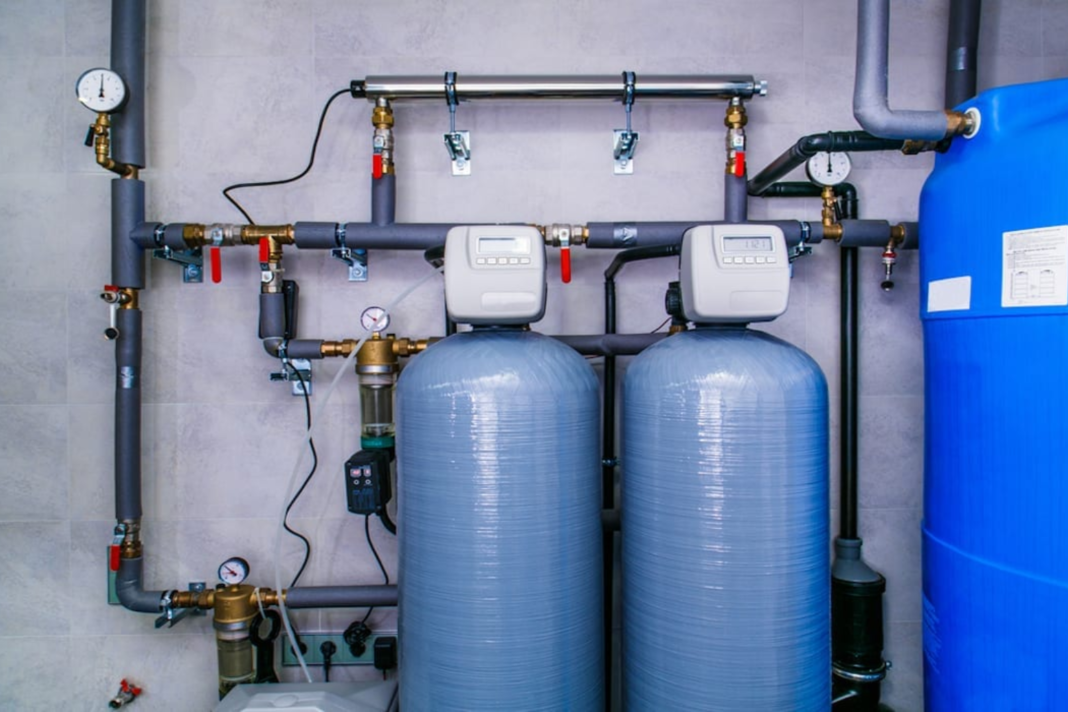
That’s where water softeners come into the picture. Not as a luxury, but as a practical way to reduce those minerals and bring balance back to your water.
And once that balance shifts, things start to feel different.
Your soap behaves the way it’s supposed to. Your surfaces stay cleaner longer. Even your showers feel… smoother.
It’s not dramatic. But it’s noticeable.
Looking Beyond One Tap at a Time
At some point, you might realize that improving just your drinking water isn’t enough. Because water doesn’t stay in one place—it moves through your entire home.
Your shower, your washing machine, your dishwasher—they all rely on the same source.
That’s where whole home water treatment starts to make sense. Instead of fixing isolated issues, it addresses the water as it enters your house, improving everything downstream.
It’s a broader approach. One that focuses on consistency rather than quick fixes.
And when it’s done right, you don’t have to think about it much at all.
When Taste Becomes the Thing You Can’t Ignore
Then there’s the taste.
You might not notice it at first. But once you do, it’s hard to forget. A slight chlorine edge. A metallic hint. Something that makes you reach for bottled water instead of trusting what’s coming from your tap.
That’s where reverse osmosis systems come into play. They focus on refining drinking water—removing impurities at a very fine level to improve clarity and taste.
And the difference? It’s often immediate.
Your water tastes neutral. Clean. Almost like it disappears in the best way possible.
Which is exactly what you want.
The Changes That Sneak Up on You
What’s interesting about improving your water is how quietly the benefits show up.
You don’t wake up one day thinking, “Everything is perfect now.”
Instead, it’s a slow realization.
You’re cleaning less. Your appliances seem to run more smoothly. Your daily routine feels just a bit easier, though you might not immediately connect it to your water.
And then one day, you realize—you haven’t thought about your water in weeks.
That’s when you know it’s working.
Choosing What Actually Fits Your Life
If you’ve started looking into water solutions, you’ve probably noticed how quickly things can get overwhelming.
So many options. So many opinions. Everyone claiming their system is the best.
But here’s the reality—there’s no one-size-fits-all answer.
What matters is what you’re experiencing in your home. What’s bothering you? What would make your daily routine feel easier?
Once you focus on that, the right direction becomes clearer.
You don’t need everything. You just need what works for you.
Why It’s Worth Paying Attention (Even If Nothing Feels Urgent)
Water issues rarely demand immediate action. They don’t come with flashing warnings or urgent deadlines.
They’re slow. Subtle. Easy to ignore.
But that also means you have time to approach things thoughtfully. To understand your water, explore your options, and make changes that actually improve your home.
Because when something is part of your everyday life, even small improvements can have a big impact.
A More Comfortable Way to Live with Water
At its core, this isn’t about chasing perfect water. It’s about removing the little frustrations that have quietly become part of your routine.
Because when your water feels right—when it works without creating extra effort—you notice the absence of problems more than anything else.
And that’s the goal.
Final Thoughts: The Upgrade You Don’t Have to Think About
We often focus on visible upgrades—new furniture, better lighting, fresh paint. But some of the most meaningful improvements are the ones you don’t immediately see.
Water is one of them.
It’s constant. Essential. Easy to overlook.
But when it’s working the way it should—when it feels clean, tastes right, and supports your home instead of complicating it—you stop thinking about it altogether.
And honestly, that’s the best kind of improvement there is.

