

You probably don’t think much about your water on a normal Tuesday morning. You brush your teeth, brew your coffee, toss a load of laundry in, and head out the door. It’s just there — running reliably from every tap.
But then something small catches your attention. Maybe your dishwasher leaves cloudy spots no matter what detergent you use. Maybe your shower smells faintly like chlorine. Or your skin feels dry even though the air outside is thick with humidity.
That’s when the question creeps in: what’s actually flowing through my home?
For many homeowners, that curiosity becomes the starting point for exploring better water care.
The Growing Awareness Around Water Quality
Over the past decade, conversations around water quality concerns have become more common — and more nuanced. It’s no longer just about whether water is “safe.” It’s about how it tastes, how it feels, and how it interacts with plumbing and appliances.
Municipal water systems are regulated, yes. But regulations set acceptable limits, not necessarily ideal ones for every household. Aging pipes, regional mineral levels, and seasonal treatment changes can all influence what reaches your faucet.
Even well water, which many homeowners prefer for its natural source, can carry sediment, iron, or hardness that affects daily life.
This isn’t about alarmism. It’s about awareness.
Beyond the Kitchen Sink
One common mistake is assuming water treatment only matters for drinking. That’s important, of course — but water touches far more than your glass.
You shower in it. Wash your clothes in it. Rinse produce under it. Steam rises from it while you cook. It runs through your dishwasher, your water heater, your outdoor hose.
That’s why many people begin looking at comprehensive water treatment solutions instead of isolated filters. Instead of addressing one faucet at a time, they focus on treating water at the source.
Sediment filtration can reduce grit and debris before it clogs fixtures. Carbon filters can reduce chlorine taste and odor. Softeners can address mineral buildup that leaves scale on faucets and inside appliances.
The right solution depends entirely on what your water actually contains.
When the Whole House Becomes the Focus
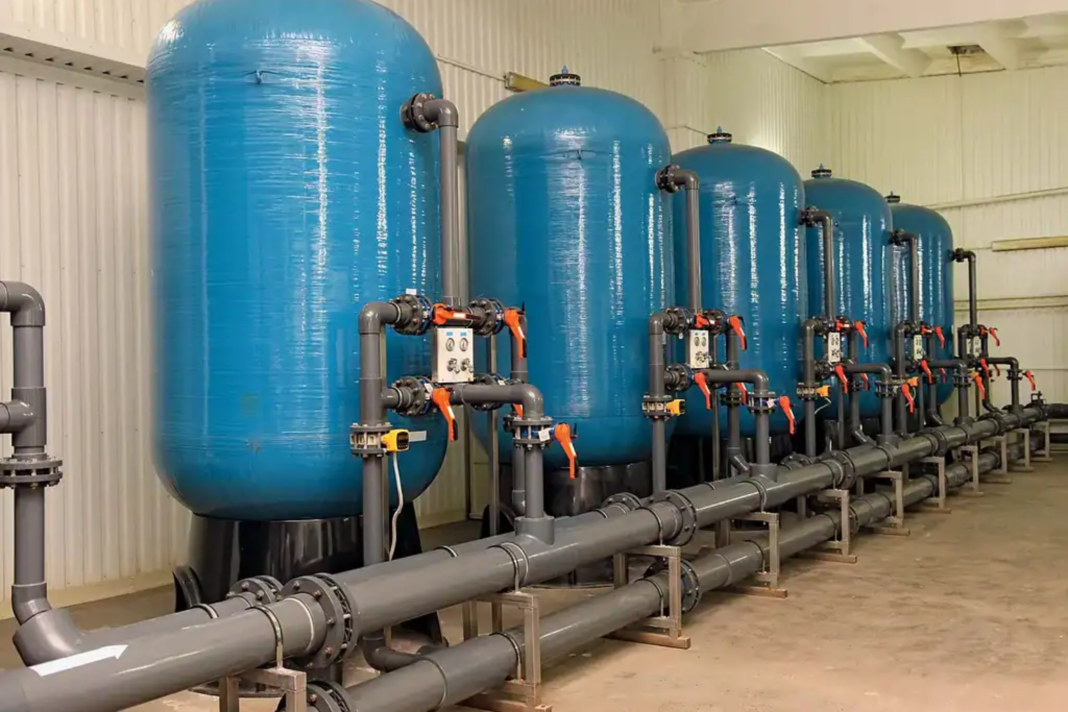
If you’ve ever researched filtration online, you’ve likely come across whole house water systems. These systems are installed at the point where water enters your home, filtering every drop before it reaches your taps.
It’s a shift in mindset.
Rather than thinking, “I want better drinking water,” you start thinking, “I want better water everywhere.”
And that can change more than you expect.
Showers feel gentler. Glassware dries clearer. Laundry requires less detergent. Even the air feels different when steam from the shower doesn’t carry a sharp chlorine scent.
Whole-house systems aren’t necessary for every situation. But in homes with significant hardness, sediment, or chemical odor, they can feel transformative.
The Appliance Angle
Water quality quietly affects the lifespan of your appliances. Hard water, in particular, leaves mineral deposits inside water heaters, dishwashers, and washing machines.
Over time, that buildup reduces efficiency and increases energy use. Heating elements work harder. Pipes narrow slightly as scale accumulates.
Treating water at the source helps protect those systems. It’s not just about comfort — it’s about prevention.
Replacing a water heater or major appliance isn’t cheap. Investing in better water management can extend their life significantly.
Starting With a Test
Before installing any system, testing your water is essential. It reveals hardness levels, sediment presence, chlorine concentration, and sometimes even trace metals.
Without that data, choosing equipment becomes guesswork.
A professional analysis helps you avoid overbuying unnecessary features or under-treating important issues. It allows solutions to be tailored rather than generic.
And that matters. Water varies dramatically by region — even by neighborhood.
Maintenance and Real-World Practicality
No system is maintenance-free. Filters need replacing. Softeners require salt refills. Occasional servicing ensures optimal performance.
But most modern systems are designed with user convenience in mind. Maintenance schedules are predictable. Components are accessible. It’s not a daily chore — more like seasonal upkeep.
Compared to constantly scrubbing scale from fixtures or troubleshooting appliance issues, it often feels manageable.
The Emotional Benefit
There’s something quietly reassuring about turning on the tap and not second-guessing what comes out.
You fill a glass for your child without hesitation. You cook without worrying about taste. You step into the shower without noticing chemical smells.
That confidence matters.
Water is foundational. It flows through nearly every routine in your home. Improving it doesn’t require a full renovation — just thoughtful evaluation and the right setup.
A Small Change With Long-Term Impact
We often prioritize visible upgrades — fresh paint, new countertops, updated lighting. But water treatment works behind the scenes, protecting plumbing and enhancing comfort without drawing attention.
If you’ve noticed persistent scale, odd taste, cloudy water, or dry skin after showers, it may be worth exploring your options.
Start simple. Test your water. Understand your specific challenges. Then choose a solution that aligns with your needs.
Because when the basics are handled — when water feels clean, balanced, and reliable — everything else in your home flows a little more smoothly.
And in the end, that quiet improvement might be one of the smartest investments you make.

