Home Blog Page 5

The Leaky Truth: Why Good Plumbing in Hobbs, NM Isn’t Just a Luxury — It’s a Lifesaver

0

Ever been jolted awake by the sound of water dripping… somewhere? Or maybe you’ve tiptoed into your bathroom only to discover a mini flood taking over your tile floor. Let’s be real: plumbing problems never come at a convenient time. And in Hobbs, New Mexico — where dry desert air meets hardworking households — reliable plumbing isn’t a bonus. It’s a necessity.

Whether you’re a homeowner juggling daily chores or a business owner trying to avoid downtime, knowing who to call when your pipes start groaning at 2 a.m. can make all the difference. But here’s the deal: not all plumbers are created equal.

Let’s dig into what makes plumbing in Hobbs more than just a wrench-and-pipe job—and why choosing local pros can be the smartest move you make all year.


Water Woes in a Dusty Town

Hobbs might be nestled in the semi-arid corner of New Mexico, but water problems still pop up more often than most folks expect. Just because we don’t get torrential rains doesn’t mean you’re off the hook for burst pipes, leaky water heaters, or clogged drains.

And when those problems do hit? They usually don’t give you much notice.

One day your shower’s flowing perfectly, the next you’re ankle-deep in backup water that smells… well, let’s just say not great. That’s where experience matters. You want someone who knows the area—who’s dealt with the unique challenges of plumbing in homes built in the ’60s and commercial spaces that get hammered with daily use.

The best solution? Getting help from master plumbers Hobbs NM residents trust. These aren’t your average pipe-fixers. These are trained, licensed, no-nonsense pros who’ve seen it all and fixed it all.


More Than Tools: What Makes a Good Plumber?

Anyone can show up with a toolkit and claim to fix your faucet. But you want more than that, right?

A quality plumber knows their way around local water codes, understands the aging infrastructure of Hobbs, and doesn’t leave until the job is done right—no half-baked quick fixes. We’re talking about someone who doesn’t just fix problems but explains them in plain English, so you’re not left scratching your head when they leave.

And let’s not ignore the trust factor.

Plumbers are often in your home when you’re not. You need someone who’s dependable, transparent about pricing, and won’t try to upsell you stuff you don’t need. That’s why homeowners are increasingly seeking out long-term relationships with the top plumbers in Hobbs NM instead of rolling the dice every time something breaks.


From Drips to Disasters: Services That Actually Matter

Plumbing issues don’t come in one-size-fits-all packages. Sometimes it’s a small nuisance like a dripping tap that’s slowly driving you insane. Other times, it’s a full-blown emergency like a sewer line rupture that’s about to cost thousands in repairs if not handled immediately.

Good plumbers offer flexible services—from 24/7 emergency calls to routine inspections. Here are a few jobs you definitely want a pro for:

  • Leak detection and repair
  • Water heater installation and maintenance
  • Drain cleaning (especially important in older Hobbs homes)
  • Sewer line repair
  • Fixture installations
  • Pipe replacements (copper, PVC, and beyond)

And let’s not forget, Hobbs gets its fair share of hard water. That means mineral buildup is a silent enemy. If your water pressure’s taken a nosedive, or your appliances seem to be aging faster than they should, your plumbing system might be begging for help.


Why Local Experience Counts

You might be tempted to call that big-name out-of-town plumbing franchise. But here’s the thing: local plumbers get Hobbs. They know the quirks of the soil, the patterns of wear in homes built during oil booms, and even how the city’s seasonal shifts affect water systems.

That kind of local expertise is priceless when you’re trying to avoid repeat issues.

Plus, when you work with a community-rooted plumbing crew, you’re not just buying a service. You’re investing in local business, supporting neighbors, and often getting better follow-up and customer care than you’d ever get from a national chain.

Many folks searching for plumbers Hobbs NM end up pleasantly surprised at just how skilled, courteous, and knowledgeable these local crews can be.


Plumbing Maintenance Is Cheaper Than Plumbing Emergencies

Let’s talk real for a second.

It’s easy to ignore that slow drain or the faint dripping under the sink. Life’s busy. Budgets are tight. And if water’s still flowing, how bad can it be, right?

Wrong.

Waiting often turns a $100 fix into a $1,000 emergency. Think burst pipes during a cold snap, or water damage creeping into your drywall because you didn’t deal with that subtle leak. The smart move? Regular check-ups.

Annual plumbing inspections can catch problems early and extend the life of your system. It’s peace of mind that pays for itself—especially when you compare it to the nightmare of emergency calls, water damage, or a failed hot water heater on a winter morning.


What to Look For in Your Next Plumbing Pro

Here’s a quick cheat sheet if you’re on the hunt for a solid plumber:

  • Licensing & Certification: Always ask. Always verify.
  • Reviews: Google, Yelp, and even good ol’ word of mouth go a long way.
  • Experience: Especially in Hobbs-specific challenges.
  • Emergency Services: You never know when things will go south.
  • Fair Pricing: Transparent estimates and no bait-and-switch.
  • Communication: Can they explain things clearly? Do they follow up?

Because when something goes wrong with your plumbing, you want a human on the other end of the phone—not a robot or voicemail maze.


Final Thoughts: It’s Not Just About Fixing Pipes

Plumbing isn’t glamorous. You’re not likely to show off your new copper pipes on Instagram. But when it’s working, your life runs smoother. And when it breaks? It can throw your whole day (or week) off track.

So if you’re in Hobbs, don’t wait for disaster to strike. Connect with the best, build a relationship, and breathe a little easier knowing that when things get wet and wild, you’ve got someone ready to fix it fast—and fix it right.

The Hidden Power in Your Pipes: Why Better Water Starts at Home

0

It’s funny, isn’t it? We obsess over what we eat, what we breathe, even what kind of chair supports our back at work—but ask someone about the water flowing through their home, and you’ll probably get a shrug.

We assume it’s clean. Safe. “Good enough.”

But what if the quality of that water was affecting more than just your dishes or shower pressure? What if it touched almost every part of your daily routine—your health, your appliances, your wallet—and you never noticed?

That’s the thing about water: when it’s great, it’s invisible. But when it’s off… you feel it.


The Not-So-Obvious Signs of Bad Water

We’ve all seen the classic signs: spots on glasses, dry skin, maybe a faint metallic taste that lingers after a glass of tap. But it goes deeper than that. Hard water can shorten the life of your water heater, mess with your laundry, and even hike up your energy bill.

Think about it. If your water heater is crusted with mineral buildup, it has to work overtime to do the same job. That means more wear and tear, more money out of your pocket, and more frustration down the line.

When folks start searching for water conditioning near me, it’s usually because the signs became too loud to ignore. But the truth is, you don’t have to wait for the warning signs to make a smart change.


Your Water Has a Story—And It’s Local

Not all water is created equal. The stuff flowing into your home is shaped by local sources, aging infrastructure, and treatment methods that vary wildly from city to city. Groundwater might carry different minerals than surface water. Older pipes may leach in elements you’d rather not think about.

That’s why one-size-fits-all solutions don’t work when it comes to water. Your home’s needs are specific—and a good provider will treat them that way.

The best home water services don’t just toss a filter on your sink and call it a day. They test. They analyze. They tailor systems to fit your water, your home, and your goals. Whether it’s softening, filtering, or conditioning—precision makes all the difference.


The Magic Behind Conditioning (It’s Not Just Softening)

Let’s bust a myth while we’re at it. Water conditioning isn’t just softening. Sure, softeners remove calcium and magnesium—that chalky residue you see on faucets and feel on your skin. But conditioning goes beyond.

Conditioners target contaminants like chlorine, iron, sulfur, and other dissolved solids that not only damage pipes and appliances but also mess with your taste buds and peace of mind.

It’s about more than just water that feels better—it’s water that performs better. For your plumbing. Your cooking. Your morning coffee. Even your dog’s bowl.


Infinite Benefits from Infinite Water

Now, here’s a name you might start hearing more: Infinite Water.

It’s not just a poetic phrase. It’s a growing movement toward sustainable, whole-home water systems that don’t just solve one problem—they elevate the entire experience.

The idea is simple: treat every drop before it touches your life. That means no more choosing between filtered drinking water and scratchy laundry. No more wondering if your kids’ bathwater is as clean as it should be.

Brands like Infinite Water are pushing the envelope—blending technology, eco-conscious design, and total customization into solutions that feel as thoughtful as they are powerful.

And let’s face it—once you’ve lived with truly great water, you’ll never want to go back.


What the Right System Can Actually Do For You

Let’s talk results—not promises.

A high-quality conditioning system can:

  • Extend the lifespan of your appliances (dishwashers, water heaters, washing machines)
  • Improve skin and hair texture
  • Reduce soap and detergent use
  • Eliminate odors or strange tastes from tap water
  • Prevent mineral buildup in pipes
  • Make coffee, pasta, and even veggies taste noticeably better

That’s not hype. That’s physics, chemistry, and plain old common sense working in your favor.


Buying Peace of Mind (And Maybe a Bit of Luxury)

Here’s a little truth no one tells you: great water makes your home feel… fancier.

Showers become spa-like. Glassware sparkles. You stop second-guessing every sip from the sink.

It’s not just about safety—it’s about comfort. Convenience. That quiet confidence that comes from knowing your home is working for you, not against you.

And yes, installing a full-house water conditioning system is an investment. But so is replacing appliances, calling a plumber every six months, or buying bottled water because your tap still tastes like a swimming pool.

Long term? The math checks out. The comfort? That’s immediate.


Questions Worth Asking Before You Choose

Thinking of taking the plunge? Smart. But don’t rush. Ask the right questions first:

  • Has your water been professionally tested?
  • Do you need softening, conditioning, or both?
  • Is the system scalable for future needs?
  • How easy is maintenance?
  • Is it eco-friendly? (Because wasting water to clean water doesn’t make much sense.)
  • What’s the warranty or service support like?

Look for local experts who treat your home like a unique puzzle—not just another job.


In the End, It’s About Quality of Life

Water isn’t just something that flows through your house. It’s in your tea, your showers, your rice, your skin. It’s with you all day, every day. So why not make sure it’s the best it can be?

You don’t need to move to the mountains or install a fancy waterfall in your foyer to feel the difference. Sometimes, it starts with a quiet fix behind the scenes—one that transforms how your whole home feels.

A Clear Choice: Why Clean Water Deserves More Than Just a Filter

0

There’s something deeply comforting about pouring yourself a glass of cold water—clear, crisp, and refreshing. We often take it for granted, that transparency, that purity. But the truth is, what looks clean isn’t always what is clean. And in a world where industrial runoff, ageing pipes, and questionable groundwater are part of the equation, relying on just the looks of it isn’t the smartest move anymore.

That’s why so many families, especially in urban and semi-urban areas, are turning their attention to water treatment. Not just to improve taste, but to protect their health. Because what’s in that water—those invisible elements—might be doing more harm than good.


The Problem with “Clean Enough”

Tap water, depending on where you live, might pass safety regulations but still carry traces of chlorine, lead, pesticides, or even microplastics. If you’ve ever noticed a faint metallic taste, a chlorine smell, or an occasional cloudiness that disappears after a few seconds—those are hints. Hints that your water isn’t exactly pristine.

And let’s be real: bottled water isn’t a great long-term solution either. It’s expensive, wasteful, and not always as “pure” as advertised. So, where does that leave you? At the doorstep of a smarter, longer-term answer.


The Growing Popularity of Home Water Filtration

Over the past decade, water filtration systems have gone from being a luxury to almost a necessity. And not without reason.

Unlike boiling, which doesn’t remove heavy metals or chemicals, or those cheap pitchers that barely do anything, a good filtration system tackles multiple threats. We’re talking about removing sediment, neutralising chlorine, filtering out heavy metals, and even dealing with bacteria and viruses depending on the system you install.

It’s peace of mind that sits right under your sink—or hooks up to your main line—and works quietly in the background while you go about your day.


Not All Filters Are Created Equal

Now, here’s where things get a little technical—but stick with me. There’s no one-size-fits-all solution when it comes to water filtration. Some homes are dealing with hard water full of calcium and magnesium; others have traces of arsenic or nitrates. Some families just want better-tasting water for their coffee and tea. Others are more concerned with long-term health impacts.

From reverse osmosis systems and UV purifiers to activated carbon filters and sediment cartridges—each has its role. The key is understanding your water source and choosing a solution tailored to your needs.

And that’s where aclear system comes into play. Whether you’ve got municipal water or well water, a modular solution like aclear’s can be customised to treat your specific problems—without overdoing it or breaking the bank.


What Is aclear, Really?

It’s more than just a brand. It’s a philosophy, an approach. The aclear system is designed not just for maximum filtration but also ease of use and sustainability. Most homeowners don’t want to deal with bulky machines, noisy filters, or complex maintenance.

With a sleek, compact design and a focus on modular cartridges (think of them like plug-and-play), aclear offers something intuitive. You don’t need to be a plumber or a chemist to operate it. And that’s kind of the point—it’s designed for real people with real concerns.

But the real magic? The results. You notice the difference. In the water you cook with, in the tea you sip, and most importantly, in the peace of mind that comes with every glass.


Getting A Clear View of What Matters

Beyond product names and tech specs, let’s zoom out for a second. There’s a deeper message here. Clean water isn’t just about hydration. It’s about health, dignity, and basic human rights. And in your own home, it’s about protecting your family—even if that means installing a clear line of defense between them and harmful contaminants.

Construction Dumpster Rental Near Me: A Contractor’s Practical Guide

0

If you’re typing construction dumpster rental near me because a project is about to kick off (or debris is already piling up), this guide will help you choose the right container, keep the site safe, and stay on budget. At Junk Rescue AZ, we work with homeowners, GCs, and trades every day. Our approach is simple: match the bin to your materials, schedule it to your crew’s pace, and make the rules clear so there are no surprises on pickup day.

What “Construction” Changes About a Dumpster Rental

Construction debris isn’t the same as a weekend garage cleanout. Job sites move fast, materials get heavy, and space is tight. That’s why we frame your rental around six key realities:

Material density: Shingles, tile, plaster, brick, dirt, and concrete are heavy even when the bin looks half full.

Volume swings: Framing scrap and drywall are bulky and light, great for tall containers where weight is rarely the limiter.

Crew schedule: You need predictable delivery windows, reliable swap-outs, and clear access so labor isn’t waiting on a truck.

Site constraints: Driveways, alleys, or busy streets require thoughtful placement and sometimes permits.

Safety: Level loads, clean approaches, and overhead clearance protect people and property.

Documentation: A clean invoice lists base rate, rental window, included weight, and what can add cost.

Choosing the Right Size (by Project Type)

Dumpster sizes are measured in cubic yards (volume). While dimensions vary by manufacturer, here’s a practical match-up for construction work. If you’re between two sizes and expect overflow, stepping up is usually cheaper than paying for a second haul and losing crew time.

10–15 Yard (tight spaces, targeted demos)
Best for: Single-bath demo, small kitchen tear-out, light roofing on a modest home, punch-list runs.
Why it works: Fits short driveways and narrow alleys; low walls make hand loading easier.
Watch-outs: Tile and shingles climb toward weight limits fast.

20 Yard (the residential workhorse)
Best for: Whole-room gut jobs, multi-trade remodels, bulky cabinetry, moderate roofing, siding tear-offs.
Why it works: Balanced volume for 6–8 pickup loads; manageable footprint for most driveways.
Watch-outs: Dense debris can max weight before volume; call out heavy materials in the quote.

30 Yard (fewer swap-outs on active sites)
Best for: Multi-room renovations, estate rehabs, light commercial refreshes, steady framing/drywall cycles.
Why it works: Taller sides capture bulky, light debris; fewer interruptions for busy crews.
Watch-outs: Hand loading over tall walls is harder, use the back door and stage heavy pieces first.

40 Yard (large projects, commercial and new builds)
Best for: Big rehabs, commercial interiors, new construction with packaging and drywall scraps.
Why it works: One container to cover large phases; less traffic in and out of the site.
Watch-outs: Requires room and overhead clearance; not ideal for dense materials.

Match the Bin to Your Materials (Weight vs. Volume)

Roofing: Share roof squares and number of layers. A 10–20 yard can fit the volume, but weight sets the allowance.

Tile & plaster: Dense and deceptive. Plan for weight early; mixing with light debris can trigger overage.

Concrete, brick, dirt: Consider a dedicated heavy-material run. Short, clean loads are often more cost-effective than mixing.

Drywall & framing: Bulky but light, great candidates for 30–40 yard bins.

Mixed demo: A 20–30 yard gives flexibility; protect budget by keeping known heavy items separate.

How Pricing Is Structured (and How to Keep It Predictable)

Every clean quote should list:

  • Base rate by size: Delivery, placement, pickup, and a standard rental window (often 5–7 days).
  • Included weight (tonnage allowance): The landfill scale ticket is the final word; we’ll help estimate.
  • Time on site: Extra days available, best scheduled in advance.
  • Possible add-ons: Overweight, extra days, special items (tires, appliances with refrigerant), or street permits if required.

Cost-steadying tips:

  • Tell us about heavy materials up front (shingles, tile, concrete, dirt).
  • Book the right window for your crew’s pace; pre-stage debris to use the time well.
  • If a phase will clearly overfill, plan a mid-week swap rather than forcing a single overstuffed bin.

Placement That Saves Time (and Protects Property)

A two-minute site check pays off:

  • Approach path: Trucks need a straight approach to lower the container safely. Move vehicles and clear tight turns.
  • Overhead clearance: Watch low branches, carports, and power lines.
  • Surface protection: Boards or pads help on new asphalt, pavers, or decorative concrete.
  • Visibility & workflow: Place the bin near the demo path without blocking trades, deliveries, or egress.
  • Street placement: Some cities require a permit or limit hours. We’ll flag requirements before delivery.
  • HOAs & neighbors: Quick notices reduce complaints, especially on longer projects.

Load Like a Pro (Crew-Tested Habits)

  • Use the back door: Walk in heavy items first to stabilize weight, then stack lighter debris.
  • Layer and nest: Lay flat items (doors, panels) on the bottom; fill gaps with offcuts; stack soft goods last.
  • Break down bulk: Cut long pieces and disassemble cabinets so they pack tight.
  • Stay level with the rim: Heaped loads can’t travel safely; the driver must refuse them.
  • Stage by phase: Keep a staging zone near the bin so trades aren’t carrying through bottlenecks.

Scheduling That Respects the Job

  • Delivery windows: Early-day drops keep crews productive. If inspections are planned, align pickup to clear the driveway in time.
  • Swap-outs: For fast cycles, line up a swap ahead of time; a 10-minute exchange beats waiting half a day.
  • Off-hours options: Where permitted, early morning or late-day drops reduce traffic and neighbor impact.
  • Weather pivots: If rain changes demo timing, a quick schedule shift avoids idle bins and extra days.

Compliance, Recycling, and Cleaner Invoices

  • Prohibited items: Paints, solvents, batteries, and appliances with refrigerant follow special rules. Ask before tossing; we’ll provide safe alternatives.
  • Contamination: Mixing certain materials can add sorting fees. If you’re separating clean concrete, metal, or wood, tell us, we’ll support it.
  • Documentation: Keep the quote, permit (if any), and pickup confirmation handy. We provide photo confirmations on request.

Common Mistakes (and Our Quick Fixes)

  • Ordering on guesswork: Photos or a “pickup-loads” estimate lets us right-size the bin without hedging.
  • Ignoring weight on “small” demos: A single bathroom with tile can push tonnage; the fix is better upfront planning, not a surprise later.
  • Under-planning swap-outs: If the crew is fast, schedule the swap during lunch or between phases.
  • Placing under trees or wires: Measure overhead space, height matters as much as length.
  • Waiting to book pickup: Set pickup at delivery; reschedule only if the phase slips.

Quick Contractor Checklist (Copy/Paste)

  • Project scope: rooms/phases and expected debris types
  • Delivery & pickup windows aligned to crew/inspections
  • Materials flagged as heavy (shingles, tile, plaster, concrete, dirt)
  • Placement picked with approach and overhead clearance verified
  • Permit/HOA checked if using street placement
  • Swap-out plan if the phase is high-volume
  • Contact on site for delivery questions

FAQs We Hear on Construction Jobs

How fast can you deliver?
Often next-day; early calls get the best windows. For tight timelines, we’ll confirm the earliest available slot.

Can the bin be moved after placement?
Please don’t. Dragging can damage surfaces and the container. Call us if you need a reposition.

What if the bin fills sooner than expected?
Request a swap, we’ll remove the full container and set a fresh one so work continues without a pause.

Do we need to be on site for delivery?
Not always. If the spot is clearly marked and access is open, we can place it and text a photo confirmation.

Conclusion

When you search construction dumpster rental near me, you’re really asking for a partner who keeps your crew moving: the right size for your materials, scheduling that matches your phases, clear placement, and a clean invoice. That’s what Junk Rescue AZ delivers, dependable rentals, transparent pricing, and on-time service that respects your project’s pace. Learn more at https://junkrescueaz.com/ and get your next container booked today.

A Complete Guide to Hanex Colors for Modern Interiors

0

When it comes to creating a home or commercial space that feels both inviting and timeless, surface materials play an important role. We’ve worked with countless homeowners and designers who want surfaces that not only look beautiful but also perform well in daily use. That’s why we recommend Hanex colors from Hyundai L&C. They bring together style, durability, and versatility, making them a smart choice for a wide range of projects.

In this guide, let’s walk through everything you need to know about choosing the right colors, pairing them with your design vision, and making them last for years to come.

Why Color Matters in Your Interior Design

Color is one of the most powerful tools in design. It influences mood, defines style, and brings together different elements of a room. Whether you’re designing a bright, lively kitchen or a calming spa-like bathroom, your choice of surface color sets the foundation.

We’ve seen clients lean toward lighter tones when they want an airy, open feeling, while others choose darker tones to create a sense of depth and sophistication. Neutral colors, on the other hand, remain popular for their ability to adapt to any theme over time.

Understanding the Variety in Hanex Colors

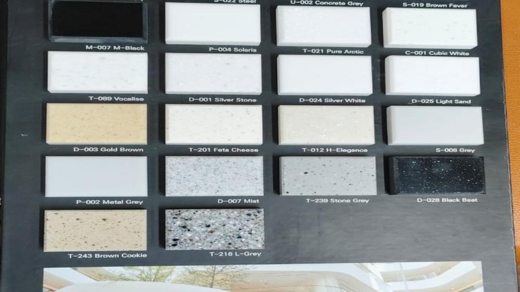
What makes these surfaces unique is the wide variety of shades and patterns available. Hanex offers:

  • Whites and Creams – Clean, classic, and ideal for modern or minimalist interiors. These work especially well in kitchens and bathrooms where brightness matters.
  • Earthy Neutrals – Warm beiges, taupes, and greys bring comfort and balance. They’re great for open living spaces and pair beautifully with wood or natural stone.
  • Bold Shades – Rich blues, greens, and other saturated hues make a statement. Perfect for accent areas or commercial projects where character is key.
  • Marble-Inspired Designs – If you want the elegance of stone without the maintenance, these designs give you the best of both worlds.

The beauty of having this range is that you can choose surfaces that reflect your personal style without sacrificing practicality.

Pairing Colors with Design Styles

Every design style has its own color story. Choosing the right surface shade helps you tie your look together effortlessly. Here are a few pairings we’ve found work really well:

  • Modern Minimalism – Stick with crisp whites or soft greys. Pair them with stainless steel or matte black finishes for a sleek aesthetic.
  • Coastal Comfort – Light blues and sandy neutrals create a breezy, relaxed atmosphere. Add white cabinetry and natural wood accents to complete the look.
  • Classic Elegance – Marble-inspired designs with soft veining in grey or beige give a timeless, upscale appearance. These fit beautifully in formal kitchens or bathrooms.
  • Industrial Chic – Dark greys and bold shades complement exposed brick, metal fixtures, and urban-inspired design themes.

By choosing colors thoughtfully, you can bring your space to life while ensuring it feels consistent and purposeful.

Durability That Supports Your Design Choices

Of course, color is only part of the equation. One of the main reasons we recommend Hanex solid surfaces is their durability. These materials resist scratches, stains, and impact, which means the colors you choose will keep looking fresh even after years of use.

Whether you’re placing them in a high-traffic kitchen, a commercial workspace, or a family bathroom, the combination of style and strength makes them practical as well as beautiful.

Creating a Coordinated Look

When working with clients, we often suggest thinking about color in layers:

  1. Primary Surface Color – This is the foundation, such as countertops, bathroom vanities, or reception desks.
  2. Complementary Colors – Cabinetry, flooring, and wall paint should harmonize with the primary shade.
  3. Accents and Finishes – Fixtures, backsplashes, and decorative pieces add personality and contrast.

By keeping these three layers in mind, it becomes much easier to achieve a cohesive look. For example, if you choose a white marble-inspired surface, pairing it with soft grey cabinets and brushed nickel fixtures creates harmony without being overwhelming.

Maintenance Tips to Preserve Color

Another key factor in choosing surfaces is how easy they are to care for. With Hanex, maintenance is straightforward, but there are still a few best practices worth following:

  • Daily Cleaning – Use a mild soap and water solution. Avoid abrasive cleaners that could dull the finish.
  • Preventing Stains – Wipe spills promptly, especially with dark or acidic substances.
  • Avoiding Excessive Heat – Use trivets or pads to protect surfaces from hot cookware.
  • Polishing When Needed – Over time, a simple polish can restore the original luster and keep colors looking sharp.

With these habits, your chosen shade will maintain its appeal long after installation.

Inspiration for Different Spaces

Here are a few ways clients often use Hanex colors in real projects:

  • Kitchens – Bright whites or marble-inspired surfaces make the room feel clean and welcoming. Darker shades create bold contrast against light cabinetry.
  • Bathrooms – Soft neutrals and spa-like tones add tranquility. We’ve also seen deep shades used for a luxurious, boutique-hotel vibe.
  • Commercial Interiors – Bold shades or patterned designs help businesses stand out while maintaining durability in high-use environments.
  • Living Areas – Earthy tones and warm neutrals bring comfort, blending seamlessly with natural décor elements.

Each of these spaces benefits not only from the look of the colors but also from their ability to handle daily demands.

Why We Trust This Brand

When recommending products to clients, we look for a combination of style, quality, and trustworthiness. Hyundai L&C delivers on all three. Their surfaces are designed with attention to detail, tested for durability, and offered in a range that truly supports creativity.

By choosing these materials, you’re not just selecting a color—you’re investing in a solution that brings value to your project.

Final Thoughts

Color is one of the most important choices you’ll make in your interior design journey, and surfaces are at the heart of it. With the variety and durability of Hanex colors from Hyundai L&C (https://hyundailncusa.com/), you have the tools to create a space that reflects your style and stands the test of time. Whether you lean toward bright and modern, soft and neutral, or bold and expressive, the right surface choice can help you achieve your vision with confidence.

When Your Home Relies on Machines: The Story of Trust, Repairs, and Everyday Comfort

0

There’s a strange kind of comfort that comes from hearing the quiet hum of your fridge late at night, or the rhythmic swish of your washing machine on a Sunday afternoon. We don’t always notice these things, but our homes are full of tiny helpers—machines that quietly make modern life possible. And when one of them suddenly gives up? It’s chaos. You don’t realize how deeply you depend on them until your morning coffee turns into a cold-brew experiment because your microwave decided to quit.

That’s when most of us enter panic mode. We start searching, calling, comparing, wondering if it’s even worth fixing. But beneath that frustration lies a simple truth: appliances aren’t just machines. They’re part of the rhythm of daily life, holding together the messy, beautiful routine we all rely on.


The Convenience We Take for Granted

Think about it—our lives are practically built around reliable appliances. From the dryer that saves us from endless clotheslines to the dishwasher that gives us back an hour of peace each evening, these are the quiet cornerstones of comfort. Yet, when one malfunctions, it throws everything off balance. That’s where professional help from a trusted appliance connection can make all the difference.

The right service isn’t just about fixing what’s broken. It’s about restoring that sense of order, that ease we barely notice until it’s gone. The truth is, most people wait too long before reaching out. They’ll try DIY fixes, watch a dozen YouTube tutorials, and then finally—usually at the worst possible time—call an expert. But a dependable appliance technician doesn’t just bring tools; they bring peace of mind.


Why Repairing is Sometimes Better Than Replacing

In a world that constantly pushes us to buy new, there’s something refreshingly smart about choosing repair over replacement. Sometimes, a small fix can add years to the life of an appliance that still has plenty left to give. Local professionals who specialize in appliance repair hoover al often understand this better than anyone. They know how to balance practicality with cost-effectiveness, guiding homeowners toward the right decision.

A good repair service doesn’t just swap out parts—it restores trust. It helps you feel confident that your investment is still worthwhile. And honestly, there’s a small joy in seeing your old washing machine spin again, or hearing your oven’s timer beep like it used to. It’s like reviving a piece of your daily routine.


The People Behind the Wrenches

One of the things people often forget about appliance repair is that it’s not just a technical trade—it’s a deeply human one. When your refrigerator stops cooling or your dryer won’t spin, the person who shows up isn’t just fixing a machine; they’re rescuing your day. These technicians see it all—the panicked calls before holiday dinners, the rushed repairs before guests arrive, the sighs of relief when everything finally starts working again.

That’s what separates a good service from a great one. It’s not just about mechanical skills but empathy, reliability, and communication. The best repair professionals know how to explain the issue in simple terms, offer honest estimates, and stand behind their work.


The Digital Age of Home Solutions

Today, finding the right service isn’t a guessing game anymore. We live in an age where everything’s a click away. Websites like applianceconnection.com make it easier for people to compare, explore, and order the parts or services they need. But even online, it’s not just about price or speed—it’s about trust. Reviews, experiences, and word-of-mouth still matter more than fancy marketing.

These platforms have become the bridge between homeowners and experts, helping people solve problems before they spiral. From installation guides to replacement parts and professional assistance, the digital side of home repair has grown into a community of shared reliability. It’s like having a friend who always knows the right person to call.


The Emotional Side of Everyday Machines

It might sound silly, but there’s an emotional thread running through our relationship with home appliances. They’re tied to moments—morning coffee rituals, Sunday family dinners, or that late-night laundry run before a trip. When one breaks, it’s not just about inconvenience. It disrupts the little routines that make life feel steady.

Repairing, therefore, isn’t just practical—it’s emotional maintenance too. It restores normalcy, predictability, and the feeling that your home is running smoothly again. And when you find a service that gets that—one that treats your broken oven or washer like something worth saving—it’s a rare kind of relief.


Lessons from a Broken Machine

If you’ve ever been without a key appliance for even a day, you already know how much we rely on them. But maybe that’s the lesson in all this: to appreciate the invisible comfort they provide and the people who keep them running. A small fix, a reliable service call, a trusted technician—all these things quietly hold up the structure of everyday life.

In the end, it’s not about the brand or the model; it’s about reliability. It’s about knowing that when something breaks, you have someone to call who’ll show up, do the job right, and leave you with more than just a working appliance—they leave you with restored peace.


Closing Thoughts

Life moves fast, and so do the demands of keeping a home running. Whether it’s your first apartment or a family home full of memories, the appliances inside are the silent partners that make it all manageable. So next time one of them acts up, don’t just see it as a nuisance. See it as a reminder of how much modern convenience shapes your life—and how valuable it is to have trusted professionals ready to help.

Because in the end, it’s not about machines—it’s about the comfort they create, the time they save, and the lives they quietly make easier.

When Your Water Isn’t Quite Right: How to Keep It Pure, Fresh, and Flowing Smoothly

0

If you’ve ever poured yourself a glass of water and hesitated for a second — maybe because it didn’t taste quite right, or because you noticed a faint smell — you’re not alone. It’s something many homeowners experience. Water is such an ordinary thing that we often take it for granted, but when it’s off, it suddenly feels like a big deal. The good news? You don’t have to live with it. Let’s dive into how to keep your home’s water system healthy, reliable, and crystal clear.


When “Pure” Water Isn’t So Pure

Most people think the water coming out of their tap is automatically safe. And to be fair, in many places, it is. But “safe” doesn’t always mean “ideal.” Minerals, contaminants, and old pipes can quietly change the quality of your water over time. Sometimes, the culprit isn’t the city’s supply — it’s your own system.

That’s where reverse osmosis system repair comes into the picture. Reverse osmosis (RO) filters are fantastic at removing impurities — things like chlorine, lead, and sediment — but like anything mechanical, they need care. Filters clog, membranes wear out, and leaks develop. Ignoring those little signs (a slower flow, odd taste, or low water pressure) can mean your RO unit isn’t doing its job. A quick repair or part replacement can bring that refreshing, clean taste back to your glass.


The Local Side of Water Quality

Water isn’t the same everywhere. The flavor, clarity, and even smell of it can vary from town to town. Take stony brook water, for instance. The local supply is known for being relatively clean, but it still carries trace minerals that might affect taste or leave behind faint residue on fixtures. Some people love the “natural” character of their local water, while others prefer filtered or softened versions.

What matters most is understanding what’s in your water. A simple test kit — or a quick visit from a technician — can tell you a lot. You’ll learn about pH balance, hardness, and contaminants. Once you know, it’s easier to decide whether you need filtration, softening, or just routine maintenance.


The Hidden Workings of a Home Water System

Inside your home, your plumbing and filtration setup are constantly at work behind the scenes. The pipes carry water from your main line, through filters, into your faucets and appliances. Most of us don’t think about it until something goes wrong. A slight metallic taste, cloudy glassware, or scale on your kettle — those are small hints from your system asking for attention.

When your water system gets regular check-ups, it runs longer and better. Think of it like maintaining a car. You wouldn’t drive 100,000 miles without changing the oil, right? It’s the same with filters and softeners. Neglect can lead to low flow, poor taste, and even costly repairs later on.


Community and Connection Through Water

It’s easy to forget how connected we are through something as simple as water. The taps, treatment plants, and underground lines form a quiet web tying neighborhoods together. Towns like Massapequa, for instance, have long histories of paying attention to the quality of their local supply. That’s one reason why discussions about drinking water massapequa keep surfacing in community meetings and local forums. People want to know what’s in their water, and they want reassurance that it’s healthy.

That concern is valid. Over time, environmental factors — aging infrastructure, rainfall patterns, industrial runoff — all affect what eventually flows from your tap. Staying informed helps. Reading your community’s annual water quality report or having your own system tested once a year can make a real difference.


Common Water Problems (and What to Do About Them)

Let’s be honest — most of us notice water issues only when they become annoying. Here are a few telltale signs that something’s up:

  • Cloudy or milky water: Often caused by air bubbles or mineral buildup. If it clears after a few seconds, it’s usually harmless.
  • Metallic or bitter taste: Could point to corroded pipes or failing filters.
  • White spots on dishes: Hard water. A softener can fix that easily.
  • Rotten-egg smell: Likely sulfur bacteria or magnesium reacting with your water heater. Not dangerous, but definitely unpleasant.

Each of these signs tells a story about what’s happening inside your system. Don’t ignore them — small problems have a way of turning into expensive ones later.


Why Regular Maintenance Matters

The beauty of good water systems is that they’re low-maintenance — until they’re not. Filters should be replaced on schedule, tanks cleaned periodically, and connections checked for leaks. If you have an RO unit or softener, set reminders every six months to inspect or service it.

Professional maintenance might sound unnecessary when everything “seems fine,” but it prevents those surprise breakdowns. A technician can spot worn parts or buildup that you’d never notice until it’s too late.


Water Is More Than Just a Utility

There’s something comforting about pouring a clean glass of water at the end of a long day. It’s one of those tiny, quiet pleasures we rarely think about — until the taste changes, the pressure drops, or the clarity fades. Whether you’re in a big city or a smaller community like Stony Brook or Massapequa, the principle’s the same: take care of your water, and it’ll take care of you.


Closing Thoughts

We live in a world where so many things feel complicated, yet clean water remains one of the simplest, most grounding essentials. Maybe that’s why when something feels “off” about it, it unsettles us more than we expect.

The fix doesn’t always require a full system overhaul. Sometimes, it’s as simple as replacing a filter, repairing a small leak, or scheduling a service call. A little attention goes a long way toward keeping your system running quietly and your glass full.

If your water ever feels different — tastes metallic, smells odd, or looks cloudy — don’t shrug it off. The solution might be just a service away. After all, water isn’t just what keeps your home running; it’s what keeps you running.

Understanding the Art and Logic Behind an Interior Design Contract

0

There’s something oddly poetic about design work. It’s creative, it’s personal, and it’s full of passion. But when money, time, and expectations enter the picture, things can get tricky. That’s where paperwork steps in — not the fun part of design, but perhaps the most important one. Every stunning home renovation, office redesign, or boutique transformation has something quietly powerful behind it: an interior design contract.

Most people don’t get excited about contracts. They sound dull, right? Legal language, endless pages, clauses that make your eyes glaze over. But here’s the truth — a well-written contract isn’t about red tape. It’s about clarity. It’s a compass that keeps both designer and client aligned when the creative chaos of design begins.


Setting the Foundation for Trust

A contract in design is really a conversation written down. It captures what both sides have agreed upon: what will be done, by when, and for how much. Without one, even the most talented designer can get tangled in misunderstandings — and the most trusting client can feel lost.

A good contract sets the mood of the project just as much as the color palette or furniture selection. It’s not meant to limit creativity; it’s meant to protect it. When expectations are clear, creativity flows more freely. Designers can focus on design rather than damage control.


Why Every Designer Needs an Interior Design Agreement

Let’s be honest — no one starts a project expecting things to go wrong. But design is full of surprises. Maybe materials get delayed. Maybe the client decides halfway through that they prefer Scandinavian minimalism over modern glam. Maybe there’s a miscommunication about installation fees. This is where a formal interior design agreement quietly saves the day.

It’s the safety net that ensures everyone knows their role. It outlines payment schedules, deadlines, responsibilities, and what happens if the unexpected occurs. A good agreement doesn’t kill trust; it builds it. It shows that you, as a designer, are serious, professional, and transparent.

Think of it as the mood board of your working relationship — structured, organized, and full of intention.


Breaking Down What’s Inside

You’d be surprised how many parts make up a solid design contract. It’s not just a single page with signatures. A professional contract usually includes:

  • Scope of Work: A clear description of the services offered — from concept drawings to final installation.
  • Timeline: When the project begins, the key milestones, and an estimated completion date.
  • Payment Terms: How and when payments will be made (and what happens if they aren’t).
  • Purchasing Policy: Who buys what — the designer or the client — and how procurement is handled.
  • Revisions & Changes: How alterations are managed when the client changes their mind.
  • Termination Clause: What happens if either party needs to step away from the project.

When you think about it, it’s less about control and more about communication.


The Fine Line Between Creativity and Business

Interior design is an art, but it’s also a business. And businesses need structure. The challenge lies in balancing artistry with accountability. That’s what a contract interior design document does beautifully when written with care.

It’s not about handcuffing the designer’s imagination — it’s about giving it space to breathe safely. When you don’t have to worry about “what ifs,” your creative brain can focus entirely on what matters: creating beauty that feels effortless and timeless.

Clients, too, appreciate that professionalism. They feel secure knowing that timelines, budgets, and deliverables aren’t just floating promises but written commitments.


Common Mistakes Designers Make

One of the biggest errors new designers make is relying on handshake deals or vague email threads. Those can work for small, one-room projects, but not for anything complex. Even among friends, money and design can become emotional.

Another pitfall is copying someone else’s contract template without fully understanding it. Every project is unique. Every designer has a different workflow, pricing method, and creative process. The best contracts are personal — tailored to how you work and communicate.

And then there’s the “I’ll do it later” mindset. Many designers delay formalizing paperwork until halfway through the project. By that time, it’s often too late. The damage — or confusion — is already done.


Keeping It Human

Here’s something most lawyers won’t tell you: contracts don’t have to sound robotic. Sure, they need to be legally sound, but they can still feel human. The tone can be friendly yet firm. The language can reflect who you are as a designer — confident, creative, and fair.

A touch of empathy goes a long way. Instead of burying your client in jargon, explain things simply. Make them feel part of the process. When people understand what they’re signing, they respect it more.


Updating and Adapting

Just like design trends evolve — think open shelving, Japandi tones, or curved furniture — contracts should evolve too. The way people work, communicate, and collaborate keeps changing. New tools, remote consultations, digital approvals — all these need to be reflected in your contract.

Review your agreement every few months. Add clauses about intellectual property (because your designs are your creations). Mention social media usage rights if you plan to post photos of the project. Adjust payment terms based on your current pricing structure.

It’s not about chasing perfection; it’s about staying relevant.


Wrapping Up

At its heart, a contract is an expression of mutual respect. It’s a promise written in ink that says, “I value your time and creativity as much as mine.” When both designer and client feel protected and understood, the project turns into a true collaboration — not a tug of war.

So, before you dive into your next big design journey, take the time to craft a contract that feels like you. Not too stiff, not too loose — just right. Think of it as the frame that holds your creative masterpiece together. Because when structure and artistry meet, beautiful things happen — not just in spaces, but in working relationships too.

Happy Clean Dublin Gives 6 Valuable Tips For Carpet Cleaning

0

Keeping carpets spotless isn’t just about appearance—it’s about creating a healthy, cozy space where you can walk barefoot without a second thought. Over time, carpets collect dust, pollen, pet dander, and even bacteria. That’s why proper cleaning routines are essential, not optional. Happy Clean Dublin, a trusted name in Ireland’s cleaning scene, has built a reputation for helping households restore their carpets to that “freshly installed” look.

Why Carpet Cleaning Matters

Carpets are like silent filters, trapping dust, allergens, and debris that float around your home. While this keeps your indoor air cleaner for a while, those fibers eventually reach their limit. When left untreated, they become a breeding ground for dust mites and unpleasant odors. Regular cleaning doesn’t just enhance the look—it boosts indoor air quality and extends your carpet’s lifespan.

Beyond health benefits, clean carpets also affect how your home feels. A freshly cleaned floor softens the entire atmosphere, making rooms feel more inviting and comfortable. Plus, it saves money in the long run, since well-maintained carpets don’t need to be replaced as often.

The Specific Context of Dublin Homes

Dublin’s climate brings its own cleaning complications—frequent rain and mild humidity make carpets quick to absorb moisture, leading to potential mold or mildew if not properly maintained. Add in the daily grind of city life—kids, pets, and shoes tracking in grime—and you’ve got a recipe for stubborn stains and dull-looking floors.

Happy Clean Dublin tailors its cleaning methods to this environment, emphasizing quick spill management and proper drying techniques. Their local experience gives them a practical edge: they know how to handle Irish weather’s effects on indoor fabrics. Following their carpet cleaning tips ensures your home not only looks fresher but also stays healthier, even during damp seasons.

Carpet Cleaning Tip #1 – Vacuum Thoroughly and Regularly

Vacuuming might sound basic, but it’s the foundation of every effective carpet care routine. When done right, it prevents dirt from embedding deep into the fibers—where it becomes much harder to remove. Most people give their carpets a quick once-over, but Happy Clean Dublin stresses the word thoroughly. That means moving furniture, using proper attachments, and vacuuming slowly enough for the suction to lift hidden dust and grit.

Dirt acts like sandpaper against carpet fibers. Each step you take grinds it deeper, gradually wearing out the material and dulling its color. Regular vacuuming—at least twice a week for high-traffic areas—keeps this abrasive debris in check. Think of it as routine maintenance for your carpet’s health. A few extra minutes per session can literally add years to your flooring’s life while keeping your indoor air cleaner and fresher.

What “Thoroughly” Really Means for Carpets cleaning

Vacuuming thoroughly isn’t about speed—it’s about precision. Start by dividing your room into sections and move the vacuum slowly over each one, overlapping strokes to ensure you’re not missing any debris. Pay special attention to corners and baseboards where dust collects easily.

Use the brush-roll or beater bar for synthetic carpets, as it helps lift embedded dirt, but switch to a suction-only mode for delicate or wool fibers to avoid fraying. Don’t forget to clean the vacuum filter regularly; a clogged one can cut suction power in half. These small, mindful steps make all the difference between “looking clean” and being clean.

Frequency and Pattern for Best Results

How often should you vacuum? That depends on your lifestyle. Busy households with pets or kids should aim for every other day, while smaller, low-traffic homes can get by with once or twice a week. High-traffic zones like hallways and living rooms deserve extra attention—go over them twice per session using a crisscross pattern.

This back-and-forth, side-to-side technique loosens dirt from multiple angles, allowing your vacuum to capture more particles in fewer passes. Following this rhythm not only improves cleanliness but also maintains your carpet’s fluff and color vibrancy. Over time, this habit reduces the need for frequent deep cleans and preserves your carpet’s luxurious feel.

Carpet Cleaning Tip #2 – Treat Spills and Stains Immediately

When it comes to carpet stains, speed is everything. The longer a spill sits, the deeper it seeps into the fibers and padding beneath. Happy Clean Dublin recommends acting the moment an accident happens—whether it’s coffee, wine, or muddy footprints from a rainy Dublin day. Quick action prevents permanent discoloration and saves you from those frustrating dark spots that never seem to come out later.

Blotting, not rubbing, is the golden rule. Use a clean, absorbent cloth or paper towel to gently lift as much liquid as possible. Rubbing only spreads the stain and damages the carpet fibers. Once the surface moisture is gone, treat the area with a mild cleaning solution suitable for your carpet type. Even warm water alone can do wonders if used promptly. The key is to act fast but smart, keeping the stain from becoming a long-term resident.

Why Acting Fast Matters

Carpet fibers act like tiny straws—they absorb liquids quickly. The longer a spill sits, the more time it has to bond with the fabric’s dye or backing, creating a stubborn mark. Quick action interrupts that process before it sets. Imagine dropping red wine on your carpet and walking away for an hour; by the time you return, that stain has likely soaked through layers, making removal far tougher.

Fast treatment also prevents odors from developing, especially with organic spills like milk or pet accidents. Acting immediately keeps your carpet fresh, bright, and bacteria-free. Even if you plan to call a professional later, doing basic first aid on a stain can make their job—and your bill—much lighter.

Best Spot-Treatment Techniques for carpet cleaning

When spot-treating, always start simple. Mix a small amount of mild dish soap with warm water, then test it on an inconspicuous area first to ensure it doesn’t fade the color. Use a spray bottle to lightly mist the stain, then blot gently with a clean cloth, working from the outer edge toward the center to prevent spreading.

For stubborn stains like wine, coffee, or pet urine, apply a mix of white vinegar and water in equal parts. Vinegar neutralizes odors and helps lift pigments from the fibers. Never soak the carpet—too much moisture can lead to mildew. Once the stain is gone, rinse the area with clean water and blot dry with a towel. If needed, place a fan nearby to speed up drying and avoid lingering dampness.

Carpet Cleaning Tip #3 – Choose the Right Cleaning Solution for Your Carpet Type

Not all carpets are created equal—and neither are cleaning products. One of the most common mistakes homeowners make is using the wrong solution for their carpet’s material. What works great on synthetic fibers might ruin wool or natural blends. Happy Clean Dublin emphasizes the importance of knowing your carpet type before reaching for any cleaner. The right product not only removes dirt effectively but also protects the texture, color, and lifespan of your carpet.

Synthetic carpets, like nylon or polyester, are generally more durable and can handle stronger detergents. Natural fibers such as wool, on the other hand, need gentler, pH-balanced cleaners to prevent shrinkage or discoloration. Always check the label or manufacturer’s care guide before applying anything new. And remember—less is often more. Overusing cleaning products leaves behind sticky residue that attracts dirt faster, undoing all your hard work.

Synthetic vs Natural Fibre Carpets

Synthetic carpets are the most common in modern homes, mainly because they’re affordable, stain-resistant, and easier to maintain. They can tolerate mild detergents and even steam cleaning if done correctly. A simple mix of warm water and dish soap often works wonders for most synthetic materials.

Wool or natural fiber carpets, however, demand a more delicate approach. These fibers are porous and sensitive to harsh chemicals. Using the wrong cleaner can strip their natural oils, leaving them brittle and dull. Stick with wool-safe products or gentle homemade solutions like white vinegar and water. Always test a small patch before full application. By treating your carpet according to its fiber type, you ensure it stays soft, vibrant, and long-lasting.

DIY Solutions vs Commercial Cleaners

There’s a constant debate between going DIY or buying store-bought cleaners. Both have their place. DIY solutions—like vinegar, baking soda, or mild soap—are great for quick fixes and are eco-friendly. They’re inexpensive, safe for kids and pets, and surprisingly effective on light stains or regular maintenance.

Commercial cleaners, on the other hand, are formulated for deeper cleaning power. Brands that specialize in carpet care often include enzymes that break down proteins from food, mud, or pet messes. The trick is choosing a trusted brand without harsh chemicals or overpowering fragrances. Happy Clean Dublin often recommends using professional-grade but eco-conscious carpet products that balance safety and strength. Whichever route you take, avoid mixing multiple products together—it can cause unwanted reactions and damage fibers.

Carpet Cleaning Tip #4 – Deep Clean Periodically (Don’t Just Surface Clean)

Vacuuming and spot-treating are fantastic for day-to-day upkeep, but to keep your carpet truly fresh, nothing beats a proper deep clean. Over time, dirt, oils, and allergens sink deep into the fibers where a regular vacuum can’t reach. That’s when your carpet starts looking tired, dull, and slightly matted no matter how often you vacuum. Happy Clean Dublin recommends scheduling a deep cleaning session every 6–12 months, depending on your home’s traffic level and whether you have pets or kids.

Deep cleaning revitalizes the fibers, removes embedded grime, and eliminates bacteria or mold spores that could affect your indoor air quality. It also restores your carpet’s bounce and color vibrancy. Think of it like a spa day for your floor—intense, rejuvenating, and necessary for long-term health. Skipping it might save time now, but it can lead to faster wear and earlier replacements down the road.

What “Carpet Deep Cleaning” Involves

A deep clean isn’t just about soaking your carpet with hot water and detergent—it’s about precision and technique. Professional services, like those offered by Happy Clean Dublin, typically use hot water extraction (often called steam cleaning), which pushes warm water deep into the fibers, loosening trapped dirt and then vacuuming it all out. This method is both effective and gentle on most carpets when done properly.

For homeowners tackling deep cleaning themselves, a rented carpet cleaner can work well too, but always follow the machine’s directions carefully. Use lukewarm—not boiling—water, and never over-saturate the carpet, as too much moisture can cause mold growth underneath. Allow ample drying time afterward to prevent musty smells or damage to the underlay.

How Often and When You Should Schedule It

The perfect frequency for deep cleaning depends on your household. Busy families or pet owners should consider a thorough clean every six months, while low-traffic homes might stretch it to once a year. Seasonal timing matters too—spring or early autumn are ideal, as mild temperatures help carpets dry faster without trapping humidity.

If your carpet starts feeling sticky, smells slightly off, or looks flat even after vacuuming, that’s a sign it’s craving a deep clean. Another tip: before major holidays or after winter (when homes are closed up and dirt accumulates), give your carpet a fresh start. A scheduled routine with a trusted local company like Happy Clean Dublin ensures consistent results without last-minute panic cleans.

Carpet Cleaning Tip #5 – Prevent Dirt From Entering Your Home

The best way to keep your carpet clean is to stop dirt from ever touching it. Prevention is easier, cheaper, and far more effective than constant cleaning. Happy Clean Dublin highlights that even the most powerful vacuums can’t undo the damage caused by years of ground-in grit. Dirt particles are sharp—they cut into carpet fibers and wear them down. So, by minimizing how much dirt gets inside, you’re protecting both your carpet’s look and its lifespan.

Think of your home’s entrance as the front line of defense. Small, practical habits like wiping shoes, using mats, and limiting outdoor footwear indoors make a huge difference. It’s not about being obsessive—it’s about being smart. Every bit of dust you stop at the door is one less particle that ends up lodged in your carpet fibers.

Entryway Strategies and Footwear Rules

Start by placing heavy-duty doormats both outside and inside your entrances. Outdoor mats scrape off mud and grit, while indoor ones capture finer dust and moisture. Encourage family members and guests to wipe their shoes well—or even better, remove them at the door. You can keep a small shoe rack or a cozy basket of slippers nearby to make this habit more inviting.

If you have pets, clean their paws before they come inside, especially after rainy walks. Use a towel or pet-friendly wipes to prevent mud trails from ruining your freshly cleaned floors. These tiny routines, when done consistently, drastically cut down on the dirt that enters your home.

High-Traffic Zones & Carpet Protection

Areas like hallways, living rooms, and entryways take the most beating. Protect these high-traffic zones with stylish runners or washable rugs that can easily be cleaned or replaced. They act as a barrier, catching dirt before it embeds in your main carpet.

Another pro tip from Happy Clean: rearrange furniture occasionally to shift walking paths. It helps even out wear patterns and prevents certain spots from looking dull or flattened. And if your carpet is near a doorway or kitchen area, consider applying a carpet protector spray—it repels spills and makes future cleaning much easier. Prevention isn’t just smart; it’s what keeps your carpet looking “new-home fresh” year after year.

Carpet Cleaning Tip #6 – Dry & Maintain Your Carpet After Cleaning

After every cleaning—whether it’s a quick spot treatment or a full deep wash—proper drying is crucial. Many homeowners make the mistake of letting carpets “air dry” naturally, but in a damp climate like Dublin’s, that can backfire fast. Moisture trapped beneath the surface can lead to unpleasant odors, mildew, and even damage to the carpet padding. Happy Clean stresses that how you dry your carpet is just as important as how you clean it.

Start by ensuring good air circulation. Open windows if the weather is dry, turn on fans, or use a dehumidifier to speed up the process. Avoid walking on the carpet until it’s completely dry, as footsteps can flatten fibers and push dirt back into damp areas. The goal is to restore your carpet to a clean, fluffy, and fresh-smelling state—without any lingering moisture hiding underneath.

Proper Drying Techniques to Avoid Damage

For small areas, blot up as much excess moisture as possible with dry towels right after cleaning. Press firmly rather than rubbing, as rubbing can fray the fibers. Then, position a standing or oscillating fan nearby to help air flow evenly across the carpet. If it’s a large area or after a professional steam clean, use multiple fans or a dehumidifier to pull moisture out of the air.

Avoid closing windows on rainy days—humid air will slow down the drying process. Also, never use a heater directly on the carpet; it can cause shrinking or fading. A steady, moderate drying approach works best. Happy Clean recommends giving carpets at least 6–12 hours to dry fully before replacing furniture or resuming normal foot traffic.

Maintenance Habits That Extend Carpet Life

Once your carpet is clean and dry, maintaining that freshness becomes the next goal. Simple habits can keep it in peak condition for years. Vacuum regularly, especially in high-use areas, to prevent dirt buildup. Rotate furniture occasionally to redistribute wear patterns, and use coasters or pads under heavy pieces to prevent dents.

If you notice a spill or spot, treat it immediately instead of waiting for cleaning day. A quick response keeps your carpet looking newer, longer. Finally, schedule professional carpet cleaning at least once a year—this resets your carpet’s fibers and ensures deep-seated dirt doesn’t accumulate over time. When you combine regular maintenance with good drying practices, you’ll enjoy that soft, luxurious carpet feel every day without constant effort.

Infographic – Quick Reference Checklist for Carpet Cleaning Tips

Here’s a simple visual-style breakdown of Happy Clean Dublin’s 6 essential carpet cleaning tips — perfect for quick reminders or to pin on your cleaning board!

🧹 1. Vacuum Thoroughly and Regularly

  • Vacuum high-traffic areas twice a week.
  • Move furniture occasionally to reach hidden dirt.
  • Use overlapping strokes and the right attachments.

☕ 2. Treat Spills and Stains Immediately

  • Blot, don’t rub — use a clean cloth or paper towel.
  • Test cleaning solutions on small areas first.
  • Act fast to avoid stains setting deep into fibers.

🧴 3. Choose the Right Cleaning Solution

  • Check your carpet type: synthetic vs. natural fiber.
  • Use mild, pH-balanced cleaners for wool.
  • Avoid mixing multiple cleaning products.

💧 4. Deep Clean Periodically

  • Schedule professional or DIY deep cleans every 6–12 months.
  • Don’t oversaturate the carpet—use moderate water.
  • Allow ample drying time afterward.

🚪 5. Prevent Dirt From Entering

  • Use door mats inside and outside every entrance.
  • Enforce a no-shoes rule indoors.
  • Protect high-traffic zones with runners or rugs.

🌬️ 6. Dry & Maintain Properly

  • Use fans or dehumidifiers to dry carpets quickly.
  • Wait at least 6–12 hours before walking on them.
  • Vacuum regularly and address new stains fast.

💡 Bonus Tip: Schedule professional cleaning from Happy Clean once a year to keep your carpet looking—and feeling—like new.

CONCLUSION

Clean carpets don’t just make your home look good—they make it feel good too. Fresh, soft flooring transforms any space into a warm and welcoming environment. Following Happy Clean’s six carpet cleaning tips keeps your floors healthier, your air cleaner, and your investment protected for years to come.

Regular vacuuming, fast stain treatment, and the right cleaning solutions form the foundation of good maintenance. Add in occasional deep cleans, mindful prevention habits, and proper drying methods, and you’ve got a recipe for carpets that stay vibrant no matter how busy life gets.

Living in Dublin means dealing with rain, pets, and plenty of foot traffic—but that doesn’t have to mean dirty carpets. With a little consistency and the expert guidance from Happy Clean, your floors can stay spotless, cozy, and ready for anything life (or the weather) throws your way.

Why Nashville’s Tap Water Story Is More Complicated Than You Think

0

You know how people love to brag about their city’s food scene, music festivals, or sports teams? In Nashville, we’ve got another topic quietly bubbling under the radar — water. Yep, Nashville tap water is one of those things locals don’t talk about much until the taste changes, the bills rise, or someone mentions “trace contaminants” on social media. Then, suddenly, everyone’s an expert in filtration systems and fluoride.

But here’s the thing — Nashville’s water story isn’t simple. It’s layered with decades of infrastructure, environmental changes, and choices that affect what flows from your faucet.


The Hidden Journey of Every Drop

Most Nashvillians turn on the tap without thinking about where their water comes from. The truth is, it’s a fascinating journey that starts with the Cumberland River — a vast and sometimes unpredictable source that defines much of the region’s ecosystem. The river provides millions of gallons daily, treated meticulously at local plants before reaching your sink.

But “treated” doesn’t mean “perfect.” While the Metro Water Services does an impressive job, tap water is still vulnerable to what’s happening upstream — agricultural runoff, construction residue, or old pipes lingering in certain neighborhoods. The EPA keeps a close eye on these systems, and while standards are met, taste and clarity can vary dramatically across different parts of the city.

That’s why you’ll often hear locals swear by their filters, or why some coffee shops use purification systems to ensure consistency. It’s not paranoia — it’s practicality.


When Science Meets the Sink

Water chemistry is like cooking — the ingredients matter, and so does the technique. The balance of minerals, disinfectants, and residual byproducts creates that subtle difference between “crisp” and “metallic.” In Nashville, chlorine and fluoride are used to kill bacteria and maintain safety, but sensitive drinkers sometimes notice the aftertaste.

If you’ve ever filled a glass straight from the tap, let it sit for a while, and thought, “This actually tastes better now,” you’re not imagining it. That’s the chlorine dissipating. It’s one of those small scientific quirks that make your kitchen feel like a mini lab.

For households concerned about this, simple carbon filters or under-sink reverse osmosis systems can make a world of difference. They don’t just enhance taste — they add peace of mind.


The Bigger Picture: Select Source Water

Water quality isn’t just a household issue; it’s a community one. That’s where the idea of select source water comes into play — the careful evaluation and protection of water sources before they’re even treated. Nashville’s water agencies have been increasingly proactive about monitoring the Cumberland’s watershed areas, limiting pollution, and working with local farms and industries to keep contaminants low.

This upstream management is crucial because once pollutants enter the system, treatment gets expensive and complicated. Think of it like healthcare: prevention costs less than the cure. The better we manage our natural sources, the cleaner and cheaper the end product becomes for everyone.

This strategy has become especially relevant as climate patterns shift. Heavy rains, floods, and seasonal droughts all impact water quality, sometimes faster than infrastructure can keep up with. Maintaining consistency now requires both technology and foresight — something Nashville has been steadily investing in.


Meet the People Behind the Pressure Gauge

Behind every glass of clear water are hundreds of technicians, chemists, and engineers making sure the system holds up. Companies like Torres Water Company have been part of this growing network of water treatment innovators, offering commercial and residential solutions that go beyond municipal purification.

They focus on what happens after the city’s work is done — the filters, systems, and sensors that fine-tune water at the point of use. In cities like Nashville, where aging pipes or mineral-heavy zones can distort taste, this level of precision matters. It’s not just about luxury; it’s about health and reliability.

Some homeowners even report that investing in professional filtration has changed their entire water experience — softer laundry, better-tasting coffee, fewer appliance clogs. It’s a reminder that clean water isn’t a static achievement; it’s an ongoing partnership between infrastructure and innovation.


Nashville’s Water Future: Balancing Growth and Sustainability

With new neighborhoods sprouting up and old ones being revitalized, Nashville faces a familiar modern dilemma: how to expand without overburdening essential systems. The city’s population boom means more demand, more pressure, and more maintenance.

Luckily, awareness around water conservation and smart treatment is higher than ever. Initiatives encouraging rainwater harvesting, leak detection, and greywater recycling are slowly becoming part of Nashville’s eco-culture. Schools and local businesses are also joining in, promoting education and accountability for the city’s most overlooked resource.

And let’s be honest — it’s kind of poetic. A city built on rhythm and creativity learning to protect the most fundamental element of life.


So, Should You Drink It?

The short answer: yes, Nashville’s tap water is safe. The long answer: it depends on what you value most. If you’re particular about flavor, minerals, or purity, consider a home filtration system or bottled alternatives sourced responsibly. But if you’re simply looking for hydration that meets regulatory standards, your tap’s doing just fine.

Still, keeping informed matters. Read the city’s annual water quality reports, ask questions, and stay alert to changes in taste or color. Water quality isn’t static — it’s dynamic, reflecting both the health of your environment and the choices of your community.


A Final Thought

It’s funny how something as ordinary as water can reflect so much about a place — its values, its people, and its priorities. Nashville’s water may not be perfect, but it tells a story of resilience, adaptation, and progress.

So the next time you fill up your bottle, pause for a second. That simple stream represents a network of rivers, reservoirs, and human effort working in sync to keep the city flowing. Whether you filter it, chill it, or drink it straight, it’s a reminder that behind every drop lies a bigger picture — one worth protecting.

Because clean water, much like good music, is something Nashville should always be proud of.