Making Hard Water Less of a Headache: A Homeowner’s Guide to Water Softening in Tampa Bay
Life in Tampa Bay comes with plenty of perks. Beautiful beaches, warm evenings, outdoor gatherings, and sunshine for much of the year make it an appealing place to call home. However, dealing with stubborn mineral deposits around faucets and cloudy glassware isn’t quite as enjoyable. Hard water can become a recurring source of frustration, especially when cleaning feels like a never-ending battle.
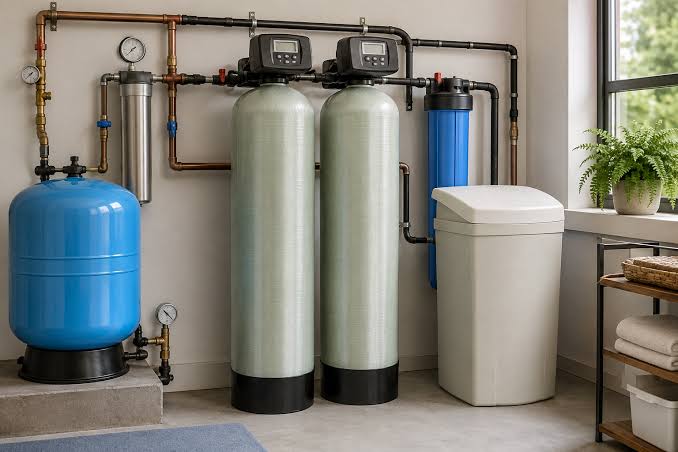
For homeowners exploring residential water softeners in tampa bay, understanding how hardness affects everyday household activities is a sensible first step toward finding lasting relief.
Water softening isn’t simply about improving the appearance of your bathroom fixtures. It can influence everything from laundry routines to appliance maintenance. And with the right equipment, managing hard water doesn’t have to be particularly complicated.
Why Hard Water Creates Problems Around the House
Hard water contains dissolved minerals, primarily calcium and magnesium. Although these minerals occur naturally, they can become troublesome when present in higher concentrations.
You’ve probably noticed white, chalky deposits around your showerhead or kitchen faucet. These deposits form as water evaporates, leaving minerals behind. Heating water can also encourage scale formation inside certain appliances.
Effective hard water treatment solutions address the underlying mineral concentrations instead of simply removing visible deposits after they’ve formed.
Conventional ion-exchange softeners work by exchanging calcium and magnesium ions for sodium or potassium ions.
Before choosing equipment, arrange a hardness test. Knowing the mineral concentration helps determine the appropriate system capacity and operating requirements for your household.
Making Laundry and Bathroom Routines More Comfortable
There’s something frustrating about washing towels only to find that they feel unusually stiff afterward. Hardness minerals can interfere with the performance of certain soaps and detergents, making ordinary cleaning tasks less efficient.
Using softened water may help improve soap lathering, reduce mineral residue, and make some household cleaning routines easier.
You might also notice fewer new chalky deposits around shower doors, sinks, and bathroom fixtures.
However, your existing cleaning habits may need a little adjustment. Using the same amount of detergent as before could be unnecessary once hardness levels have been reduced.
Start with the product manufacturer’s recommendations and adjust accordingly.
It’s a small change, but considering how frequently most families do laundry and clean their bathrooms, the difference can become quite meaningful over time.
Protecting Your Water Heater and Other Household Appliances
Replacing a water heater isn’t exactly anyone’s idea of an enjoyable home improvement project. Unfortunately, excessive mineral scale can contribute to maintenance problems inside water-heating equipment.
Scale deposits may interfere with heat transfer and affect equipment efficiency. Dishwashers and other water-using appliances can also experience hardness-related buildup.
Reducing incoming hardness helps limit the formation of new mineral deposits.
While a softener won’t automatically remove existing scale or repair damaged components, it can complement regular appliance maintenance.
For Tampa Bay homeowners who have recently renovated their kitchens or purchased new appliances, assessing water hardness is particularly worthwhile.
Looking after equipment before problems develop often makes more sense than dealing with unexpected repairs later.
Choosing a Water Softener That Fits Your Household
Buying a water softener involves more than selecting the largest model available. In fact, an unnecessarily oversized system might not represent the best value for your property.
Household size, measured hardness, daily water consumption, and peak demand all deserve consideration.
A busy family with several bathrooms and frequent laundry loads may require a different system capacity than a couple living in a smaller home.
Modern demand-initiated softeners can regenerate according to measured water usage rather than relying exclusively on fixed schedules.
This feature may help manage salt and water consumption when the equipment is correctly configured.
Ask about regeneration efficiency, operating pressure, warranty coverage, and servicing requirements before making a purchase.
Understanding the Difference Between Softening and Filtration
One common misunderstanding is that installing a water softener automatically addresses every water quality concern.
It doesn’t.
Conventional softening primarily reduces hardness minerals. It isn’t designed to remove every contaminant, eliminate harmful microorganisms, or address all unpleasant tastes and odors.
If your household experiences noticeable disinfectant flavors, suitable activated carbon filtration may be worth considering. Reverse osmosis can provide targeted drinking water treatment for certain dissolved substances.
Private well owners may require additional treatment depending on laboratory findings.
Combining complementary technologies can sometimes provide a more comprehensive approach to water quality management.
The important thing is understanding what each piece of equipment contributes rather than assuming one system can accomplish everything.
Keeping Your Water Softener Running Reliably
Fortunately, maintaining a residential water softener doesn’t need to consume much of your free time.
Check regenerating salt levels regularly, follow manufacturer servicing recommendations, and occasionally verify treated water hardness.
Pay attention to unexpected changes in water flow or the return of mineral deposits around fixtures.
Before installation, discuss equipment placement, drainage connections, and accessibility with a qualified professional.
Keeping maintenance straightforward from the beginning makes it easier to look after your system throughout its operating life.
A little preventive care can also help you identify performance concerns before they become more disruptive.
Enjoying the Everyday Benefits of Better Water in Tampa Bay
Living in Tampa Bay should mean spending more time enjoying everything the area has to offer and less time scrubbing stubborn mineral deposits from bathroom surfaces.
With reliable testing, appropriately sized equipment, and consistent maintenance, homeowners can address hardness problems in a practical, sustainable manner.
Perhaps you’ll appreciate clearer glassware, more manageable laundry routines, or fewer new deposits around your kitchen faucet.
These improvements might not transform your home overnight, but they’re the kind of everyday comforts that gradually make a difference.
After all, homeownership comes with enough responsibilities already. Finding a dependable way to manage hard water is one worthwhile step toward making your home a more comfortable, enjoyable place to live.
Related Posts