A Practical Guide to Drywall, Attic Care, and Doors for a More Comfortable Home
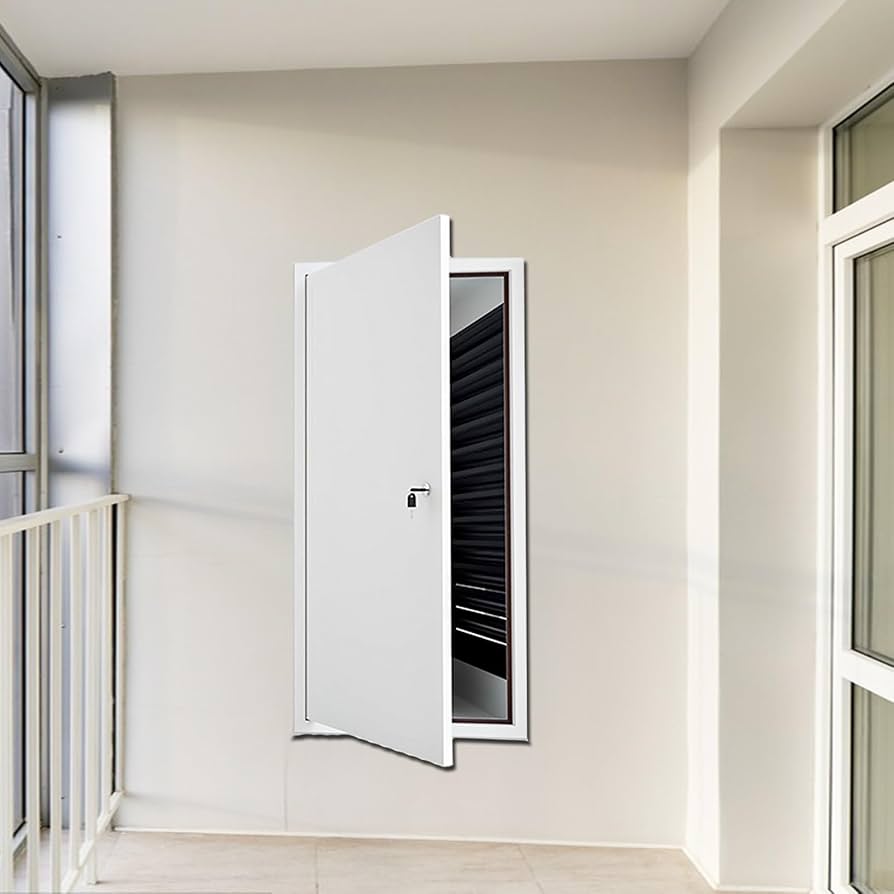
A comfortable home isn’t created by furniture and fresh paint alone. Much of what makes a house feel warm, quiet, and well maintained comes from the details people rarely notice at first. The condition of the walls, the space above the ceiling, and the way doors fit their frames can all influence how a home looks and performs over time.
These areas might not seem connected, but they often affect one another. Poor insulation can make rooms uncomfortable, damaged walls may indicate moisture problems, and poorly fitted doors can allow drafts to travel through the house. Taking care of these features is a practical way to protect your investment while making everyday living a little easier.
Why Interior Walls Deserve More Attention
Walls do more than divide rooms or provide a background for decorations. They help create a finished interior, support certain fixtures, and contribute to a building’s overall comfort. One of the most common materials used for interior wall construction is drywall, valued for its smooth finish, versatility, and relatively straightforward installation.
Despite its familiar appearance, drywall can develop problems. Small cracks may appear near windows, corners, and ceilings as a house settles or materials respond to seasonal temperature changes. Nail pops, dents, and peeling paint are also common, particularly in busy households.
Not every imperfection requires a major renovation. A small hole can often be repaired with suitable filler, sanding, and a fresh coat of paint. Larger cracks, however, deserve closer inspection, especially if they keep returning or appear alongside sticking doors and uneven floors. These symptoms may indicate movement that requires professional assessment.
Moisture is another concern. Yellowish stains, bubbling paint, soft patches, or a persistent musty smell can suggest a leak or condensation issue. Covering the affected area with new paint won’t solve the underlying problem. The source of the moisture needs to be identified and corrected before repairs begin.
Making the Most of the Space Above Your Ceiling
The area above a home’s ceiling is easy to overlook because it usually stays out of sight. Yet the attic can have a significant influence on indoor temperatures, energy consumption, and the long-term condition of the roof.
During hot weather, an inadequately insulated attic can allow heat to move into the rooms below. In winter, warm indoor air may escape through gaps in the ceiling, making heating systems work harder. Proper insulation and air sealing help reduce these problems, although the right approach depends on the home’s construction and local climate.
Ventilation matters, too. An attic needs an appropriate moisture-management strategy to help prevent condensation and protect roof materials. Simply adding insulation without checking ventilation and existing air leaks can sometimes create new problems rather than solve old ones.
Homeowners should look for warning signs during routine inspections. Damp insulation, water stains on roof sheathing, visible mold, and damaged roofing materials all deserve attention. Rodent activity and blocked vents can also affect the space.
Safety should come first when inspecting an attic. Floor joists may be covered by loose insulation, making it dangerous to step in the wrong place. Older homes can also contain materials that require specialist handling. If access is difficult or damage is extensive, arranging a professional inspection is usually the sensible choice.
Choosing Doors That Work as Well as They Look
Interior and exterior doors influence privacy, security, ventilation, and the appearance of a home. The right choice depends on where the door will be installed and how frequently it will be used.
Solid-core doors are often a good option for bedrooms, home offices, and other areas where sound reduction matters. Hollow-core designs can be suitable for spaces where affordability and lighter weight are priorities. Exterior doors need additional consideration because they must withstand weather exposure and provide reliable security.
Well-fitted doors should open and close without excessive force, scraping, or rattling. If a door suddenly begins sticking, the cause might be humidity, loose hinges, a misaligned latch, or movement in the surrounding frame. Tightening hardware or adjusting hinges may resolve a minor issue, but repeated changes can point to a larger underlying concern.
Weatherstripping is particularly useful around exterior doors. Worn seals allow outside air to enter and conditioned air to escape. Replacing damaged weatherstripping and adding a suitable door sweep can reduce drafts without requiring a complete replacement.
For households with children or older adults, accessibility is another consideration. Lever handles may be easier to operate than traditional round knobs, while wider openings can improve movement between rooms. These details are worth considering during renovations rather than treating them as afterthoughts.
How These Three Areas Affect Energy Efficiency
Energy efficiency isn’t always about installing expensive equipment. Sometimes, a few carefully chosen improvements can make a noticeable difference in daily comfort.
Consider a bedroom that remains hot during summer afternoons. The problem might involve insufficient attic insulation, air leakage around windows, or gaps around the door. Replacing the air conditioner without investigating these issues may leave the room uncomfortable while increasing energy costs.
A sensible inspection begins with identifying where air moves and where heat enters or escapes. Attic insulation levels, ceiling penetrations, exterior door seals, and visible wall damage are useful places to start. Professional energy assessments can help identify less obvious problems and prioritize improvements.
It’s important to avoid treating every draft as a ventilation problem. Homes need controlled ventilation to maintain indoor air quality. The goal is to reduce unwanted air leakage while preserving appropriate ventilation and moisture control.
Simple Maintenance Habits That Prevent Bigger Repairs
A little regular maintenance can help homeowners notice problems before they become expensive. A seasonal walkthrough is often enough to identify changes that deserve further investigation.
Check walls for new cracks, peeling finishes, and water stains. Inspect accessible attic areas for dampness, pest activity, and damaged insulation. Open and close frequently used doors to make sure their hinges, locks, and seals are working properly.
Keep a record of recurring issues. If the same wall develops a crack every few months or an exterior door repeatedly loses its alignment, photographs and dates can help a contractor understand the pattern. This is particularly useful when problems appear gradually.
Avoid attempting repairs beyond your experience. Electrical wiring, structural movement, extensive mold, roof leaks, and suspected hazardous building materials may require qualified professionals. Spending a little time on proper diagnosis can prevent unnecessary work later.
Planning Improvements Around Your Budget
Home improvements don’t always need to happen all at once. Start with problems that affect safety, water protection, or structural condition. Next, consider repairs that improve comfort and reduce energy waste. Cosmetic upgrades can usually follow when the more important issues have been addressed.
Obtain clear estimates before committing to larger projects. Ask contractors what materials they plan to use, whether preparation and cleanup are included, and how they will address any underlying damage. Comparing the scope of work is often more useful than choosing a quote based on price alone.
It also helps to think about how different projects fit together. If you’re repainting several rooms, repairing wall damage first may save time. If you’re upgrading insulation, checking ceiling penetrations and ventilation beforehand can produce better results.
A Home That Feels Better Starts With the Basics
A well-maintained home is usually the result of many small decisions rather than one dramatic renovation. Sound walls, a properly managed attic, and doors that fit and seal correctly all contribute to a space that feels comfortable, functions reliably, and holds its value.
The best approach is to pay attention to changes, investigate the causes of recurring problems, and prioritize repairs according to their importance. Whether you’re preparing a property for sale or simply making your current home more enjoyable, these basic building elements deserve regular care.
With thoughtful planning and timely maintenance, you can avoid preventable damage, improve everyday comfort, and create a home that serves your household well for years to come.