Why Better Water at Home Starts with Understanding What’s Coming Out of Your Tap
There’s something oddly comforting about turning on the kitchen faucet and expecting clean, fresh water every single time. Most of us don’t think much about it until something feels off. Maybe your coffee tastes a little different than usual. Maybe your shower leaves your skin feeling dry, or you’ve started noticing chalky stains around faucets that never seemed to disappear.
These little clues often point to a bigger story hiding in your plumbing. Water may look clear, but what it carries can have a surprising impact on your home, your appliances, and even your daily routine. Understanding your household water isn’t about becoming a chemistry expert—it’s simply about making informed choices that improve everyday life.
Every Home Has a Different Water Story
One of the biggest misconceptions is that all tap water is basically the same. In reality, water quality changes from one neighborhood to another, and sometimes even from one street to the next.
Municipal water systems work hard to meet safety standards, but that doesn’t automatically mean the water entering your home is ideal for every purpose. It may still contain minerals, chlorine, sediment, or naturally occurring substances that influence taste, smell, and performance.
Private well owners face a different challenge altogether. Since well water isn’t treated by a city facility, homeowners are generally responsible for monitoring and maintaining its quality. That’s why testing becomes such an important first step before deciding on any treatment option.
The Hidden Cost of hard water
Many homeowners don’t realize they’re dealing with mineral-heavy water until they start replacing appliances sooner than expected.
contains elevated levels of calcium and magnesium. These minerals aren’t usually harmful to drink, but they can quietly create problems throughout your home. Soap doesn’t lather as easily, white residue builds up on fixtures, dishes come out looking cloudy, and washing machines or water heaters often lose efficiency over time.
Think about your favorite coffee maker. If you’ve ever noticed stubborn scale forming inside it despite regular cleaning, mineral deposits are probably to blame. Now imagine that same buildup happening inside your plumbing system every day.
Those deposits gradually reduce water flow and make appliances work harder, increasing energy consumption and maintenance costs over the years.
Why Many Families Choose water softeners
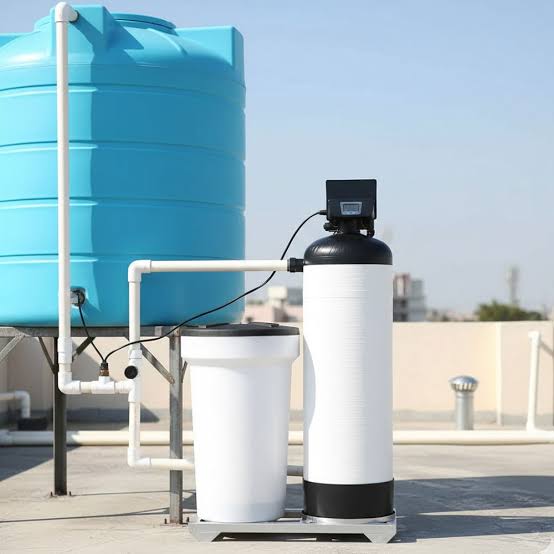
For homes dealing with excessive mineral content, water softeners often become one of the most practical long-term improvements.
Instead of masking symptoms, these systems help reduce the calcium and magnesium responsible for scale buildup. The difference isn’t always dramatic overnight, but after a few weeks many homeowners begin noticing softer laundry, cleaner dishes, smoother skin after showering, and less time spent scrubbing bathroom fixtures.
There’s another benefit people don’t always mention—household appliances generally appreciate softer water too. Water heaters, dishwashers, washing machines, and coffee makers often perform more efficiently when mineral buildup is minimized.
Of course, choosing the right size and type matters. A system that’s too small may struggle to keep up with household demand, while an oversized unit could waste water or salt unnecessarily. Professional testing helps remove the guesswork.
Clean Water Means More Than Just Soft Water
Minerals aren’t the only things that affect water quality.
Depending on your location, water may contain chlorine, sediment, iron, sulfur odors, organic compounds, or trace contaminants that influence taste and smell. Some families simply want drinking water that tastes better, while others are focused on protecting plumbing fixtures or reducing unwanted impurities.
That’s why many homeowners start by asking one simple question:
“What exactly is in my water?”
The answer often shapes the best solution rather than relying on assumptions or advertisements.
When a whole-home water filtration system Makes Sense
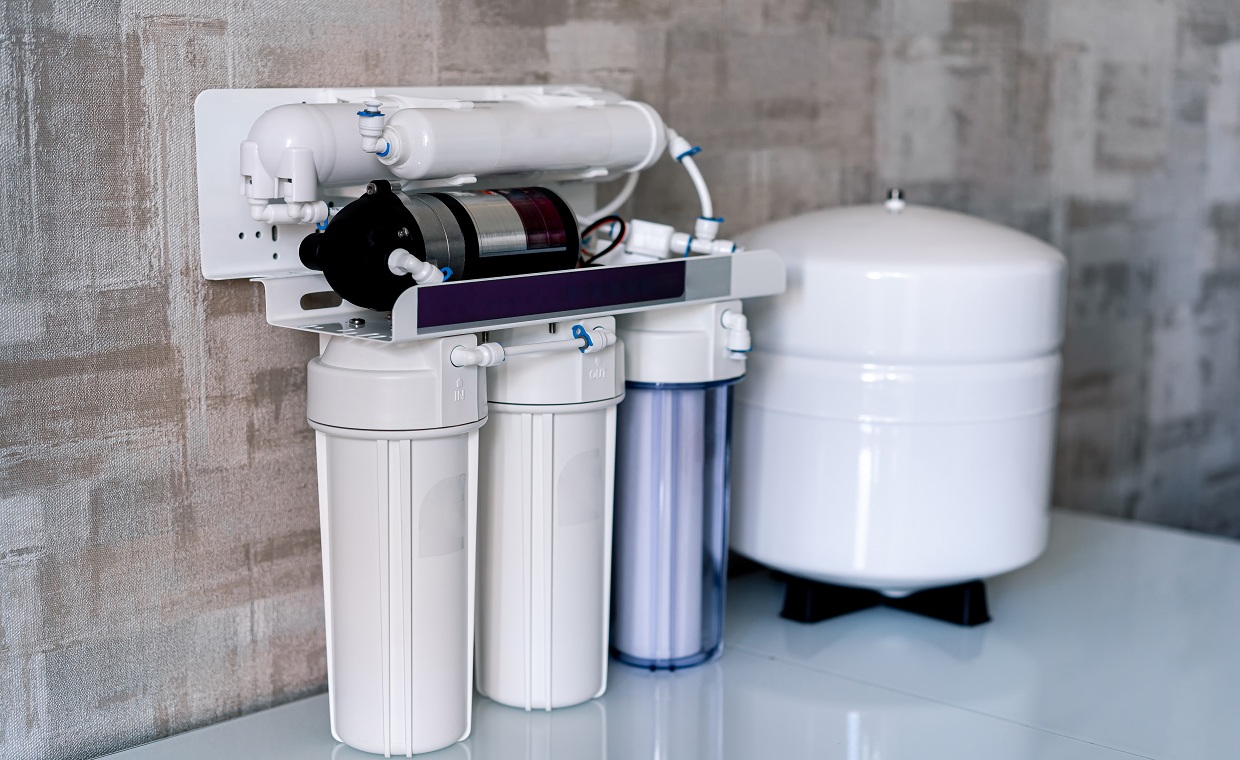
Sometimes the goal extends beyond softening minerals. In those situations, a whole-home water filtration system can provide broader protection by treating water before it reaches every faucet, shower, and appliance in the house.
Unlike small countertop filters that only improve drinking water at one location, whole-house systems work throughout the entire plumbing network.
This means cleaner water for cooking, bathing, laundry, dishwashing, and even outdoor faucets in some installations.
The exact filtration media depends on local water conditions. Some systems focus on sediment removal, while others reduce chlorine, unpleasant odors, iron, or additional contaminants. There’s rarely a universal solution because every home’s water profile is unique.
That’s actually good news. It means treatment can be customized instead of paying for features you don’t really need.
Small Improvements Add Up Over Time
People often expect water treatment to produce one dramatic “wow” moment.
In reality, the benefits tend to show up gradually through everyday experiences.
You notice towels staying softer after washing. Glass shower doors require less scrubbing. Soap rinses away more easily. Your morning tea tastes cleaner. Ice cubes become clearer. Even houseplants sometimes seem happier with improved water quality.
None of these changes alone may seem life-changing.
Together, though, they create a home that simply Hard water feels easier to maintain.
It’s a bit like replacing worn tires on your car. You don’t think about them every day afterward—but everything starts working the way it should.
Choosing Solutions That Actually Fit Your Home
Water treatment isn’t about buying the most expensive equipment available. It’s about solving the right problem.
A family with mineral-heavy well water has different needs than someone living in a city with noticeable chlorine taste. Likewise, a large household will require different system capacity than a small apartment.
That’s why water testing remains one of the smartest investments before making any purchase. Good data prevents unnecessary spending and ensures the chosen solution addresses real concerns rather than guessed ones.
Working with experienced professionals can also simplify maintenance schedules, installation requirements, and future upgrades if your family’s needs change.
Better Water Supports Everyday Living
At the end of the day, water isn’t just something that comes out of a tap. It’s part of nearly every moment at home—from brushing your teeth in the morning to washing dishes after dinner.
When your water works with your home instead of against it, countless little frustrations begin to disappear. Appliances last longer, cleaning becomes less of a chore, laundry feels fresher, and drinking water becomes something you genuinely enjoy instead of tolerating.
That’s why investing a little time in understanding your home’s water quality often pays off far beyond the plumbing itself. Better water quietly improves everyday routines, protects the things you rely on, and adds comfort in ways that are easy to appreciate once you’ve experienced the difference.