The Quiet Upgrade Your Home Didn’t Know It Needed: Rethinking Everyday Water
There’s something oddly overlooked about the water running through our homes. We drink it, cook with it, bathe in it—every single day—and yet most of us don’t stop to think about what’s actually flowing through those pipes. It’s one of those “out of sight, out of mind” things… until it isn’t.
Maybe you’ve noticed a faint metallic taste. Or your shower leaves your skin feeling just a bit too dry. Maybe your kettle builds up that stubborn white crust faster than you’d like. Small things, sure—but they add up. And they’re often signs that your water could be doing better.
Let’s talk about that. Not in a technical, overcomplicated way—but in a real, practical, lived-in kind of way.
Why Your Water Isn’t as Simple as It Looks
Water isn’t just H₂O when it reaches your home. By the time it travels through treatment plants, pipelines, and local infrastructure, it picks up minerals, chemicals, and sometimes contaminants that affect its quality.
Hard water, for instance, carries excess calcium and magnesium. That might sound harmless—and it mostly is—but over time, it can be rough on appliances, plumbing, and even your skin.
Then there’s chlorine, sediment, or trace impurities. Nothing dramatic. Just… enough to make a difference.
And that’s where things start getting interesting.
The Subtle Power of Water Softeners
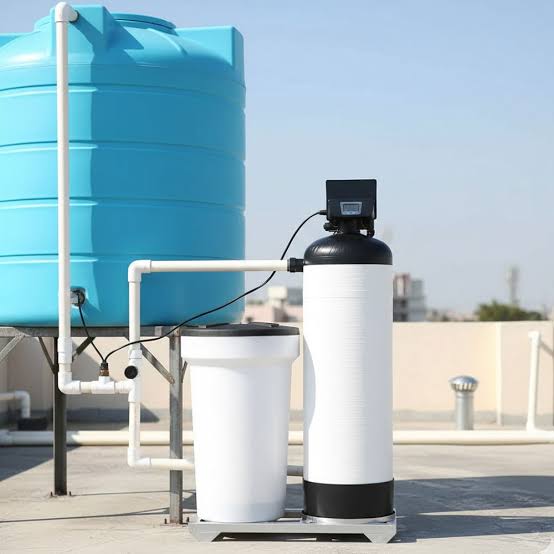
Let’s start with something people often hear about but don’t fully understand—water softeners.
They’re not flashy. No dramatic transformation overnight. But give it a few weeks, and you begin to notice. Soap lathers more easily. Towels feel softer. Your shower doesn’t leave that slightly tight feeling on your skin.
What’s happening behind the scenes is pretty straightforward: the system reduces hardness minerals, preventing that chalky buildup on fixtures and inside pipes. Over time, that means fewer maintenance headaches and longer-lasting appliances.
It’s one of those quiet upgrades. You don’t think about it every day—but you’d definitely notice if it were gone.
Looking Beyond the Tap: A Whole-Home Perspective
Now, here’s where many homeowners start connecting the dots. It’s not just about drinking water—it’s about every drop that flows through the house.
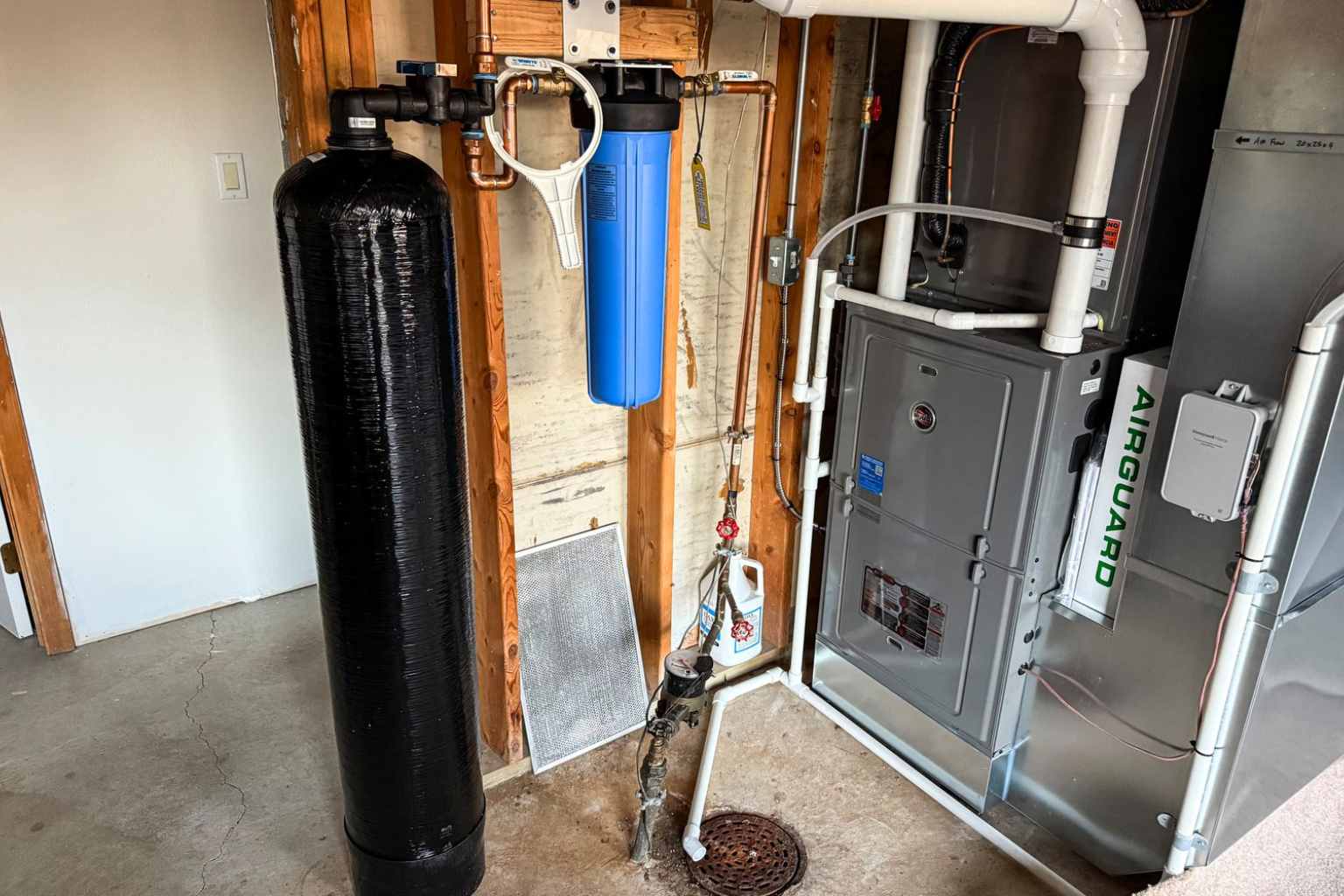
That’s where whole home water filtration steps in.
Instead of treating water at a single point (like your kitchen sink), this kind of system works at the entry point of your home. Every faucet, every shower, every appliance benefits from cleaner, filtered water.
Think about it: the water you bathe in matters just as much as the water you drink. Maybe even more, considering how often your skin comes into contact with it.
And once you experience that shift—cleaner water everywhere—it’s hard to go back.
That First Glass of Truly Clean Water
Let’s pause for a second and talk about drinking water. Because that’s where expectations are highest.
We all want water that tastes fresh. Not “fine.” Not “drinkable.” Actually good.
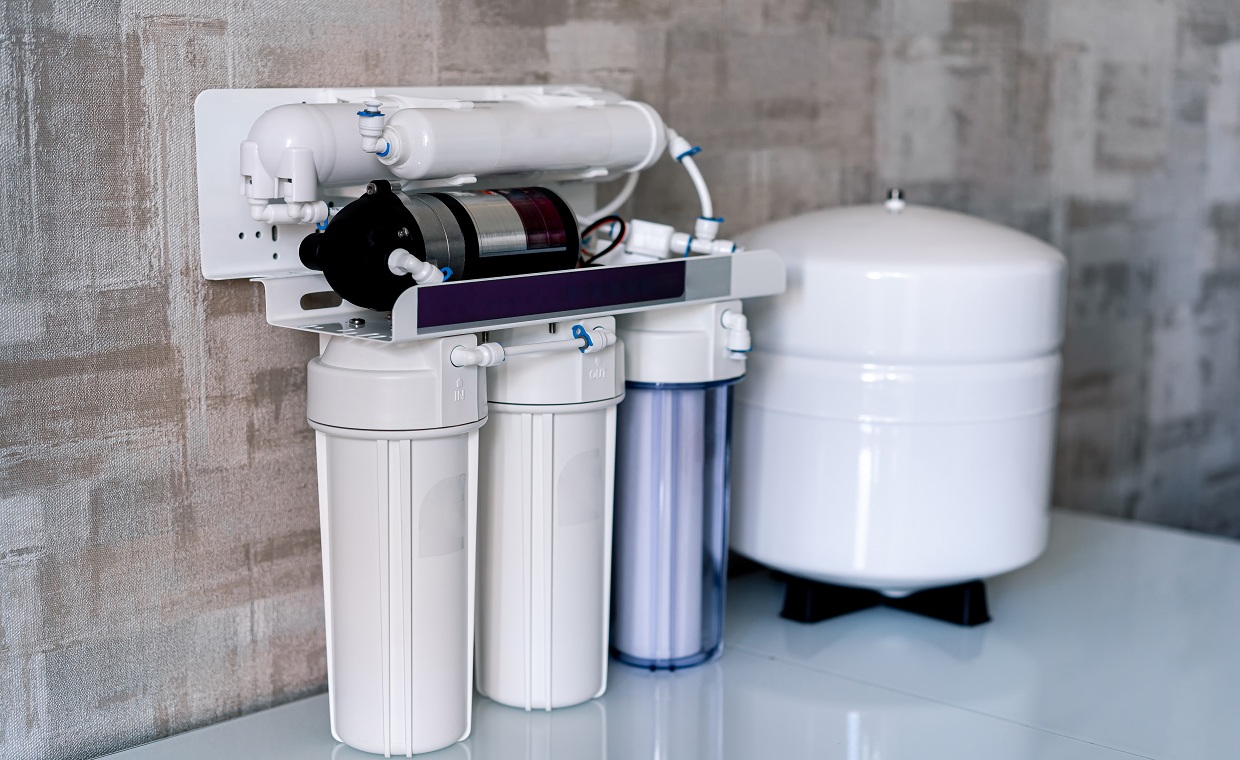
That’s where reverse osmosis systems come into play. They’re designed to remove a wide range of impurities—things you might not even realize are there—leaving you with water that’s crisp, clean, and honestly… kind of addictive.
People often say the difference is noticeable. And it is. Coffee tastes better. Tea feels smoother. Even plain water becomes something you enjoy, not just consume.
It’s a small daily pleasure, but one that adds up over time.
The Real-Life Benefits Nobody Talks About Enough
Here’s the thing—most conversations around water systems focus on technical specs. Filtration stages. Microns. Flow rates.
But in real life? It’s simpler than that.
It’s about fewer stains on your sinks. Less scale in your kettle. Softer laundry. Hair that feels easier to manage. Appliances that don’t wear out as quickly.
It’s about not second-guessing the water you drink.
And maybe, in a subtle way, it’s about peace of mind. Knowing that something so essential is being taken care of.
Is It Worth It? A Thoughtful Pause
Not every home needs the same setup. That’s important.
Some areas have relatively balanced water. Others deal with extreme hardness or specific contaminants. The right solution depends on what your water is like—not what your neighbor has installed.
A simple water test can reveal a lot. Sometimes more than you expect.
And once you know what you’re working with, the path forward becomes clearer. Maybe it’s a softener. Maybe a filtration system. Maybe both. Or maybe just a targeted solution for drinking water.
There’s no one-size-fits-all answer—and that’s okay.
A Quiet Shift Toward Better Living
At the end of the day, improving your home’s water isn’t about chasing perfection. It’s about making everyday life just a little better.
Smoother showers. Cleaner dishes. Better-tasting coffee. Less wear and tear on the things you rely on.
Nothing dramatic. No big announcement. Just… a quiet upgrade that works in the background, day after day.
And honestly, those are often the changes that matter the most.
Because when something as simple as water starts feeling right—really right—you begin to notice the difference in ways you didn’t expect.