Beyond the Garbage Bin: Why Reliable Waste Management Matters for Everyday Living
Most people don’t give much thought to what happens after they push their garbage bins to the curb. The waste disappears, the containers are emptied, and life carries on. It’s only when collection gets delayed or rubbish starts piling up that we realize how much we depend on dependable waste services.
For homeowners, business owners, and community managers, investing in full-service waste management offers a practical way to handle everyday garbage, recycling, bulky materials, and larger disposal projects through coordinated services.
But effective waste management involves more than simply making unwanted things disappear. It’s about maintaining organized surroundings, protecting public health, and making responsible decisions about the materials we discard.
With the right approach, dealing with waste can become considerably less stressful.
Understanding the Different Types of Waste We Generate
Take a moment to think about how much waste your household produces during an ordinary week. Between food packaging, kitchen scraps, delivery boxes, and discarded personal items, the volume can be surprising.
Businesses often generate considerably larger quantities, depending on their activities.
Restaurants deal with food waste and packaging. Retail stores frequently accumulate cardboard, while construction companies need appropriate arrangements for removing heavy materials and renovation debris.
Understanding your specific solid waste disposal needs makes it easier to choose suitable containers, collection schedules, and disposal methods without spending money on unnecessary services.
For example, a small office might manage perfectly well with weekly collection, whereas a busy restaurant could require more frequent pickups.
There’s no universal arrangement that works for everyone. The most practical solution reflects how much waste you produce and what types of materials you’re discarding.
Why Consistent Waste Collection Makes Such a Difference
Anyone who has experienced an overflowing garbage container during particularly warm weather understands how unpleasant neglected waste can become.
Accumulated rubbish may attract pests, produce unpleasant odors, and create sanitation concerns. For commercial properties, it can also leave customers with a disappointing first impression.
This is one reason waste management is essential for maintaining comfortable living spaces, organized workplaces, and cleaner public environments.
Dependable collection schedules help prevent unnecessary accumulation while making everyday planning easier.
Imagine operating a busy café where employees constantly struggle to find space for additional garbage bags. Instead of concentrating on customers, they’re dealing with a problem that could have been avoided through better collection arrangements.
Reliable service might seem like a minor operational detail, but its absence quickly becomes noticeable.
Making Large Cleanup Projects Less Overwhelming
There’s something satisfying about finally tackling a cluttered garage, renovating an outdated bathroom, or clearing out unused office furniture.
The trouble usually begins when you realize just how much unwanted material you’ve accumulated.
Ordinary household garbage containers aren’t designed to accommodate substantial amounts of construction debris or bulky waste. Temporary dumpster rentals can provide a more practical alternative for larger projects.
Having a designated container onsite helps keep unwanted materials organized while reducing repeated trips to disposal facilities.
Before arranging a rental, consider the expected waste volume, available placement space, and permitted materials.
Heavy debris such as concrete may require different arrangements from lightweight household clutter.
Ask about weight allowances, rental periods, and potential additional charges before confirming your booking.
A little planning can make the entire cleanup experience considerably smoother.
Recycling Begins With Better Everyday Decisions
Recycling often sounds straightforward until you’re standing beside the kitchen bin wondering whether a particular piece of packaging belongs there.
Different collection programs accept different materials, which makes understanding local requirements important.
Cardboard, aluminum cans, certain plastics, and glass may be suitable for recycling, depending on the available services.
However, contaminated materials and unsuitable items can create difficulties during sorting and processing.
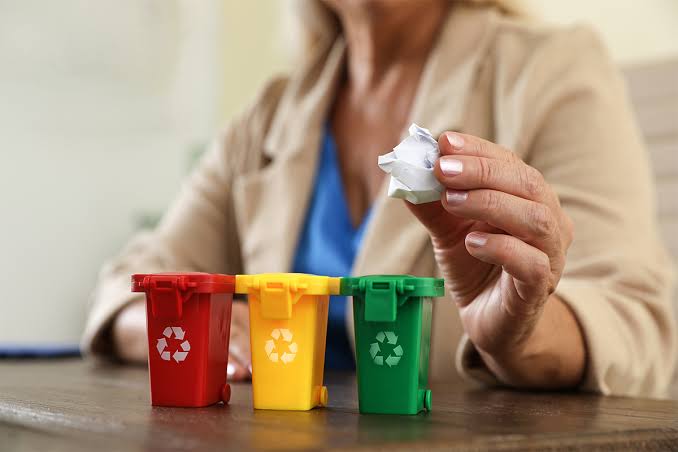
Businesses can benefit from clearly labeled recycling containers placed in convenient locations. Employees are more likely to participate when separating materials doesn’t require unnecessary effort.
At home, a simple arrangement for separating accepted recyclables from general garbage can make responsible disposal feel more natural.
It’s also worth remembering that reducing unnecessary purchases and reusing suitable items can prevent waste from being created in the first place.
Handling Special Waste Responsibly
Not everything belongs in an ordinary garbage container.
Batteries, paint, chemicals, electronic devices, and certain automotive products may require specialized collection or disposal arrangements.
Throwing unsuitable materials into regular waste containers can create safety concerns for collection workers and potentially harm the environment.
Before discarding unfamiliar materials, check with your waste service provider or local disposal authority.
This is particularly important during renovations, estate cleanouts, and commercial property improvements, when unusual materials often turn up unexpectedly.
Responsible disposal occasionally requires a little additional effort, but it’s considerably better than creating avoidable environmental or safety problems.
Choosing a Waste Service That Fits Your Requirements
Price matters when selecting a waste management provider, but it shouldn’t be the only consideration.
Collection reliability, container availability, transparent pricing, accepted materials, and responsive customer support all deserve attention.
Businesses should also consider whether collection arrangements can accommodate seasonal changes or future expansion.
Ask questions about missed pickups, additional collection requests, and charges associated with exceeding container limits.
A dependable provider should make these details easy to understand.
After all, waste collection is supposed to simplify your responsibilities, not introduce another source of frustration.
Cleaner Surroundings Begin With Consistent Waste Management
Effective waste disposal contributes to something larger than an empty garbage bin. It supports more comfortable neighborhoods, organized businesses, and responsibly managed communities.
By selecting appropriate collection services, separating recyclable materials, and disposing of special waste correctly, individuals and businesses can make meaningful improvements.
Nobody needs to become an environmental expert to manage waste more responsibly.
Sometimes, it simply comes down to making better everyday choices and working with dependable service providers.
When waste management works properly, we barely notice it. And perhaps that’s the greatest sign of a service that’s doing exactly what it should.